
Plant
Silver Buffaloberry
Shepherdia argenteaAlso known as Bull Berry, Thorny Buffaloberry
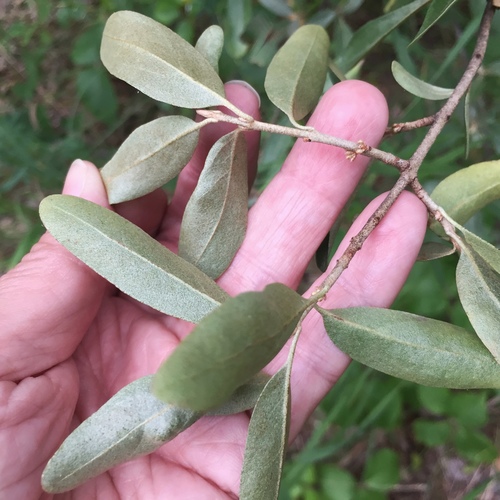
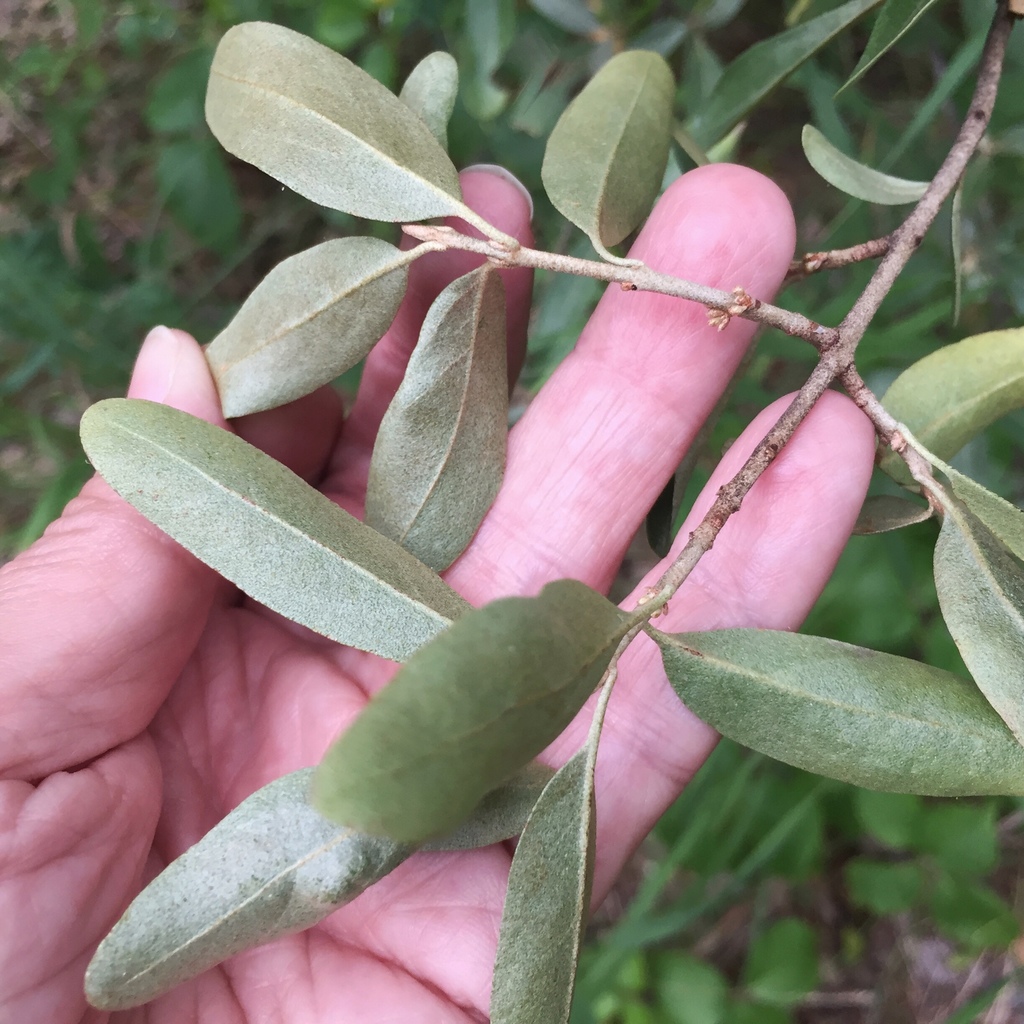
Silver buffaloberry forms dense, thorny thickets along riverbanks, coulees, and windswept western plains. Its narrow leaves feature a shimmering silver coating of tiny star-shaped scales that reflect sunlight and conserve moisture in arid climates. Microscopic bacteria in its root nodules fix atmospheric nitrogen, allowing this hardy shrub to enrich poor soils while providing critical shelter for wildlife.
DeciduousThornyRiparian
—observations
—countries
—peak records
Least ConcernConservation statusIUCN Red List categoriesLCNTVUENCREWEXLeast ConcernRed List categories, explained →
Diet & preySunlight, Water, Soil Nutrients
Predators
- Mule Deer
- Elk
- Sharp-tailed Grouse
ThreatsHabitat destruction, invasive species competition, and overgrazing
HabitatsRiparian zones, coulees, floodplains, and prairie slopes
Life span30–50 years
Classification
- OrderRosales
- FamilyElaeagnaceae
- GenusShepherdia
- SpeciesShepherdia argentea
Range data is not available yet.
Interaction riskLow
- Low
- Moderate
- High
- Very high
- Why interaction risk is low
- Wild berries have toxic look-alikes; never eat based on app identification alone.
Responsible observation
- Thorn Awareness: Mind the sharp, terminal branch spines when navigating near dense stands.
- Spring Bloom: Look for inconspicuous yellow flowers opening before leaves emerge in early spring.
- Wildlife Viewing: Scan thickets during winter as birds often seek shelter in the dense branches.
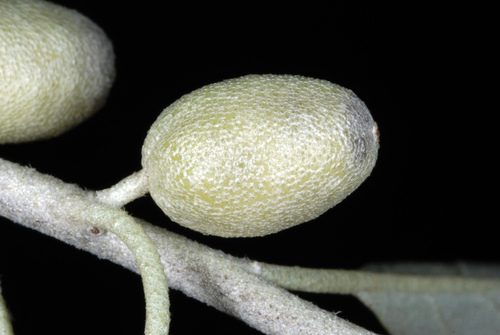
Invasive Competitor (c) Douglas Goldman, some rights reserved (CC BY-SA), uploaded by Douglas Goldman · cc-by-sa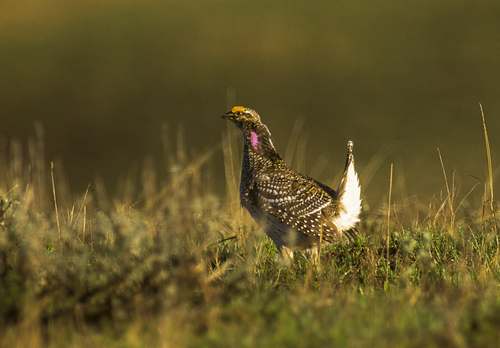
Avian Forager (c) Francesco Veronesi, some rights reserved (CC BY-SA) · cc-by-sa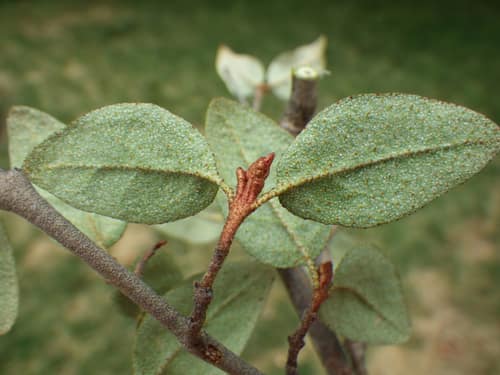
Close Relative (c) Matt Lavin, some rights reserved (CC BY-SA) · cc-by-sa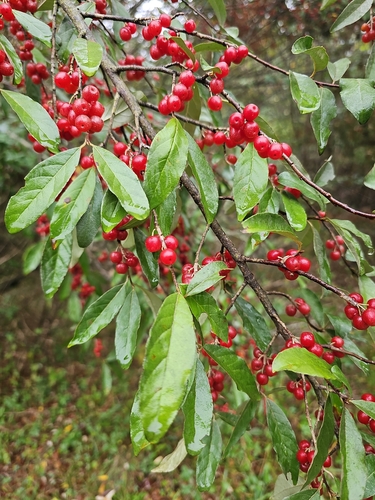
Family Member no rights reserved, uploaded by Shawn · cc0
Help improve the field guideSomething wrong?
Checking your Fauna account…Report a name, category, or profile issue for review.