
Plant · GBIF taxon 5372406
California Wild Grape
Vitis californicaAlso known as Northern California Grape, Pacific Grape
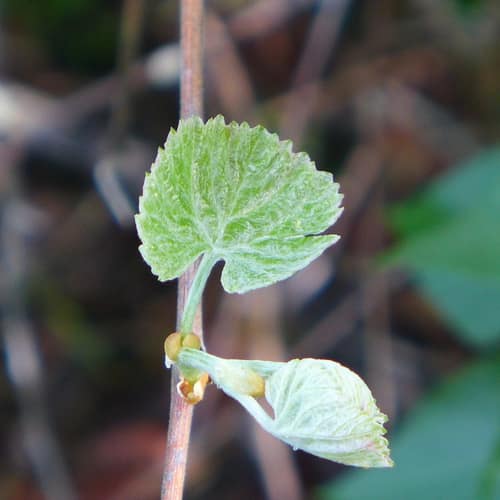
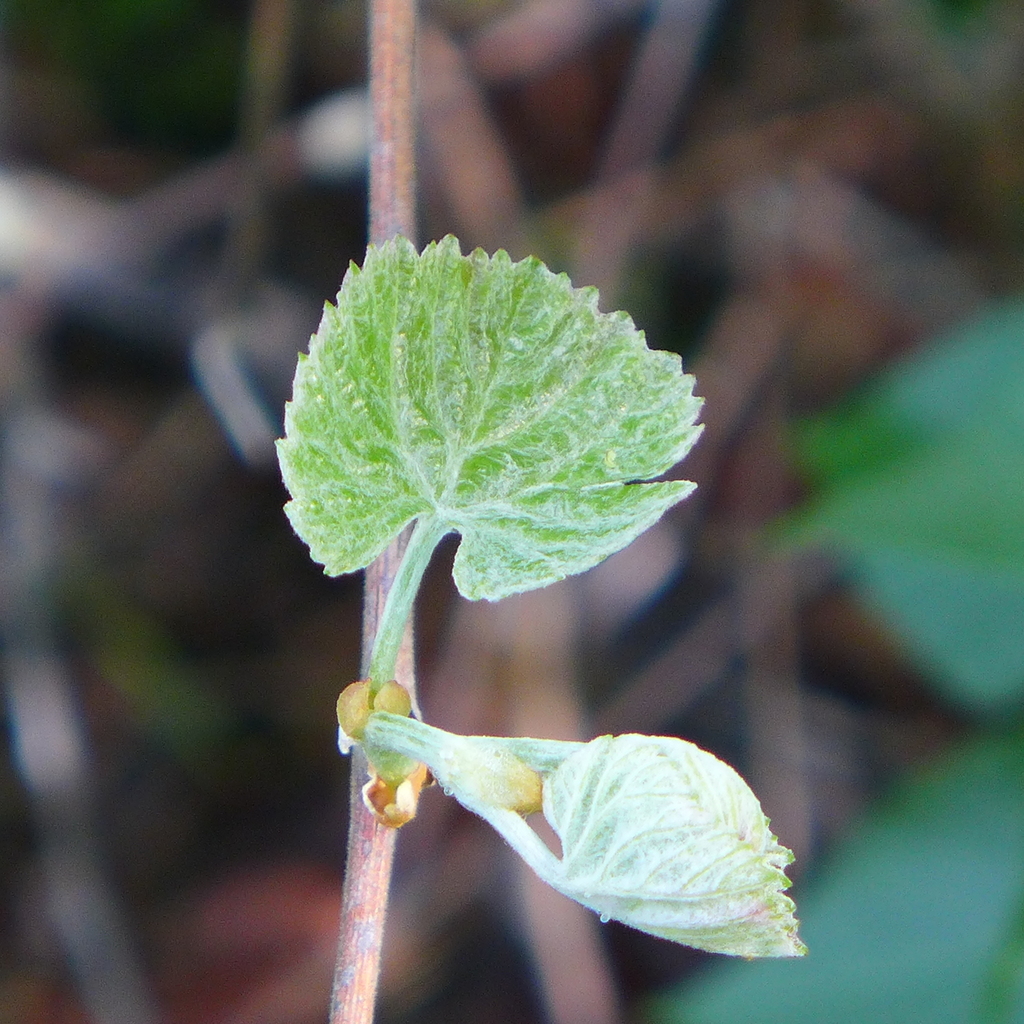
California wild grape scrambles up riparian trees and across canyon bottoms, blanketing willows and cottonwoods in lush curtains of round, cordate foliage. Small greenish flowers bloom in late spring, giving rise to tight hanging clusters of powdery purple-black berries that ripen by autumn. The broad deciduous leaves turn fiery shades of crimson, orange, and gold before dropping for winter, leaving tough woody tendrils clinging firmly to the woodland canopy.
ClimbingDeciduousRiparian
 1 / 7
1 / 7—observations
—countries
—peak records
Least ConcernConservation statusIUCN Red List categoriesLCNTVUENCREWEXLeast ConcernRed List categories, explained →
Diet & prey
- Photosynthesis (sunlight, water, soil nutrients)
Predators
- American Robin
- Cedar Waxwing
- Mule Deer
ThreatsHabitat loss from riparian development, stream diversion, and hybridisation with cultivated wine grapes
HabitatsRiparian woodlands, canyon bottoms, stream banks, and oak woodlands
Life span50 to 100+ years
Size / weightNot available
Classification
- OrderVitales
- FamilyVitaceae
- GenusVitis
- SpeciesVitis californica
Range data is not available yet.
Interaction riskLow
- Low
- Moderate
- High
- Very high
- Why interaction risk is low
- Wild berries have toxic look-alikes; never eat based on app identification alone.
Responsible observation
- Watch for Poison Oak: Grape vines often entangle with toxicodendron, so scan adjacent leaves before brushing through underbrush.
- Birdwatching Focal Point: Stand quietly near fruiting autumn vines to spot flocks of thrushes, waxwings, and band-tailed pigeons feeding.
- Garden Use: Plant in native hedgerows or over sturdy arbors to provide wildlife habitat and seasonal shade.
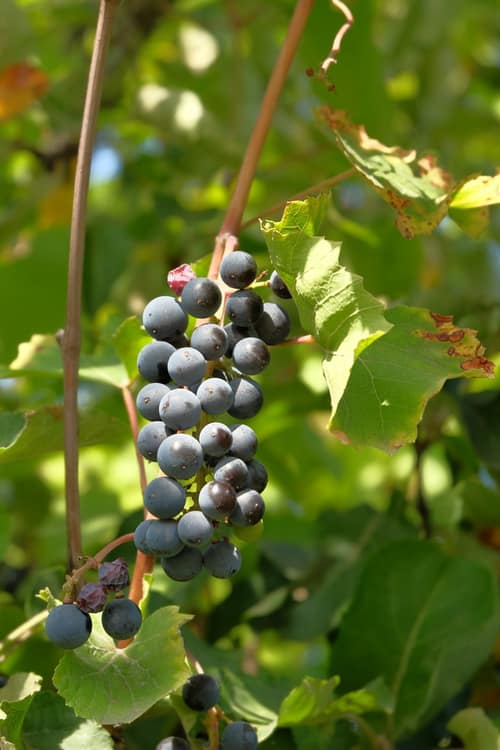
Same Genus (c) Andrey Polstianoi, some rights reserved (CC BY), uploaded by Andrey Polstianoi · cc-by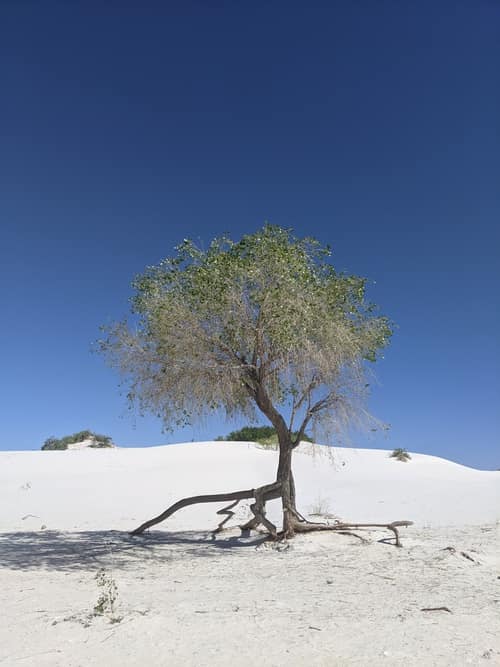
Host Plant (c) Daniel Z, some rights reserved (CC BY) · cc-by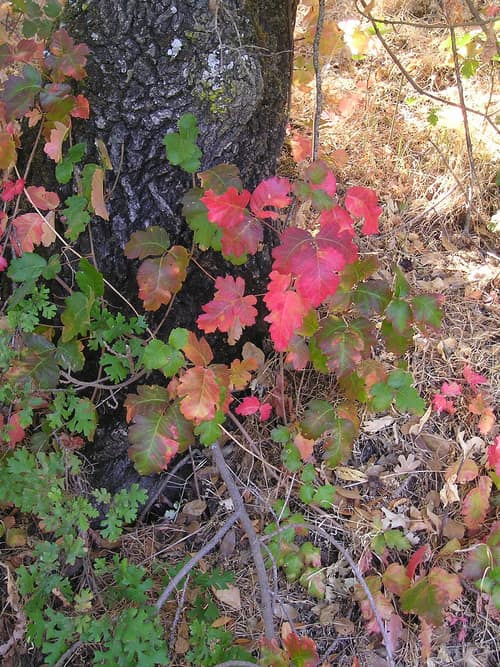
Frequent Companion Elf (talk · contribs) / CC BY-SA 3.0 · cc-by-sa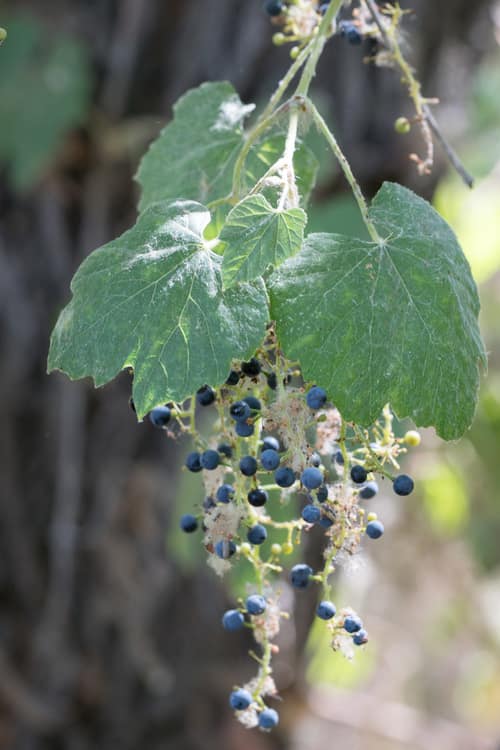
Close Relative no rights reserved, uploaded by Jesse Rorabaugh · cc0
Help improve the field guideSomething wrong?
Checking your Fauna account…Report a name, category, or profile issue for review.