
Plant · GBIF taxon 5372392
Wine Grape
Vitis viniferaAlso known as Common Grape Vine, European Grapevine, Eurasian Grape
Wine grapes grow as vigorous climbing vines, clinging to supports with coiled tendrils and producing deeply lobed leaves that turn brilliant yellow and red in autumn. Clusters of tiny green flowers bloom in early summer, relying on wind or insects for pollination before developing into tight bunches of round berries. Birds, small mammals, and insects feast on the fruits, dispersing seeds across temperate landscapes.
ClimbingDeciduousFruiting
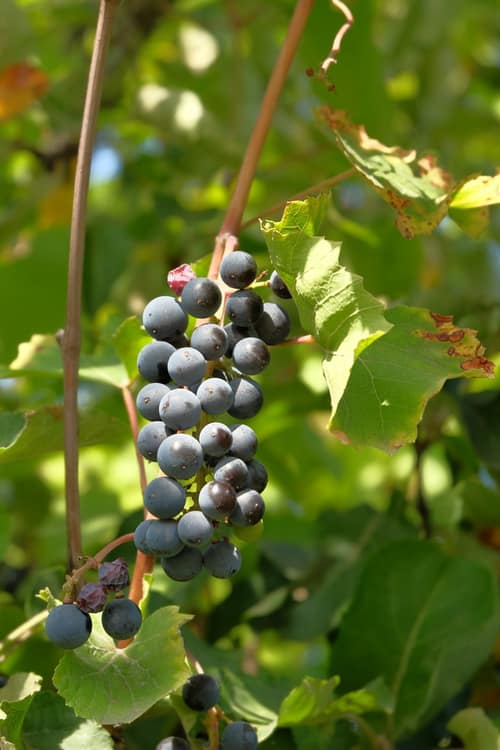
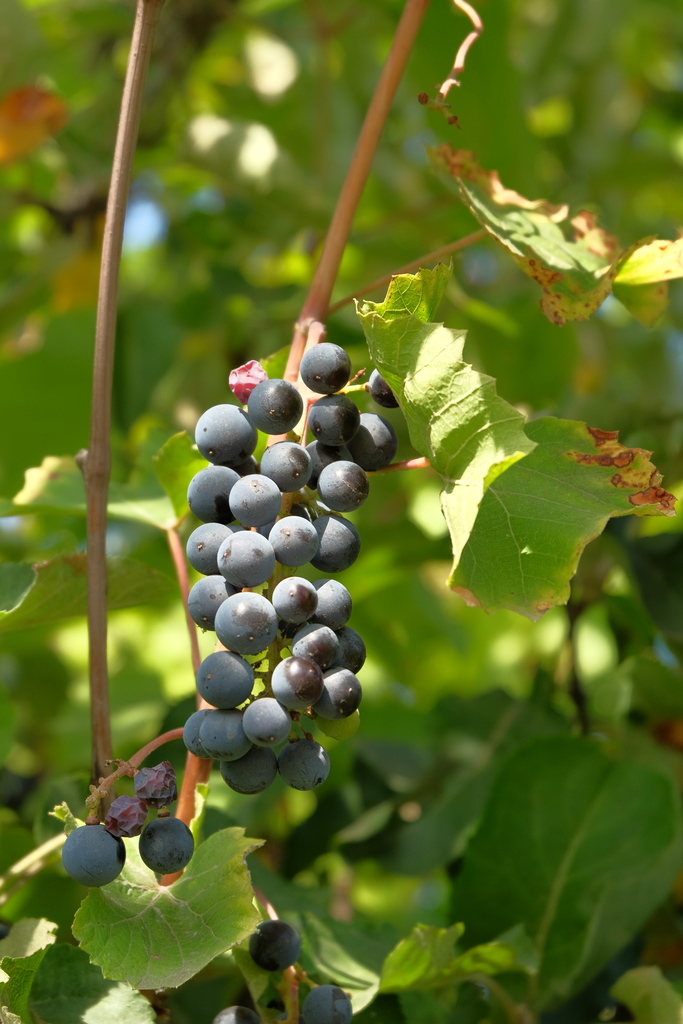 1 / 7
1 / 7—observations
—countries
—peak records
Least ConcernConservation statusIUCN Red List categoriesLCNTVUENCREWEXLeast ConcernRed List categories, explained →
Diet & prey
- Sunlight
- Water
- Soil Nutrients
Predators
- Birds
- Deer
- Grape Phylloxera
ThreatsFungal pathogens, insect pests, extreme droughts, climate change
HabitatsTemperate woodlands, Mediterranean scrub, riverbanks, cultivated vineyards
Life span50–100+ years
Classification
- OrderVitales
- FamilyVitaceae
- GenusVitis
- SpeciesVitis vinifera
Range data is not available yet.
Interaction riskHigh
- Low
- Moderate
- High
- Very high
- Why interaction risk is high
- Highly toxic to dogs and cats if ingested; wild vines also have dangerous look-alikes like moonseed.
- Why it is dangerous
- Fruit contains toxic compounds that cause severe kidney failure in dogs and cats when ingested.
- How to recognize a risky encounter
- Woody climbing vine with broad, palmately lobed leaves, branched tendrils, and tight clusters of green or dark purple berries.
- What to do
- Keep all berries and vine debris completely out of reach of household pets.
Responsible observation
- Observe Vine Tendrils: Look for coiled tendrils growing opposite leaf bases that help the vine climb structures.
- Check Leaf Margins: Identify leaves by their broad palmate shape with serrated edges and distinct veining.
- Keep Away From Pets: Prevent dogs and cats from accessing fallen or growing fruit due to severe toxicity risks.
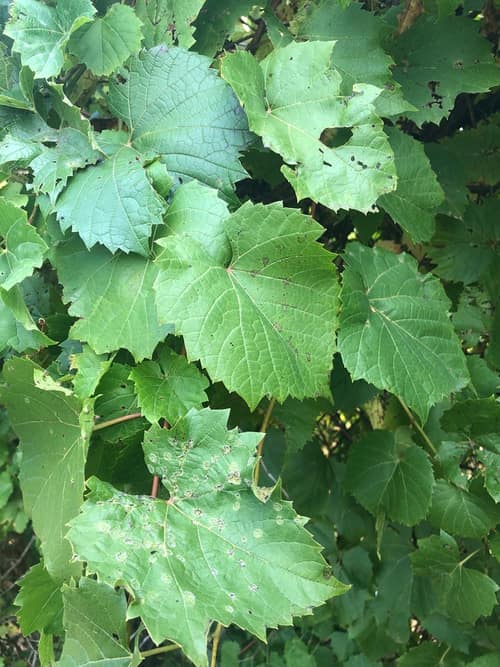
Rootstock Source (c) miquelon, some rights reserved (CC BY), uploaded by miquelon · cc-by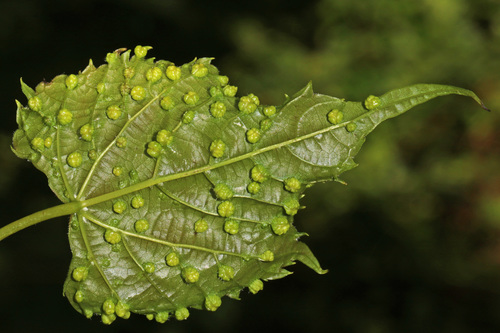
Insect Pest (c) Judy Gallagher, some rights reserved (CC BY-SA), uploaded by Judy Gallagher · cc-by-sa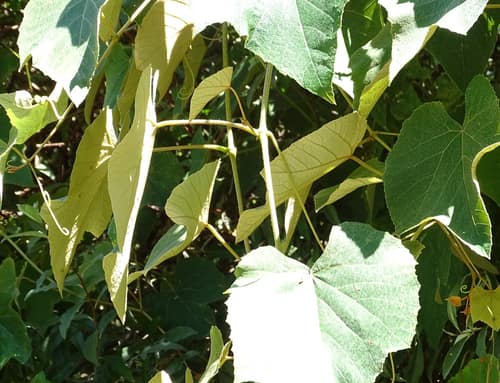
Close Relative (c) Sandra Keller, some rights reserved (CC BY), uploaded by Sandra Keller · cc-by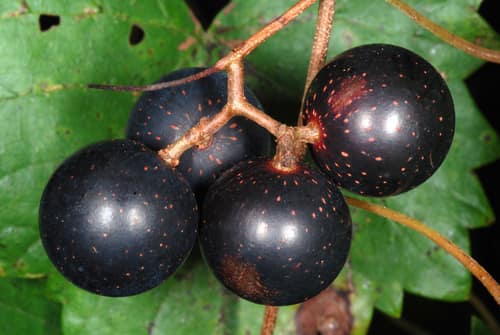
Close Relative (c) Douglas Goldman, some rights reserved (CC BY-SA), uploaded by Douglas Goldman · cc-by-sa
Help improve the field guideSomething wrong?
Checking your Fauna account…Report a name, category, or profile issue for review.