
Plant · GBIF taxon 5371740
Northern Spicebush
Lindera benzoinAlso known as Spicebush, Wild Allspice, Benjamin Bush, Common Spicebush
Northern spicebush fills the forest understory with dense clusters of tiny, fragrant yellow flowers in early spring before its leaves emerge. The smooth foliage and young twigs emit a rich citrus and spice aroma when crushed, serving as a primary host plant for spicebush swallowtail caterpillars. In late summer, female plants mature bright scarlet berries that provide a nutrient-rich energy source for migrating songbirds.
AromaticDeciduousNative Plant
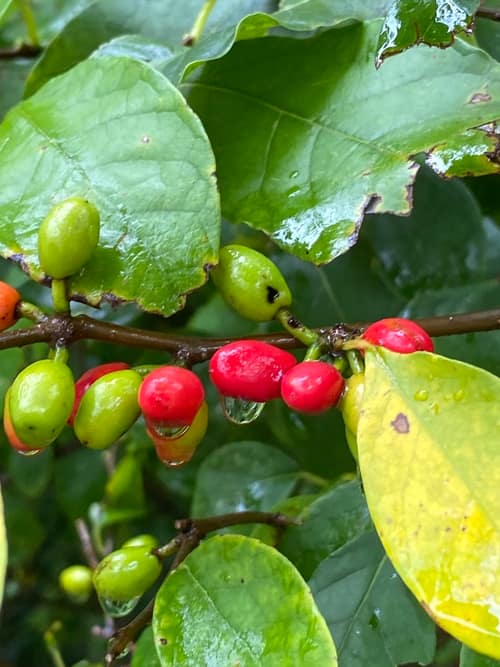
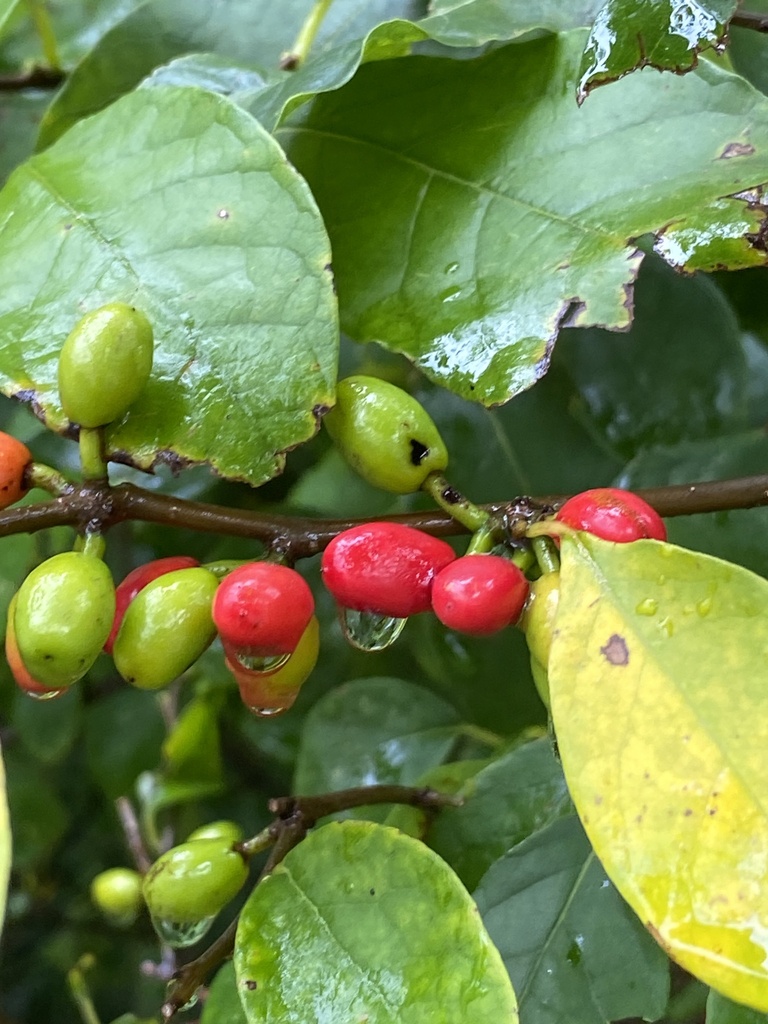 1 / 6
1 / 6—observations
—countries
—peak records
Least ConcernConservation statusIUCN Red List categoriesLCNTVUENCREWEXLeast ConcernRed List categories, explained →
Diet & prey
- Autotrophic (Photosynthesis)
Predators
- White-tailed Deer
- Spicebush Swallowtail Caterpillars
- Frugivorous Birds
ThreatsHabitat fragmentation, invasive species competition, excessive deer browsing
HabitatsMoist hardwood forests, rich bottomlands, stream banks, wetland margins
Life span20–50 years
Size / weightNot available
Classification
- OrderLaurales
- FamilyLauraceae
- GenusLindera
- SpeciesLindera benzoin
Range data is not available yet.
Interaction riskLow
- Low
- Moderate
- High
- Very high
- Why interaction risk is low
- Wild berries have toxic look-alikes; never eat wild fruit based on app identification alone.
Responsible observation
- Scratch and Sniff: Gently rub a green twig or leaf to release the signature citrus-spice aroma.
- Look for Caterpillars: Search folded leaf tents during summer for green spicebush swallowtail larvae.
- Plant in Pairs: Keep both male and female plants nearby to ensure female shrubs produce scarlet autumn fruit.
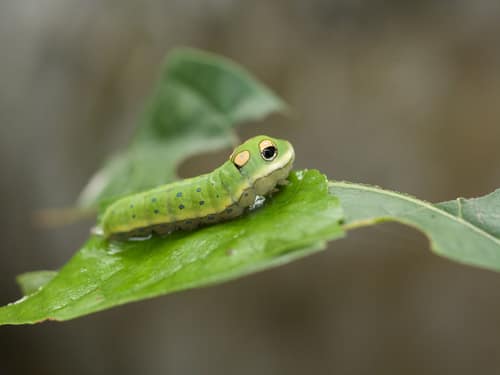
Host Plant "spicebush swallowtail caterpillar" by USFWS Headquarters is licensed under CC BY 2.0. To view a copy of this license, visit https://creativecommons.org/licenses/by/2.0/. · cc-by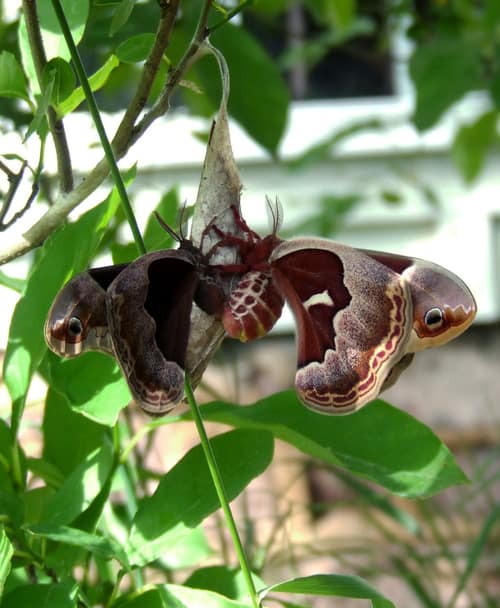
Host Plant (c) Dave Bonta, some rights reserved (CC BY-SA) · cc-by-sa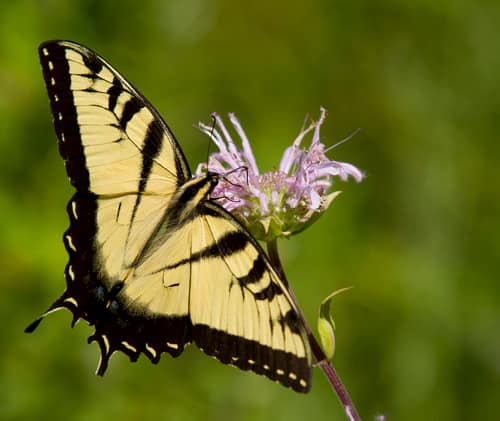
Frequent Visitor "Eastern Tiger Swallowtail" by ShenandoahNPS is marked with Public Domain Mark 1.0. To view the terms, visit https://creativecommons.org/publicdomain/mark/1.0/. · cc0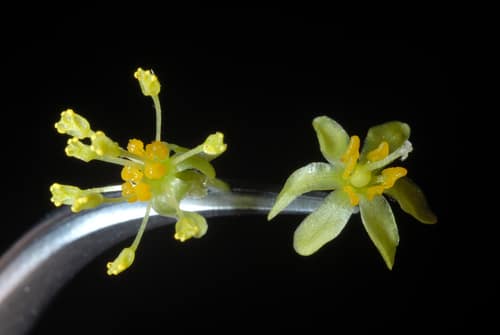
Close Relative (c) Douglas Goldman, some rights reserved (CC BY-SA), uploaded by Douglas Goldman · cc-by-sa
Help improve the field guideSomething wrong?
Checking your Fauna account…Report a name, category, or profile issue for review.