
Plant · GBIF taxon 5371705
White Baneberry
Actaea pachypodaAlso known as Doll's Eyes, White Cohosh, Necklace Weed
White baneberry is a native woodland perennial famed for its eerie, button-like porcelain berries that feature a dark central pupil spot on thickened magenta stalks. Appearing in late summer after feathery clusters of white spring blossoms, these striking seed heads attract specialized seed dispersers capable of passing the toxic fruits unharmed. Deeply cut compound leaves form a bushy mound that flourishes in the dappled shade of mature deciduous forests.
ToxicWoodlandWildflower
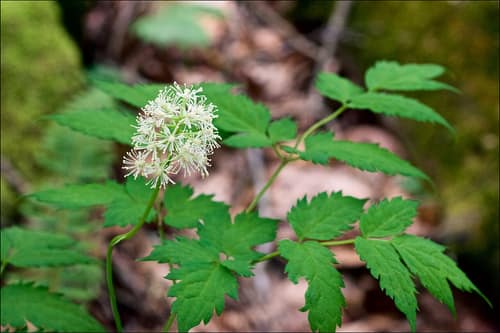
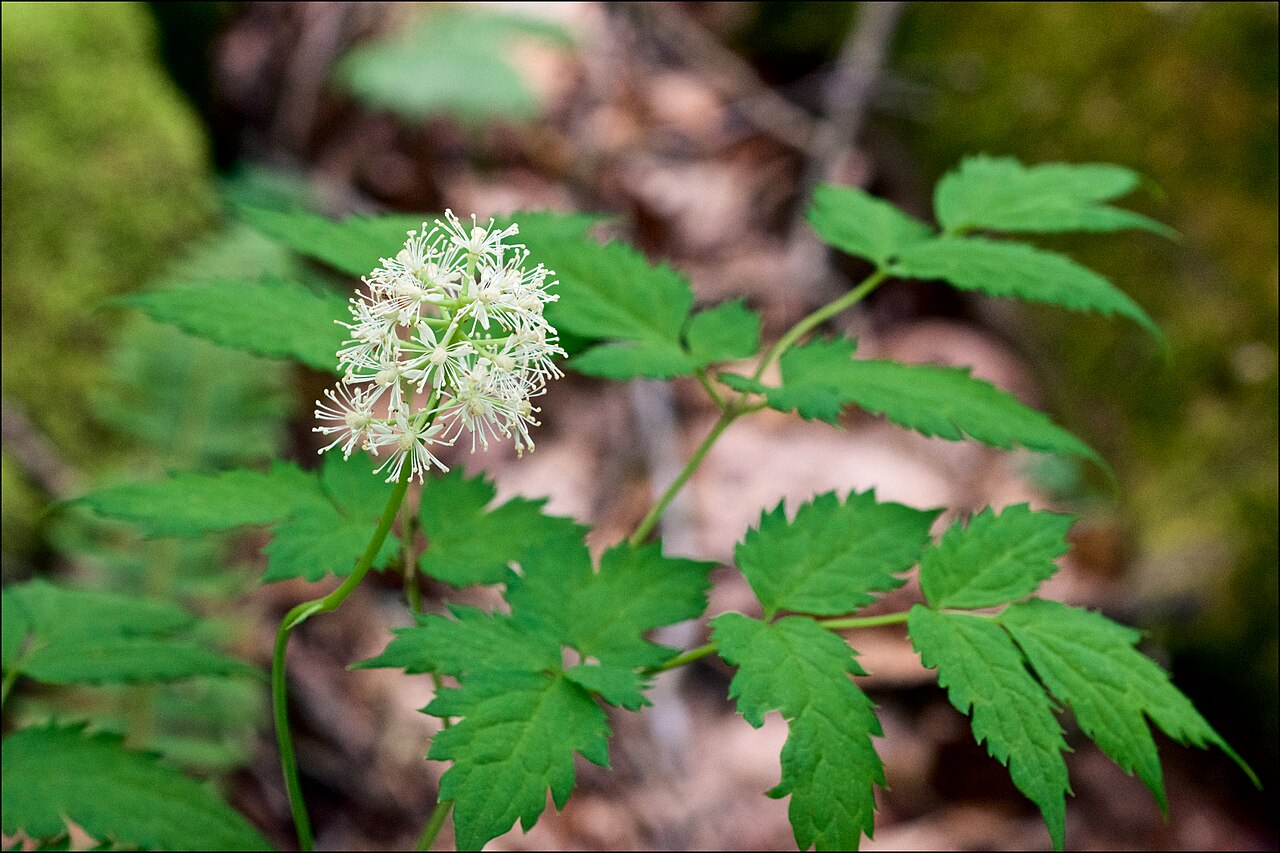
—observations
—countries
—peak records
Least ConcernConservation statusIUCN Red List categoriesLCNTVUENCREWEXLeast ConcernRed List categories, explained →
Diet & prey
- Autotrophic (Photosynthetic)
Predators
- White-tailed Deer
ThreatsHabitat fragmentation, invasive plant competition, overbrowsing by deer
HabitatsRich deciduous forests, moist shaded woods, ravines
Life spanPerennial (decades via underground rhizome)
Size / weightNot available
Classification
- OrderRanunculales
- FamilyRanunculaceae
- GenusActaea
- SpeciesActaea pachypoda
Range data is not available yet.
Interaction riskHigh
- Low
- Moderate
- High
- Very high
- Why interaction risk is high
- All parts are highly poisonous if ingested; wild berries have toxic look-alikes, so never ingest wild plants.
- Why it is dangerous
- Contains cardiogenic toxins and protoanemonin that cause severe gastrointestinal distress, cardiac sedation, and potential heart failure if ingested.
- How to recognize a risky encounter
- Look for porcelain-white berries with a prominent black central dot mounted on thick, vibrant magenta-red stalks.
- What to do
- Observe without picking or handling any portion of the plant, and keep children and pets away.
Responsible observation
- Late Summer Identification: Look for the distinctive white berries with dark center spots on thick red stalks in August and September.
- Respect Toxicity: Enjoy watching from a safe distance without touching or harvesting any part of the plant.
- Habitat Clues: Search shady, undisturbed hardwood forests with rich, moist organic soil.
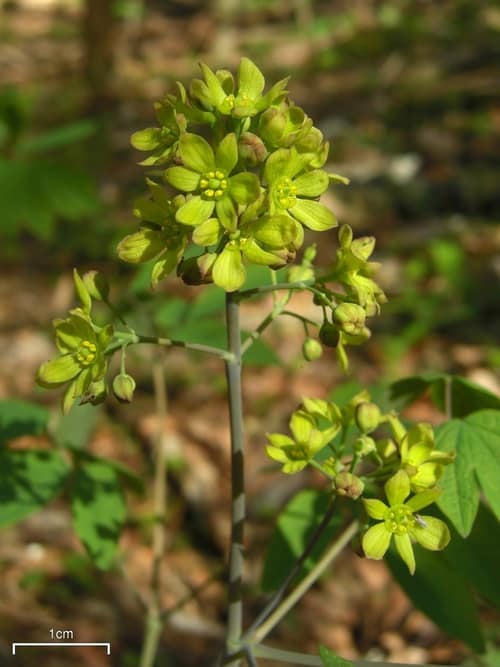
Frequent Companion (c) Jason Hollinger, some rights reserved (CC BY) · cc-by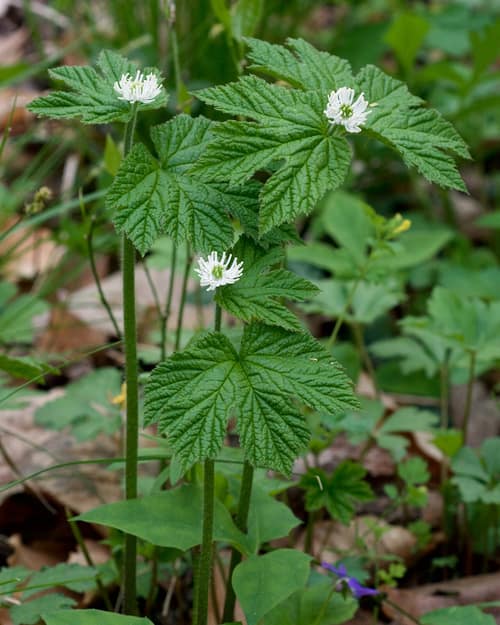
Forest Companion Eric Hunt / CC BY-SA 4.0 · cc-by-sa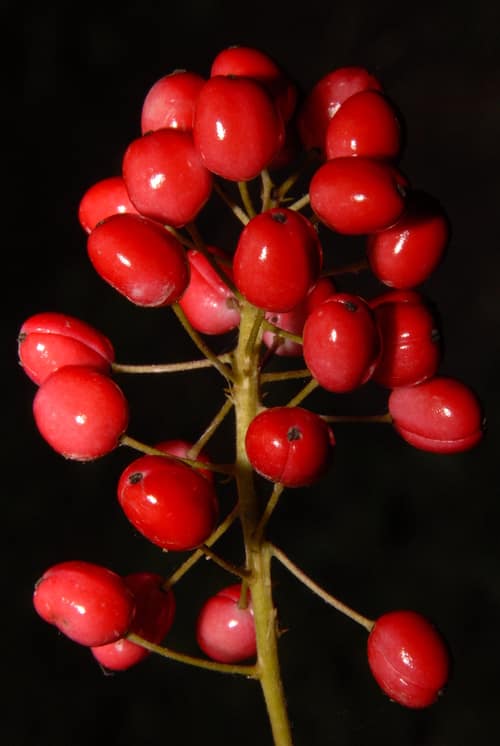
Close Relative (c) Brian Finzel, some rights reserved (CC BY-SA), uploaded by Brian Finzel · cc-by-sa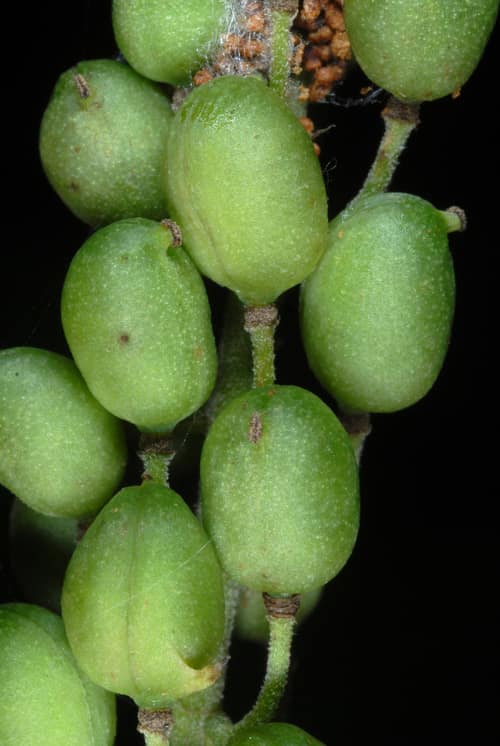
Close Relative (c) Douglas Goldman, some rights reserved (CC BY-SA), uploaded by Douglas Goldman · cc-by-sa
Help improve the field guideSomething wrong?
Checking your Fauna account…Report a name, category, or profile issue for review.