Also known as Chinaberry, Red Cohosh, Western Red Baneberry
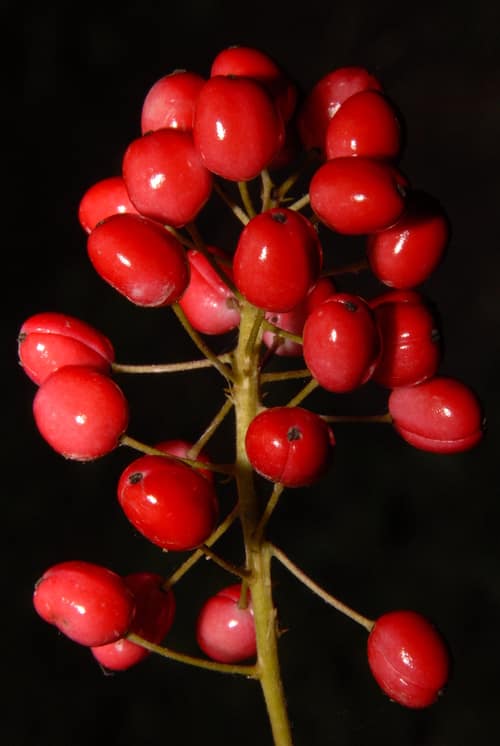
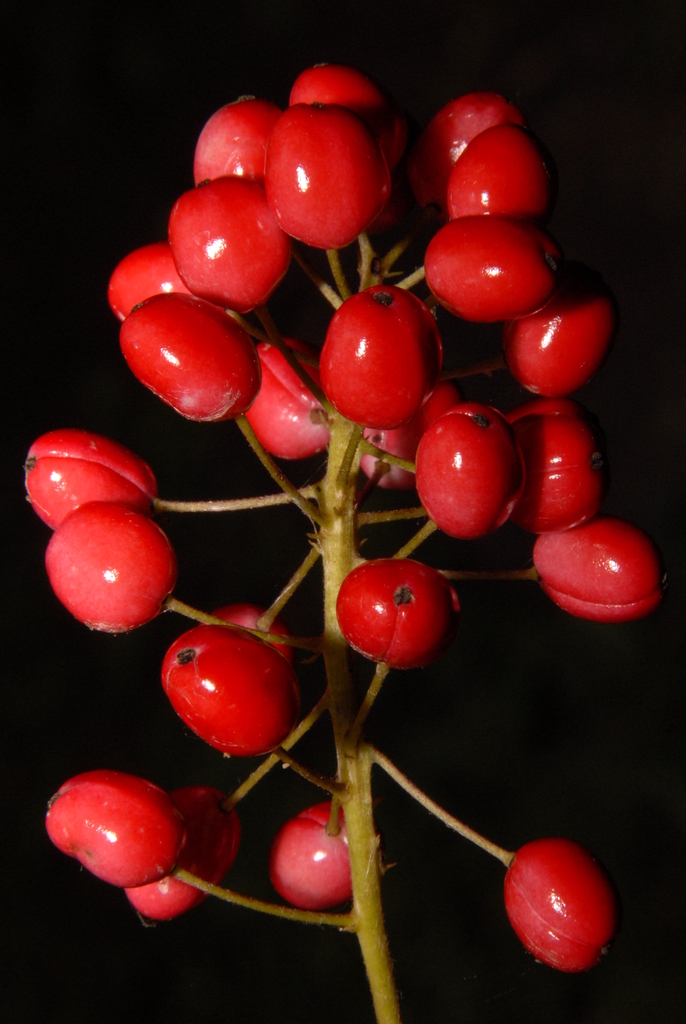
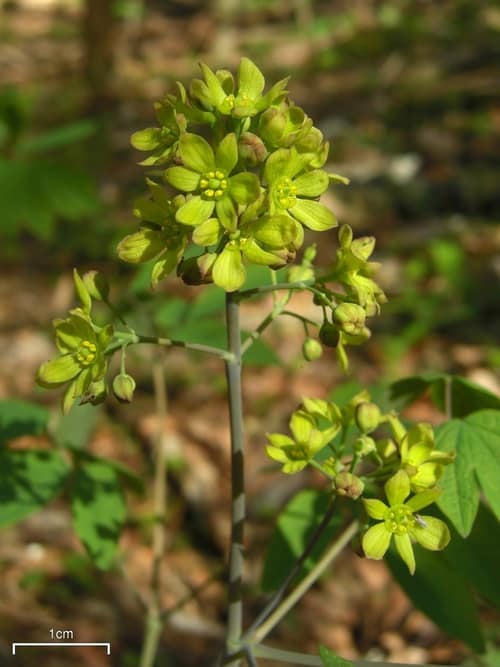
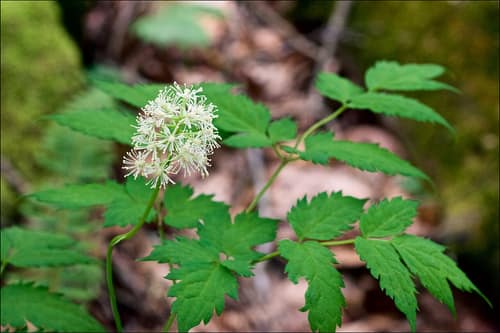
Red baneberry brightens moist North American woodlands with feathery white flower clusters in spring, followed by striking, glossy scarlet berries in late summer. This bushy perennial relies on native pollinators like short-tongued bees and beetles for fertilization, while small birds disperse its seeds despite the fruit's potent toxins. Every part of the plant contains cardiogenic compounds that deter most mammalian herbivores.
All parts are highly poisonous if ingested; wild berries have toxic look-alikes, so never eat wild fruit.
Why it is dangerous
Contains protoanemonin and essential oils that act as severe toxins, causing severe gastrointestinal distress and potential cardiac arrest if ingested.
How to recognize a risky encounter
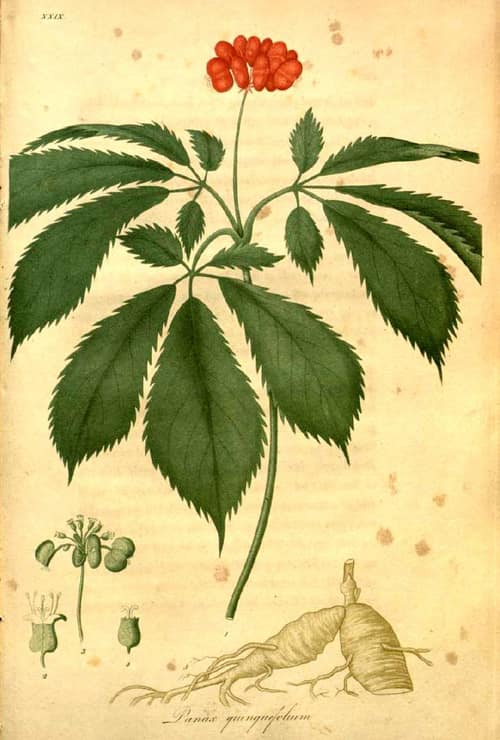
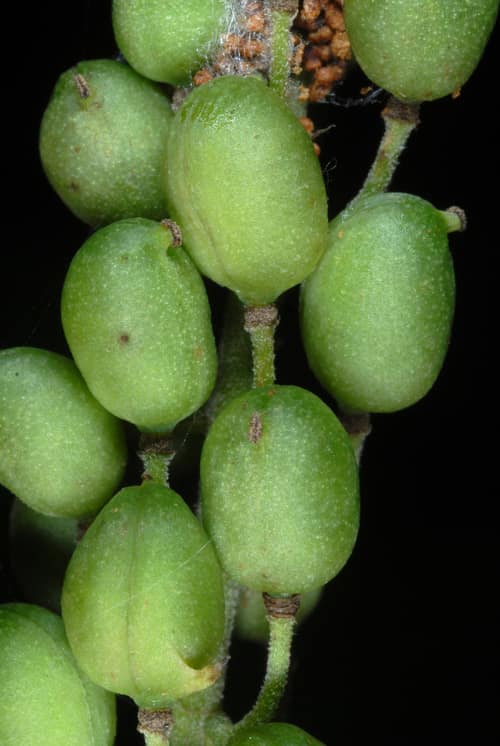
Look for compound, sharply toothed leaves and terminal clusters of shiny scarlet or white berries on slender pedicels.
What to do
Do not harvest or taste any part of the plant, and wash hands thoroughly if accidental contact occurs.
Responsible observation
Spring Bloom: Look for fluffy clusters of tiny white flowers blooming from late spring to early summer.
Autumn Identification: Identify in late summer by bright cherry-red glossy berries hanging from fine stems.
Safe Enjoyment: Admire foliage and berry clusters strictly visually without picking or tasting.