
Plant · GBIF taxon 5371685
Marsh Marigold
Caltha palustrisAlso known as Kingcup
Marsh marigold is a clump-forming wetland perennial with glossy rounded leaves and bright yellow flowers. It blooms early in saturated ground, but its flowers lack the many narrow ray petals of true marigolds.
wetland wildflowerspring bloombuttercup family
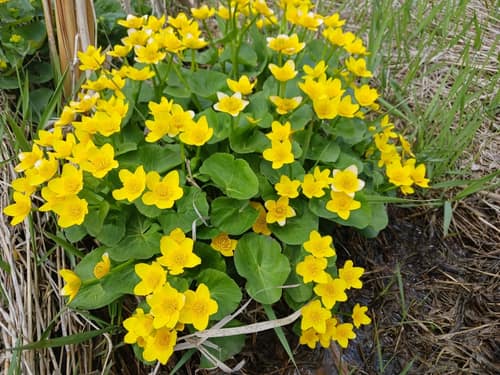
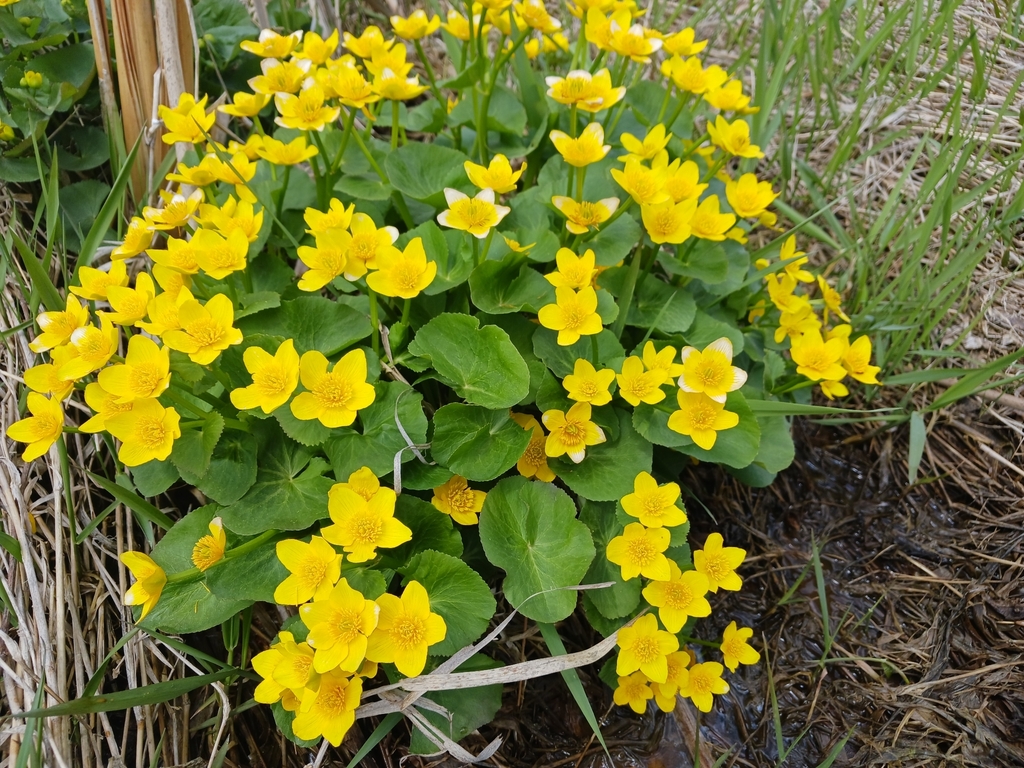
Licensed reference(c) eeyipes, some rights reserved (CC BY) · cc-by
—observations
—countries
—peak records
Least ConcernConservation statusIUCN Red List categoriesLCNTVUENCREWEXLeast ConcernRed List categories, explained →
Diet & prey
- Produces energy through photosynthesis in moist, nutrient-rich ground
Predators
- slugs
- beetles
- grazing mammals
ThreatsWetland drainage, altered water levels, trampling, and competition from invasive plants
HabitatsMarshes, wet meadows, swamp margins, seeps, and shallow stream edges
Life spanA perennial herb that can return from its root crown for many seasons
Size / weightNot available
Classification
- FamilyRanunculaceae
- SpeciesCaltha palustris
Range data is not available yet.
Interaction riskHigh
- Low
- Moderate
- High
- Very high
- Why interaction risk is high
- Fresh tissues can irritate skin and cause illness if swallowed.
- Why it is dangerous
- Fresh marsh marigold contains irritating compounds that can blister skin and upset the digestive system.
- How to recognize a risky encounter
- Distinguish its rounded glossy leaves and simple yellow flowers from unrelated garden marigolds.
- What to do
- Avoid tasting or crushing tissues, wear gloves for necessary handling, and wash contacted skin.
Responsible observation
- Identify: Look for glossy kidney-shaped leaves and five to nine yellow petal-like sepals.
- Observe: Stay on firm paths to avoid trampling saturated wetland soil.
Help improve the field guideSomething wrong?
Checking your Fauna account…Report a name, category, or profile issue for review.