
Plant
Toyon
Heteromeles arbutifoliaAlso known as Christmas Berry, California Holly
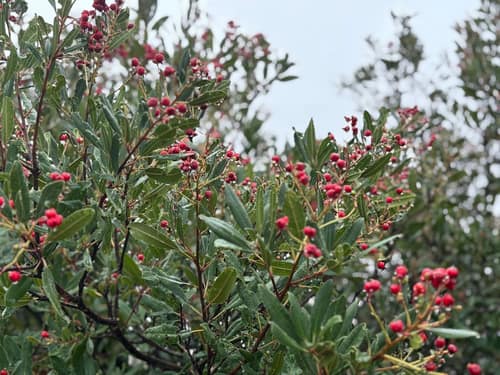
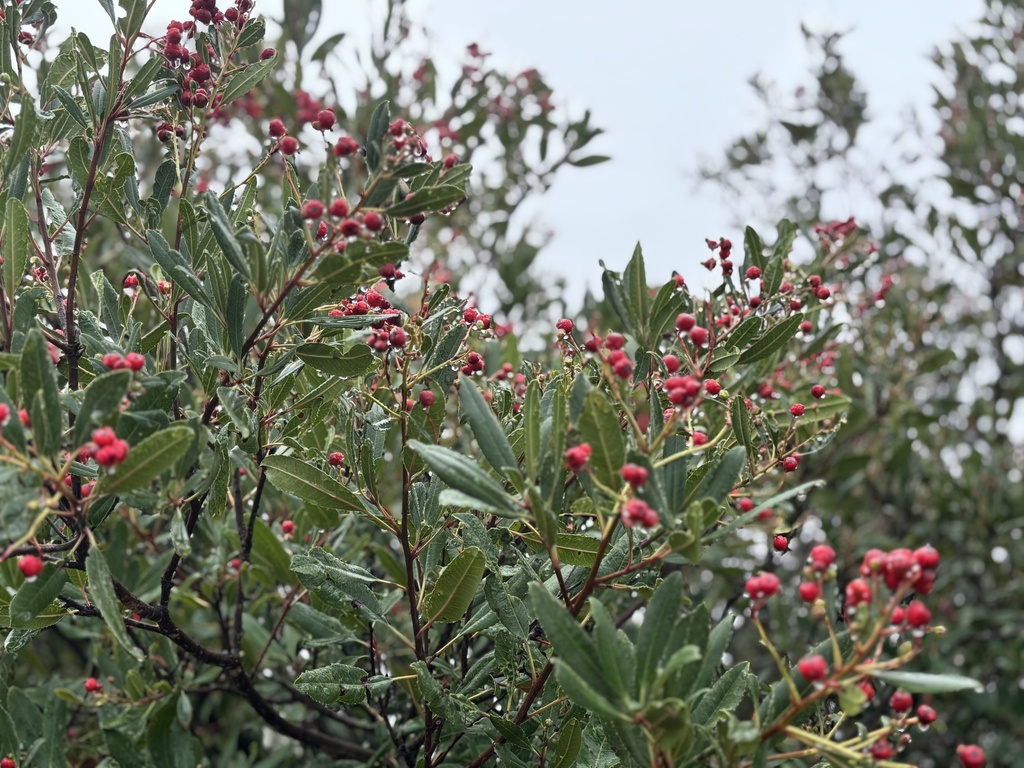
Toyon is an evergreen shrub or small tree native to California chaparral and coastal sage scrub communities, recognized by its leathery, serrated leaves and bright red winter berries. Large clusters of small white flowers bloom in summer, attracting bees and butterflies before ripening into dense bunches of vivid red pome fruits that persist through winter. These long-lasting berries serve as a vital winter food source for resident and migratory birds such as cedar waxwings and robins.
EvergreenBerry BearingNative Plant
—observations
—countries
—peak records
Least ConcernConservation statusIUCN Red List categoriesLCNTVUENCREWEXLeast ConcernRed List categories, explained →
Diet & preyPhotosynthetic
Predators
- Deer
- Coyotes
- Frugivorous Birds
ThreatsHabitat loss, fire frequency changes, sudden oak death pathogen
HabitatsChaparral, coastal sage scrub, oak woodlands, foothill slopes
Life span50–100+ years
Classification
- FamilyRosaceae
- SpeciesHeteromeles arbutifolia
Range data is not available yet.
Interaction riskHigh
- Low
- Moderate
- High
- Very high
- Why interaction risk is high
- Raw berries contain cyanogenic glycosides; wild berries have toxic look-alikes, so never ingest based on app identification.
- Why it is dangerous
- Leaves and raw berries contain cyanogenic glycosides that release hydrogen cyanide when chewed or ingested in quantity.
- How to recognize a risky encounter
- Identified by thick, dark green leathery leaves with spiny serrated edges and dense clusters of bright red pome fruits.
- What to do
- Avoid eating wild berries or plant parts, and keep pets from chewing on foliage or fruit.
Responsible observation
- Spotting Berries: Look for brilliant red clusters from November through February along sunny hillsides.
- Bird Watching: Pause near fruiting shrubs in winter to observe feeding flocks of cedar waxwings and robins.
- Garden Use: Plant in well-drained soil for low-water native landscaping that supports local pollinators.
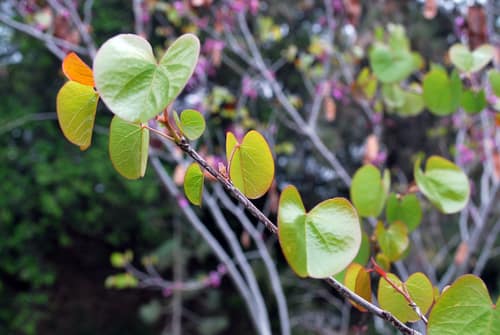
Frequent Companion (c) Bri Weldon, some rights reserved (CC BY) · cc-by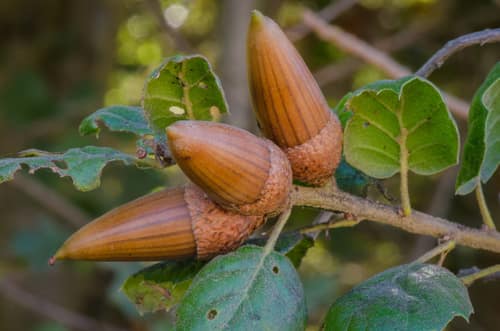
Frequent Companion (c) Franco Folini, some rights reserved (CC BY-SA) · cc-by-sa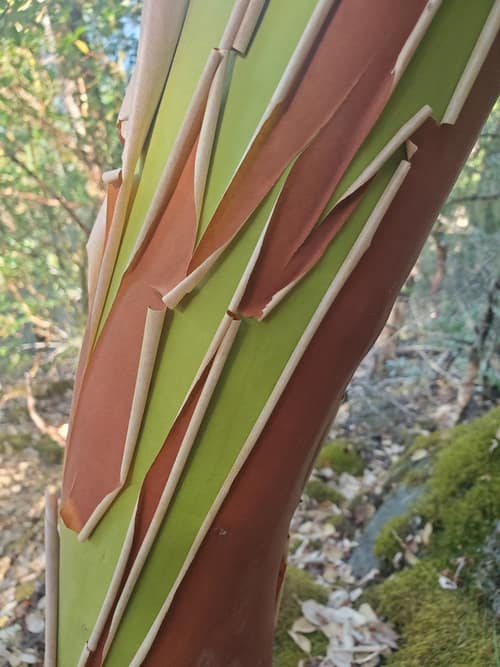
Look-alike (c) J Straka, some rights reserved (CC BY), uploaded by J Straka · cc-by
Help improve the field guideSomething wrong?
Checking your Fauna account…Report a name, category, or profile issue for review.