
Flower
White Avens
Geum canadenseAlso known as Canadian Avens, Redroot
White avens thrives in dappled forest understories and shaded clearings, producing delicate five-petaled white blossoms throughout early to midsummer. After flowering, each bloom transforms into a dense cluster of hooked achenes that catch onto passing wildlife fur and hiker clothing to disperse. Its variable basal leaves form semi-evergreen rosettes, often lingering through mild winters before new upright stems emerge in late spring.
Woodland NativePerennial HerbHooked Burs
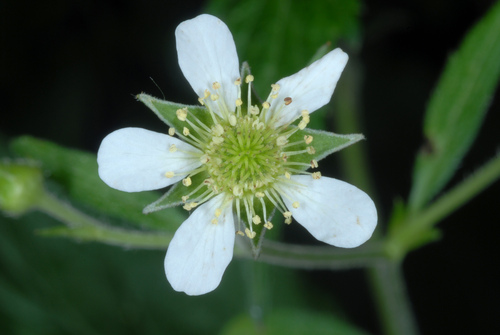
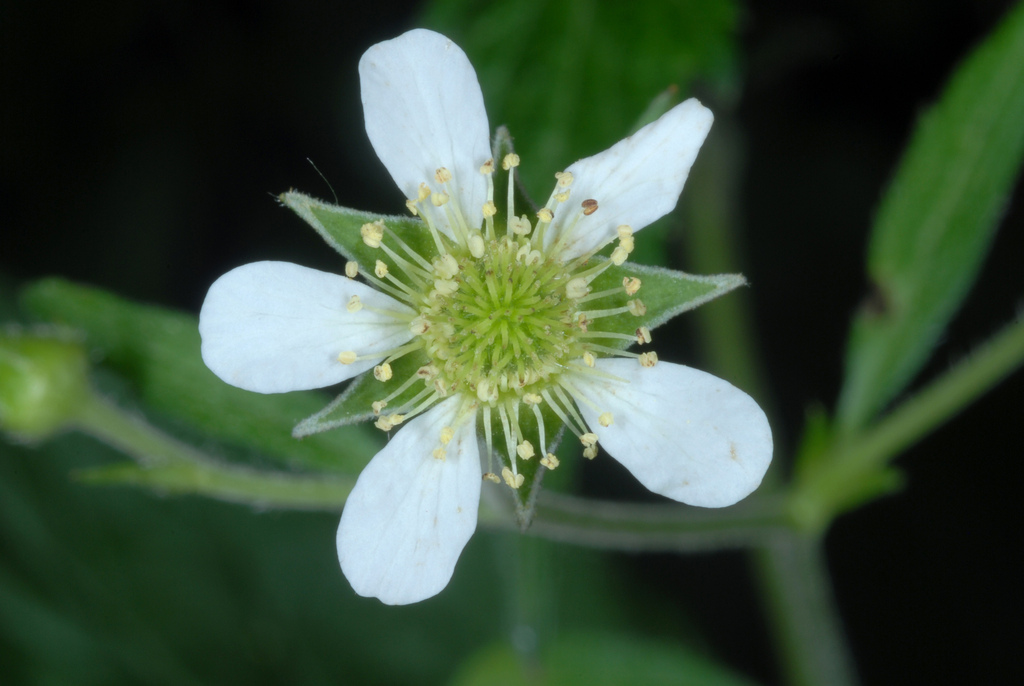
—observations
—countries
—peak records
Least ConcernConservation statusIUCN Red List categoriesLCNTVUENCREWEXLeast ConcernRed List categories, explained →
Diet & preySunlight, Soil Nutrients, Moisture
Predators
- White-tailed Deer
- Eastern Cottontail
- Groundhog
ThreatsHabitat fragmentation, severe soil compaction, and aggressive invasive weeds
HabitatsDeciduous woodlands, forest borders, thickets, and shaded stream banks
Life spanPerennial (typically 3–8 years)
Classification
- OrderRosales
- FamilyRosaceae
- GenusGeum
- SpeciesGeum canadense
Range data is not available yet.
Interaction riskLow
- Low
- Moderate
- High
- Very high
- Why interaction risk is low
- Safe to observe at a normal distance; hooked seed heads readily cling to hiking socks and pet fur.
Responsible observation
- Trailside Encounters: Check socks and pant cuffs after walking near brush, as the hooked fruits hitchhike readily.
- Seasonal Identification: Examine basal rosettes in late winter to spot the distinct three-lobed leaves before stems rise.
- Pollinator Watching: Watch the small white blossoms on sunny mornings to spot tiny solitary bees and hoverflies feeding.
 Image unavailable
Same Genus 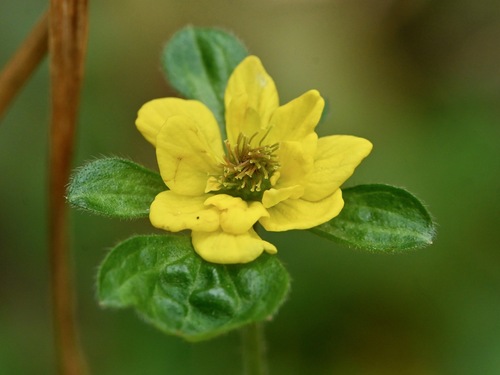
Same Genus (c) Maciej Boenisch, some rights reserved (CC BY), uploaded by Maciej Boenisch · cc-by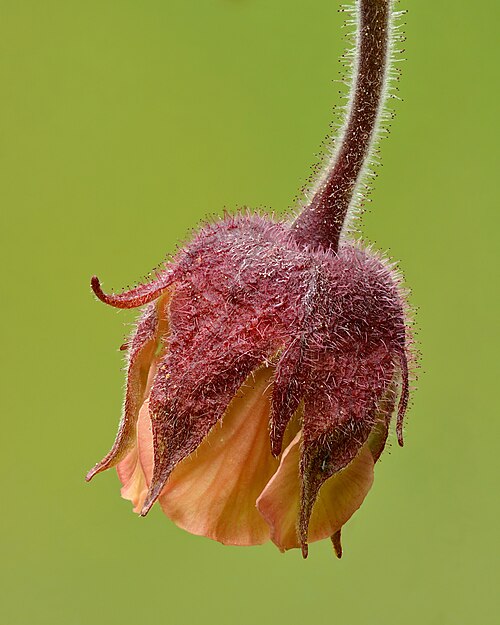
Same Genus Ivar Leidus / CC BY-SA 4.0 · cc-by-saSame Genus
Help improve the field guideSomething wrong?
Checking your Fauna account…Report a name, category, or profile issue for review.