
Plant · GBIF taxon 5363119
Callery Pear
Pyrus calleryanaAlso known as Bradford Pear, Chanticleer Pear, Chinese Pear
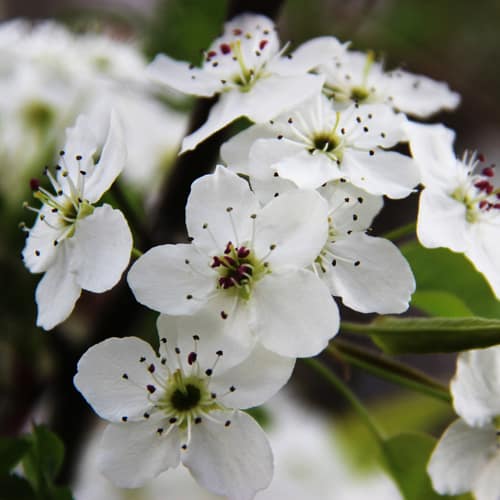
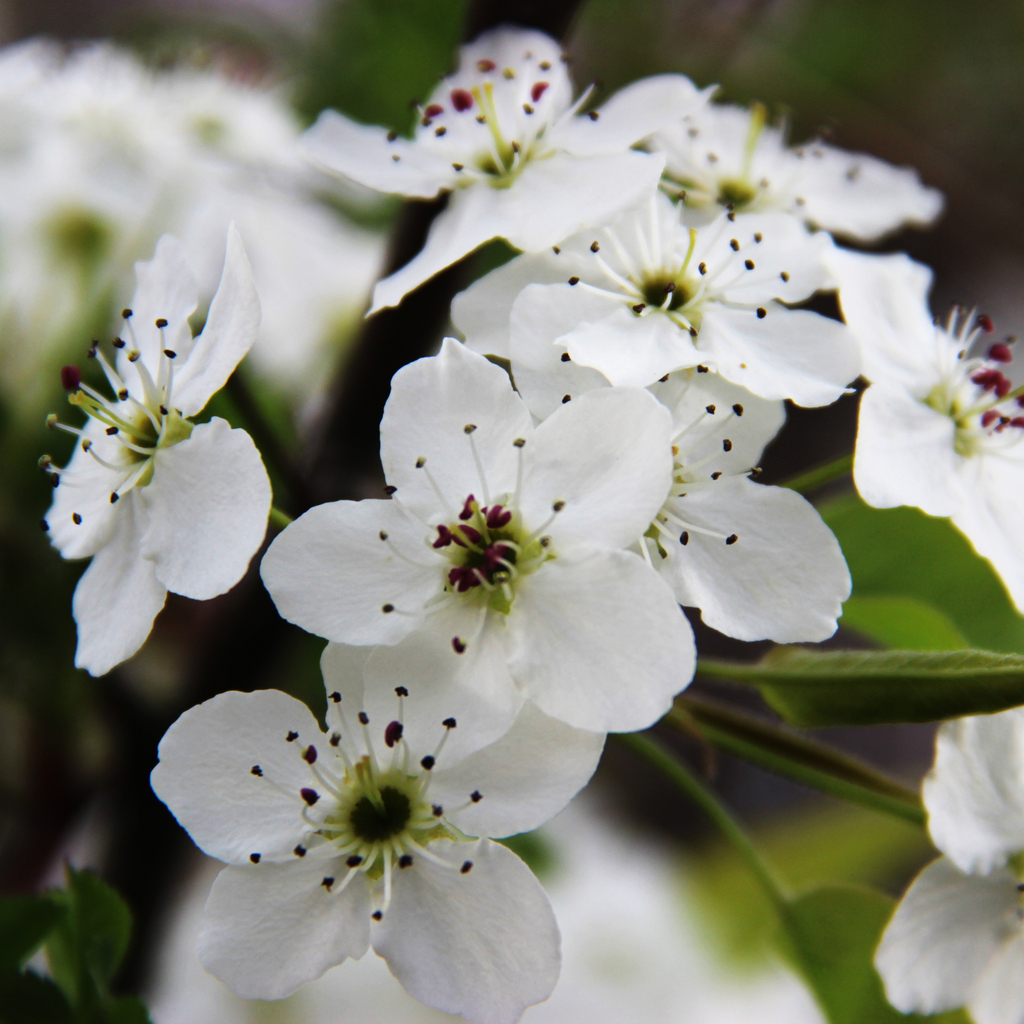
Callery pear dominates disturbed landscapes with explosive early spring white blooms that emit a pungent, fishy odor. Originally imported from East Asia as disease-resistant rootstock, escaped wild seedlings revert to thorny forms that choke out native forest plants and form impenetrable thickets. Weak branch angles leave mature landscape specimens exceptionally vulnerable to splitting during high winds and heavy ice storms.
InvasiveFlowering TreeDeciduous
—observations
—countries
—peak records
Not EvaluatedConservation statusIUCN Red List categoriesLCNTVUENCREWEXNot Evaluated — not placed on the risk ladderRed List categories, explained →
Diet & prey
- Sunlight
- Water
- Soil Minerals
Predators
- White-tailed Deer
- Frugivorous Birds
ThreatsHerbicides, mechanical removal, controlled burning
HabitatsDisturbed forests, abandoned fields, roadsides, suburban yards
Life span25–50 years
Size / weightNot available
Classification
- OrderRosales
- FamilyRosaceae
- GenusPyrus
- SpeciesPyrus calleryana
Range data is not available yet.
Interaction riskHigh
- Low
- Moderate
- High
- Very high
- Why interaction risk is high
- Wild fruits have toxic look-alikes; never eat wild produce based on app identification alone.
Responsible observation
- Identification: Look for glossy heart-shaped leaves, dense white spring flowers, and strong rancid smell.
- Management: Avoid planting cultivated varieties as cross-pollination spreads invasive wild seedlings.
- Observation: Note the deep red to purple leaf coloration that persists late into autumn.
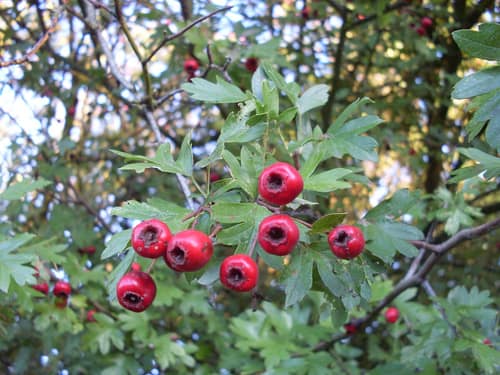
Competitor Elstro / CC BY 3.0 · cc-by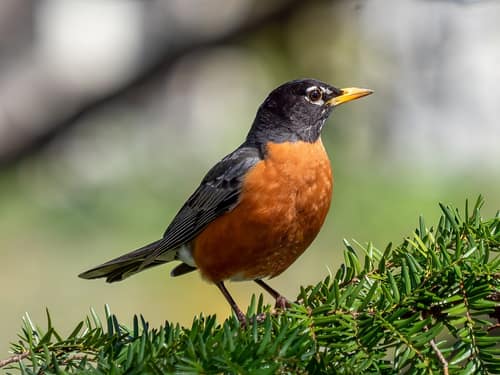
Seed Disperser Rhododendrites / CC BY-SA 4.0 · cc-by-sa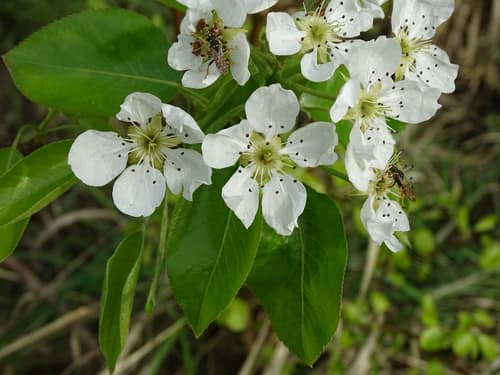
Close Relative (c) Grzegorz Grzejszczak, some rights reserved (CC BY-SA), uploaded by Grzegorz Grzejszczak · cc-by-sa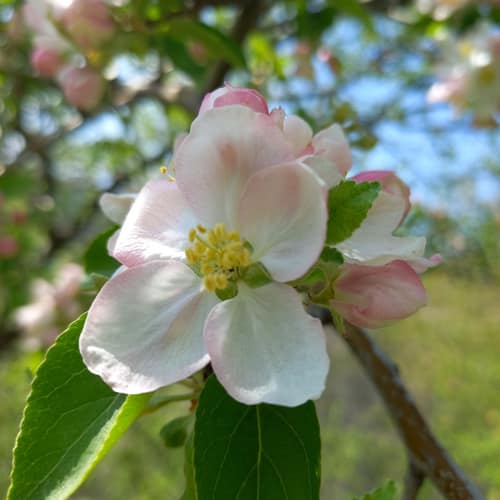
Family Relative (c) Alexander Dubynin, some rights reserved (CC BY) · cc-by
Help improve the field guideSomething wrong?
Checking your Fauna account…Report a name, category, or profile issue for review.