
Plant · GBIF taxon 5362786
Asian Pear
Pyrus pyrifoliaAlso known as Nashi Pear, Sand Pear, Japanese Pear, Oriental Pear
Asian pear trees burst into dense clusters of five-petaled white flowers each spring before pushing glossy, finely serrated green leaves. The rounded pome fruits develop a characteristic russeted or speckled skin while maturing on sturdy spur branches. High autumn sun turns the foliage brilliant shades of bronze, orange, and deep red across temperate landscapes.
DeciduousFloweringFruit Tree
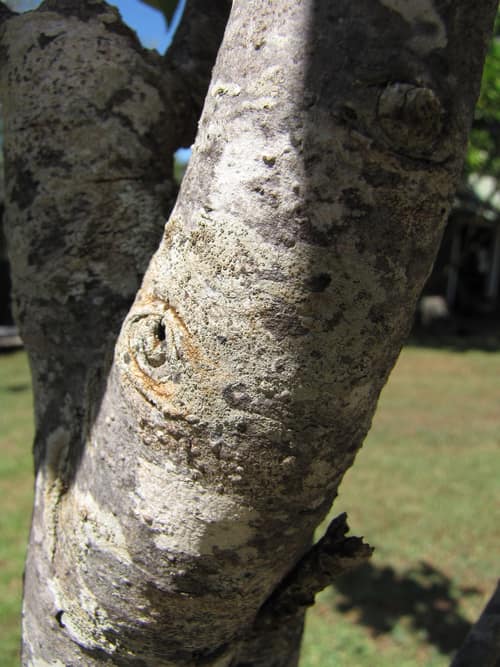
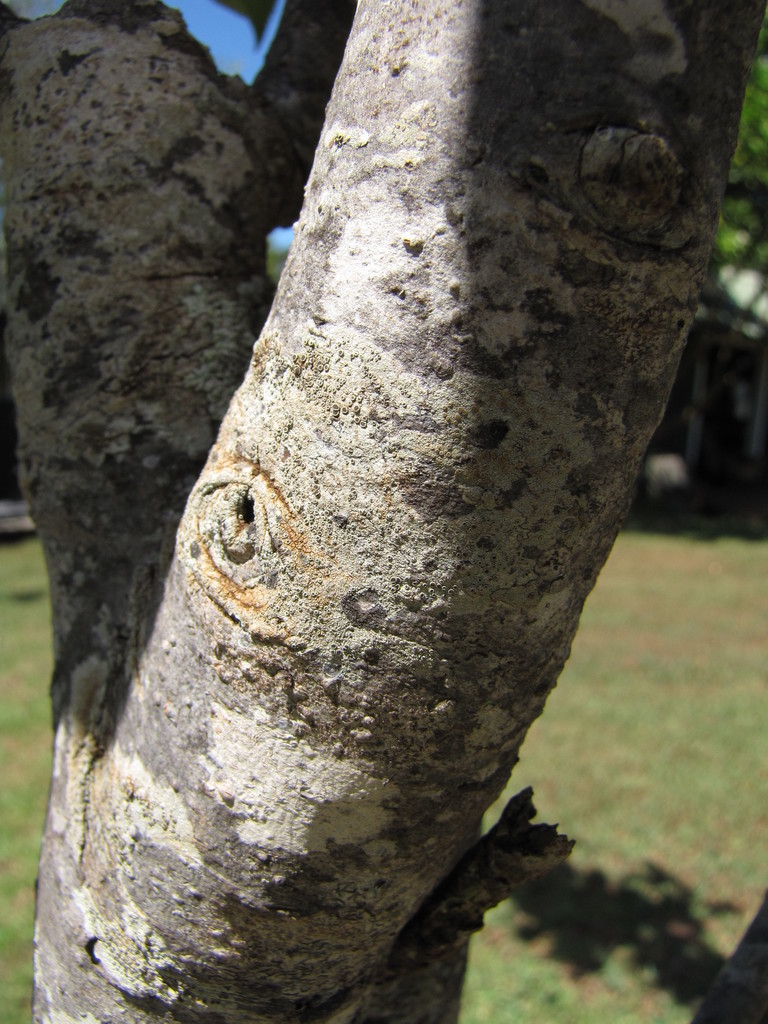
—observations
—countries
—peak records
Least ConcernConservation statusIUCN Red List categoriesLCNTVUENCREWEXLeast ConcernRed List categories, explained →
Diet & prey
- Sunlight
- Water
- Soil Minerals
Predators
- Codling Moth
- Deer
- Aphids
ThreatsFire blight, bacterial blossom blast, habitat fragmentation
HabitatsTemperate forests, valleys, orchards, cultivated gardens
Life span30–50 years
Size / weightNot available
Classification
- FamilyRosaceae
- SpeciesPyrus pyrifolia
Range data is not available yet.
Interaction riskLow
- Low
- Moderate
- High
- Very high
- Why interaction risk is low
- Wild fruits have toxic look-alikes; never eat wild fruit based on app identification alone.
Responsible observation
- Spring Watching: Observe the dense white floral clusters in early spring before leaf expansion.
- Fruit Identification: Note the distinctive rounded shape and russeted or smooth speckled skin.
- Fall Foliage: Look for dramatic autumn leaf color changes ranging from bronze to fiery red.
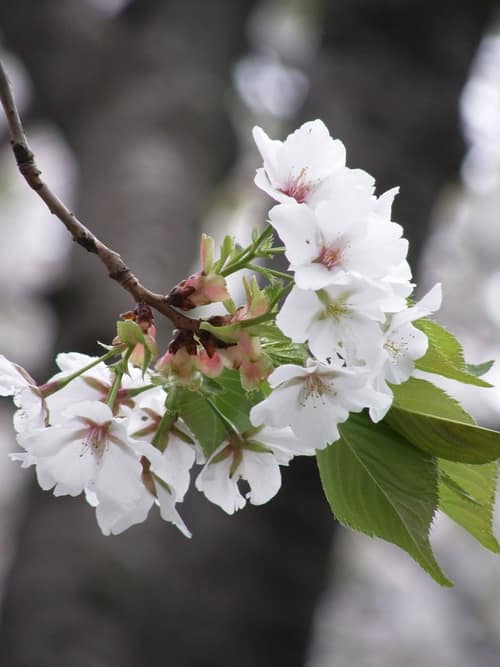
Related Ornamental "Sakura (Oshima Zakura) - Japanese Cherry Blossom" by Guwashi999 is licensed under CC BY 2.0. To view a copy of this license, visit https://creativecommons.org/licenses/by/2.0/. · cc-by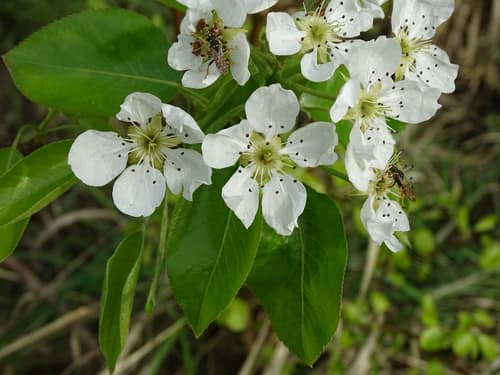
Close Relative (c) Grzegorz Grzejszczak, some rights reserved (CC BY-SA), uploaded by Grzegorz Grzejszczak · cc-by-sa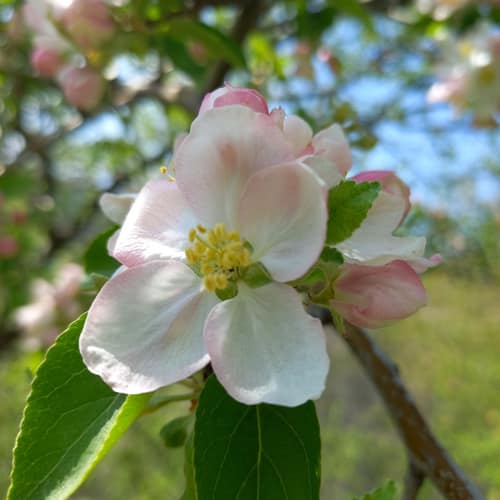
Family Kin (c) Alexander Dubynin, some rights reserved (CC BY) · cc-by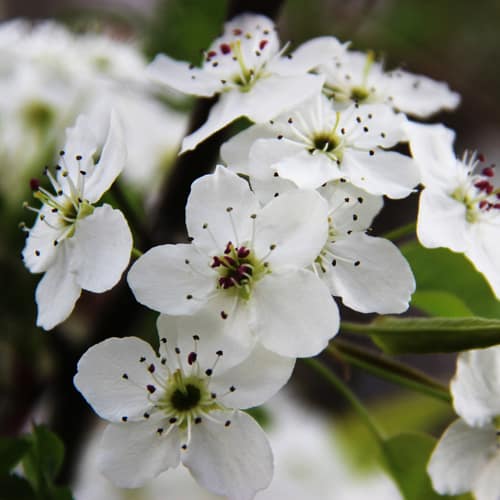
Close Relative (c) Benjamin Smith, some rights reserved (CC BY) · cc-by
Help improve the field guideSomething wrong?
Checking your Fauna account…Report a name, category, or profile issue for review.