
Plant
Iberian Wild Pear Tree
Pyrus bourgaeanaAlso known as Iberian Pear
Iberian wild pears produce small, woody pomes that ripen and soften in late autumn, relying heavily on mammalian seed dispersers such as badgers, foxes, and wild boars. Dense, spiny branch spurs create protective microhabitats for nesting passerines and small reptiles in dry Mediterranean woodlands. Clusters of snowy white blossoms appear in early spring, supplying critical early-season nectar to solitary bees and beetles across grazed dehesas.
DeciduousFloweringMediterranean
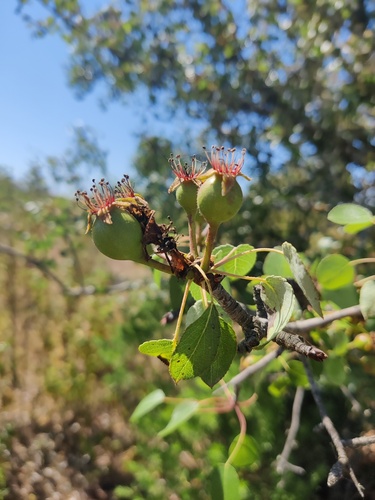
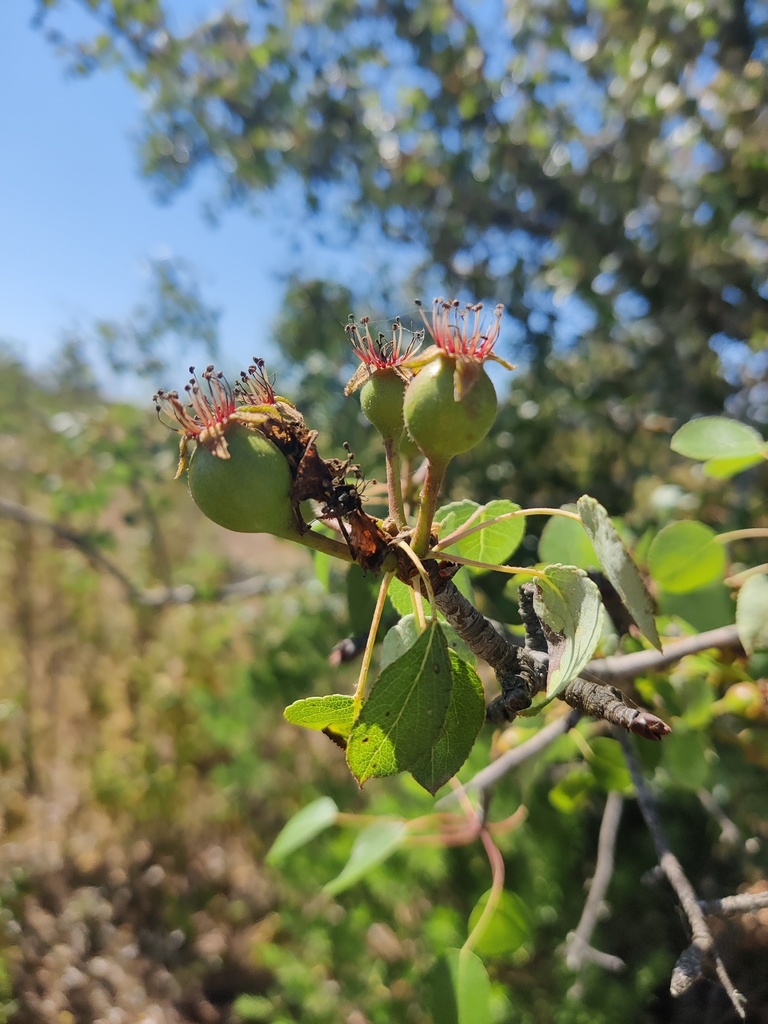
—observations
—countries
—peak records
Least ConcernConservation statusIUCN Red List categoriesLCNTVUENCREWEXLeast ConcernRed List categories, explained →
Diet & preyAutotrophic (photosynthetic)
Predators
- Wild Boar
- Red Fox
- European Badger
ThreatsHabitat loss from agriculture, overgrazing, and hybridization with domestic pears
HabitatsMediterranean open woodlands, dehesas, and scrublands
Life span50–150 years
Classification
- FamilyRosaceae
- SpeciesPyrus bourgaeana
Range data is not available yet.
Interaction riskLow
- Low
- Moderate
- High
- Very high
- Why interaction risk is low
- Wild fruit has toxic look-alikes; never eat wild plants based on app identification alone.
Responsible observation
- Branch observation: Take care when reaching near limbs, as short lateral spurs terminate in sharp woody spines.
- Bloom timing: Search for profuse white floral displays during February and March before leaves fully unfurl.
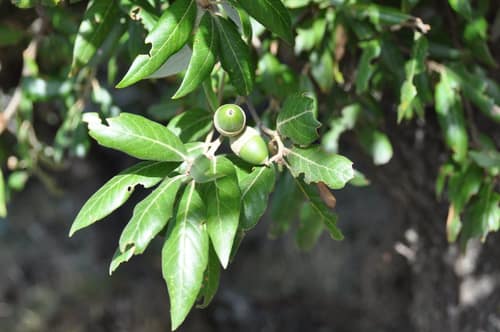
Frequent Companion Flickr / CC BY 2.0 · CC BY 2.0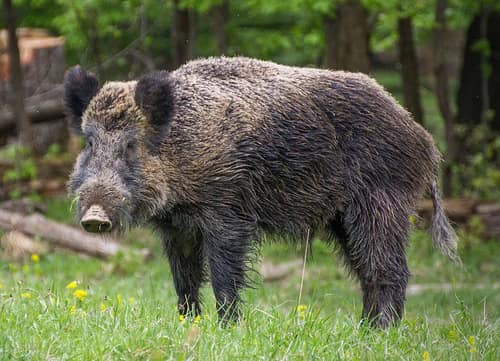
Seed Disperser Valentin Panzirsch / CC BY-SA 3.0 at · cc-by-sa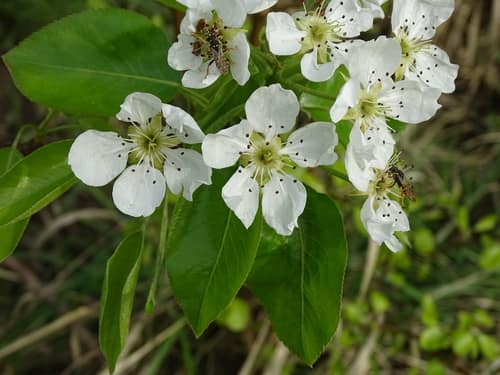
Close Relative (c) Grzegorz Grzejszczak, some rights reserved (CC BY-SA), uploaded by Grzegorz Grzejszczak · cc-by-sa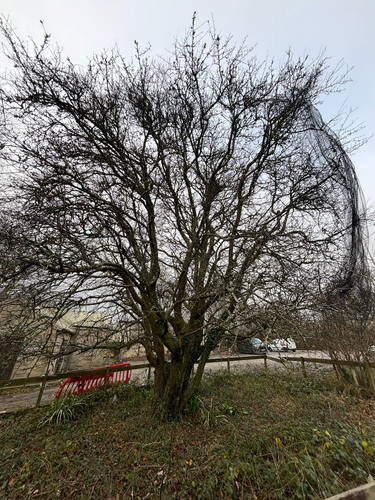
Close Relative no rights reserved · cc0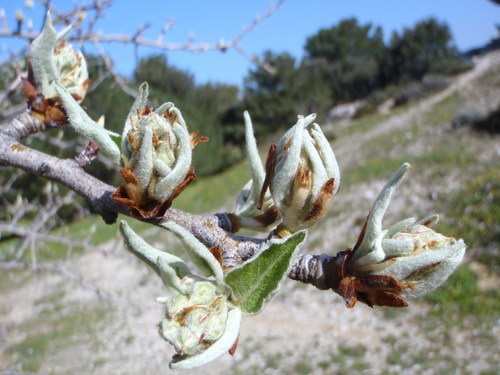
Close Relative (c) Genevieve BOTTI [CC BY-SA], via Tela Botanica, some rights reserved (CC BY-SA) · cc-by-sa
Help improve the field guideSomething wrong?
Checking your Fauna account…Report a name, category, or profile issue for review.