
Plant
Common Pear
Pyrus communisAlso known as European Pear
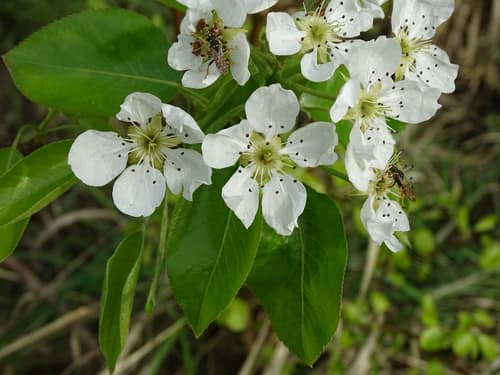
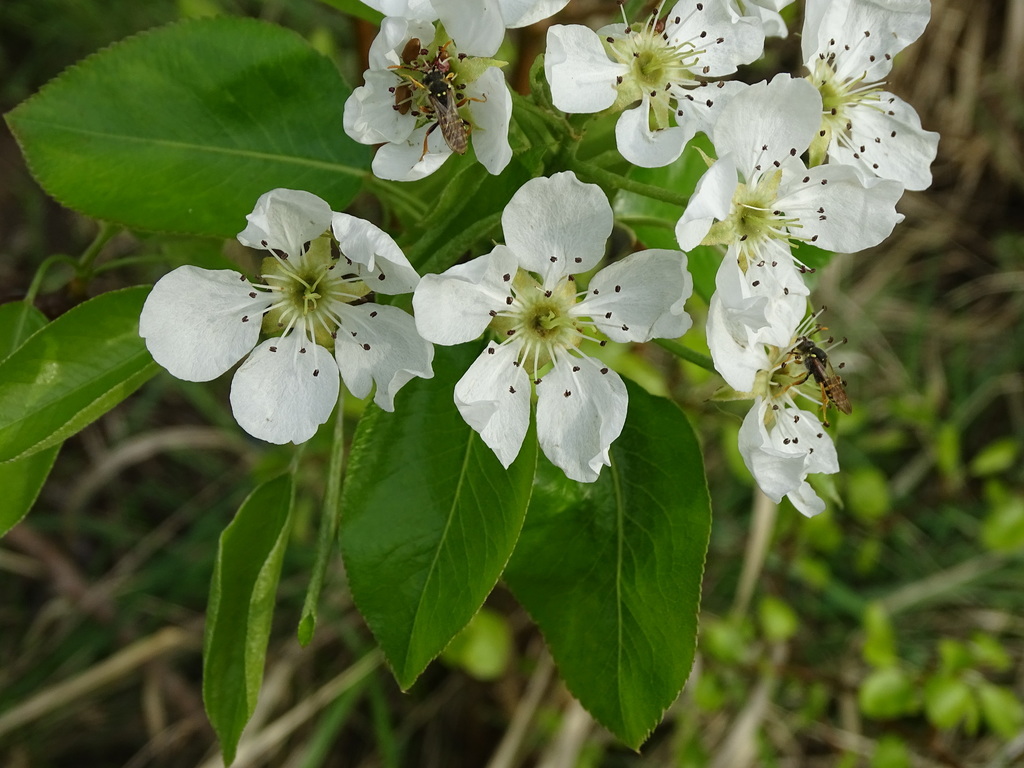
Common pear trees burst into dense clusters of five-petaled white flowers during mid-spring, relying heavily on early emerging bees to cross-pollinate their blossoms before leaves fully unfurl. In wild and naturalized habitats, the tree develops a pyramidal crown with thorny juvenile branches that offer protective nesting sites for songbirds. Frugivorous birds and mammals devour the fallen autumn pomes, facilitating wide seed dispersal through temperate forest margins.
DeciduousFloweringFruit-bearing
—observations
—countries
—peak records
Least ConcernConservation statusIUCN Red List categoriesLCNTVUENCREWEXLeast ConcernRed List categories, explained →
Diet & preySunlight, Water, Carbon Dioxide
Predators
- Codling Moth
- European Pear Rust Fungus
- Roe Deer
ThreatsFire blight, fungal leaf spot, and habitat clearing
HabitatsDeciduous woodlands, scrub margins, hedgerows, and orchards
Life span50–250 years
Classification
- OrderRosales
- FamilyRosaceae
- GenusPyrus
- SpeciesPyrus communis
Range data is not available yet.
Interaction riskLow
- Low
- Moderate
- High
- Very high
- Why interaction risk is low
- Wild fruits have toxic look-alikes; never eat wild plants based on app identification alone.
Responsible observation
- Branch Inspection: Look for small, spur-like lateral twigs where flowering clusters emerge in spring.
- Blight Awareness: Check twigs for scorched, hooked tips indicative of bacterial fire blight infections.
- Spring Bloom: Watch for early pollinators congregating on white blossoms before leaf canopies close.
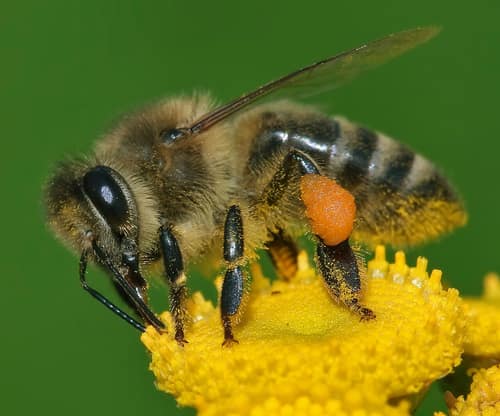
Pollinator Andreas Trepte / CC BY-SA 2.5 · cc-by-sa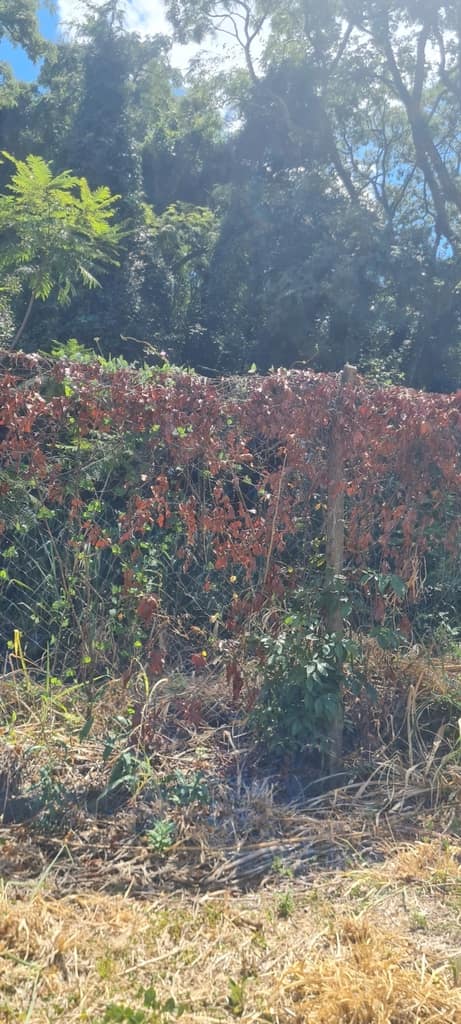
Pathogen (c) Kauã Neves, some rights reserved (CC BY) · cc-by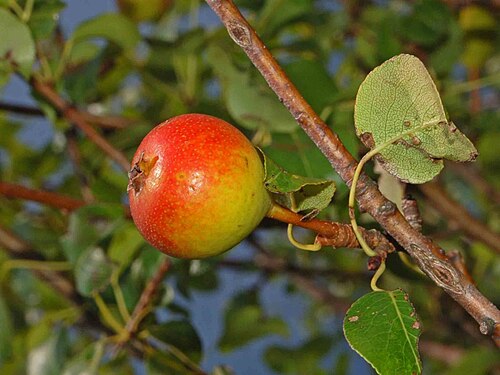
Close Relative Hectonichus / CC BY-SA 3.0 · cc-by-sa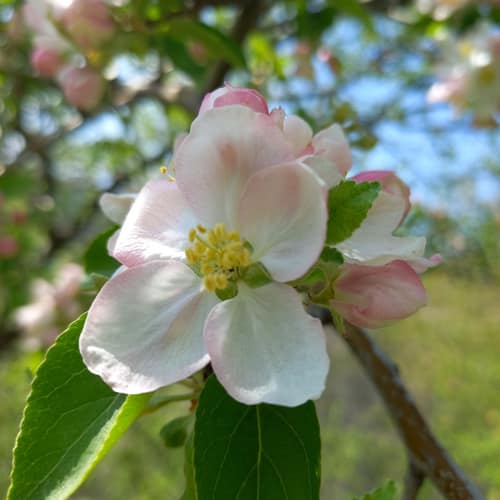
Same Family (c) Alexander Dubynin, some rights reserved (CC BY) · cc-by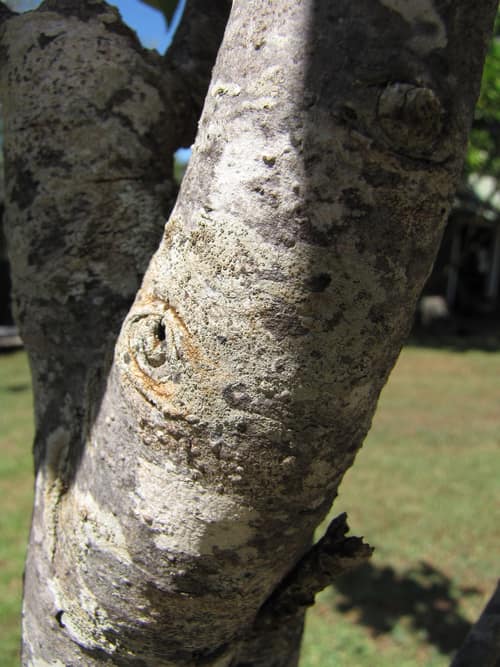
Close Relative (c) Forest and Kim Starr, some rights reserved (CC BY) · cc-by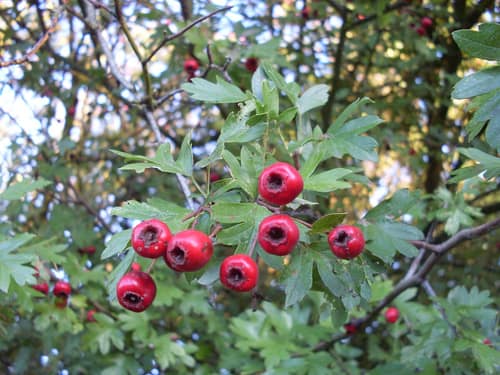
Same Family Elstro / CC BY 3.0 · cc-by
Help improve the field guideSomething wrong?
Checking your Fauna account…Report a name, category, or profile issue for review.