
Plant · GBIF taxon 5361877
Siberian Elm
Ulmus pumilaAlso known as Asiatic Elm, Dwarf Elm
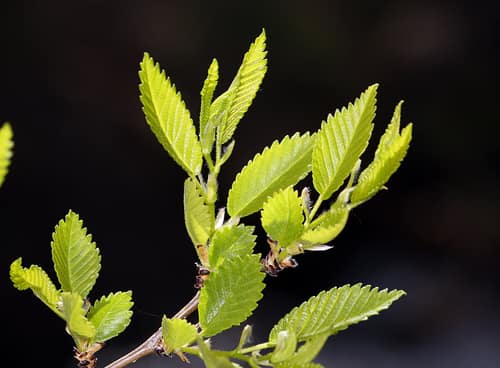
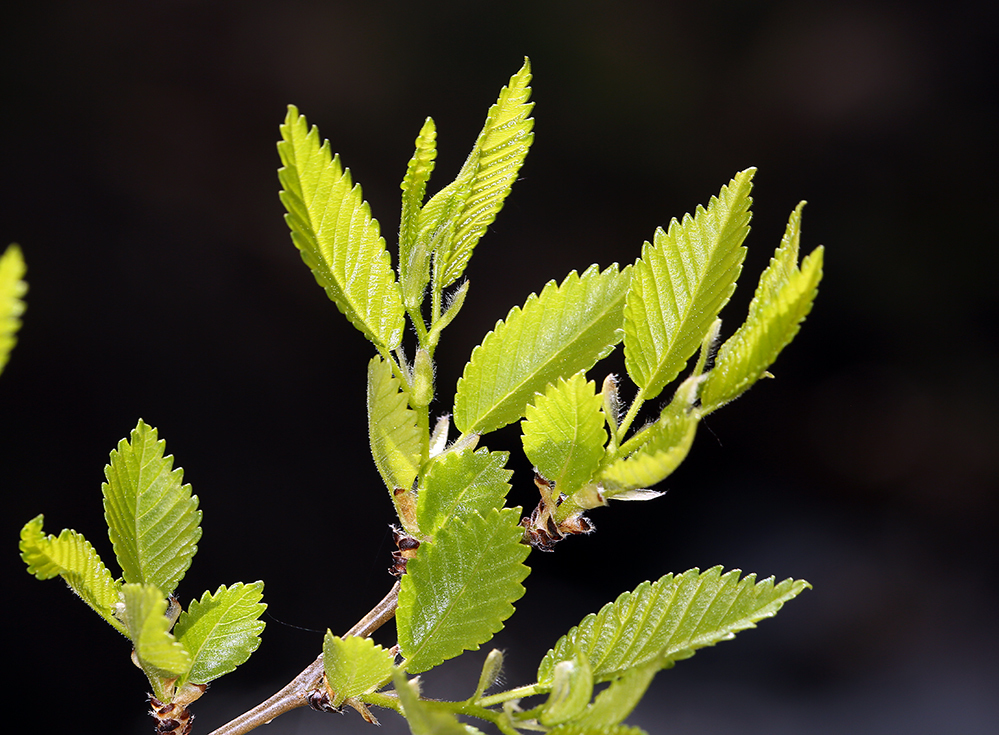
Siberian elms thrive in harsh environments, displaying extreme tolerance to drought, nutrient-poor soils, and freezing cold. Their small, dark green leaves with single-serrated margins form a broad crown, while paper-thin winged seed discs called samaras scatter by the millions every spring. Introduced widely for windbreaks and landscaping, their rapid growth and aggressive seeding allow them to colonize disturbed soils and displace native flora.
Deciduous TreeFast-GrowingInvasive
 1 / 7
1 / 7—observations
—countries
—peak records
Least ConcernConservation statusIUCN Red List categoriesLCNTVUENCREWEXLeast ConcernRed List categories, explained →
Diet & prey
- Autotrophic (photosynthetic)
Predators
- Elm Leaf Beetle
- Japanese Beetle
- White-Tailed Deer
ThreatsHerbicide control, targeted removal, invasive management
HabitatsDisturbed ground, roadsides, grasslands, open woodlands, riverbanks
Life span50–100 years
Classification
- OrderRosales
- FamilyUlmaceae
- GenusUlmus
- SpeciesUlmus pumila
Range data is not available yet.
Interaction riskLow
- Low
- Moderate
- High
- Very high
- Why interaction risk is low
- Releases high volumes of airborne pollen in early spring; monitor air quality if sensitive to tree allergens.
Responsible observation
- Identification: Look for small leaves with nearly symmetrical bases and smooth greyish-brown bark on young branches.
- Management: Dig up young saplings early before their deep taproot locks into the soil.
- Allergy Precaution: Watch for green flower clusters in early spring prior to leaf emergence, marking peak pollen release.
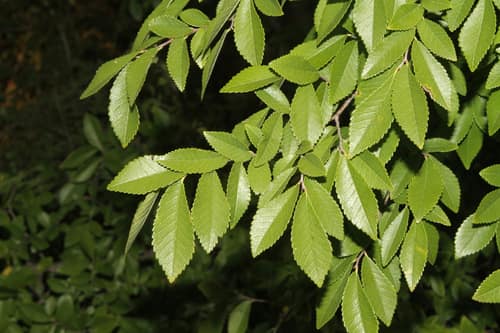
Look-alike (c) Reid Hardin, some rights reserved (CC BY), uploaded by Reid Hardin · cc-by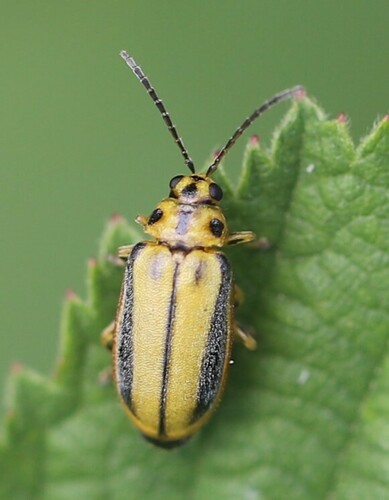
Herbivore (c) Ralf Huber, some rights reserved (CC BY) · cc-by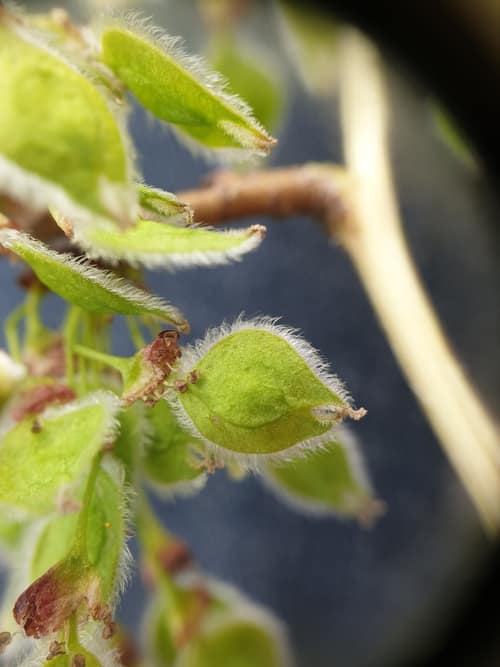
Close Relative no rights reserved, uploaded by Étienne Lacroix-Carignan · cc0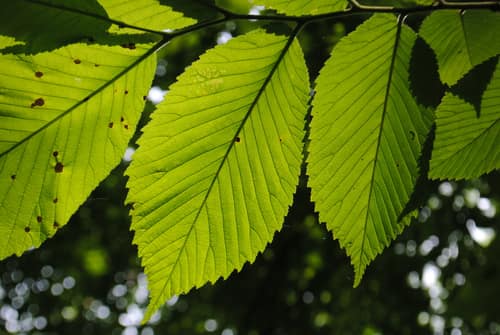
Close Relative (c) Zihao Wang, some rights reserved (CC BY), uploaded by Zihao Wang · cc-by
Help improve the field guideSomething wrong?
Checking your Fauna account…Report a name, category, or profile issue for review.