
Plant · GBIF taxon 5361872
American Elm
Ulmus americanaAlso known as White Elm, Water Elm, Soft Elm
American elms once framed North American city streets and floodplain forests with a soaring, vase-shaped silhouette of arching limbs. Early spring blooms yield winged samaras that disperse on the wind before dense, asymmetrical leaves fully unroll. Severe decline from fungal Dutch elm disease transformed this towering canopy giant into a species requiring active management and breeding for resistance.
DeciduousNative TreeCanopy Tree
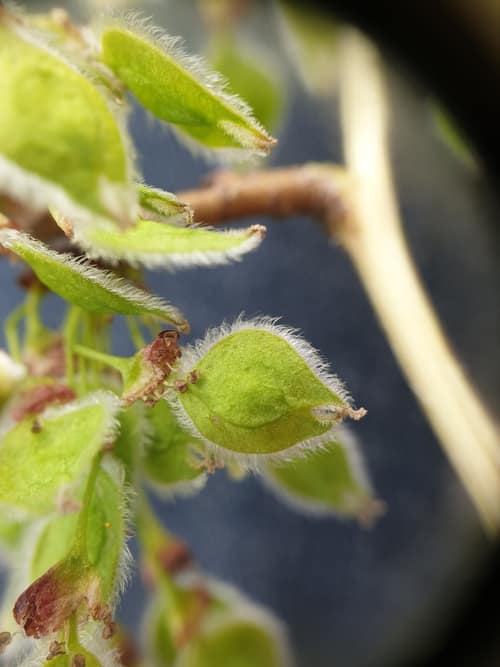
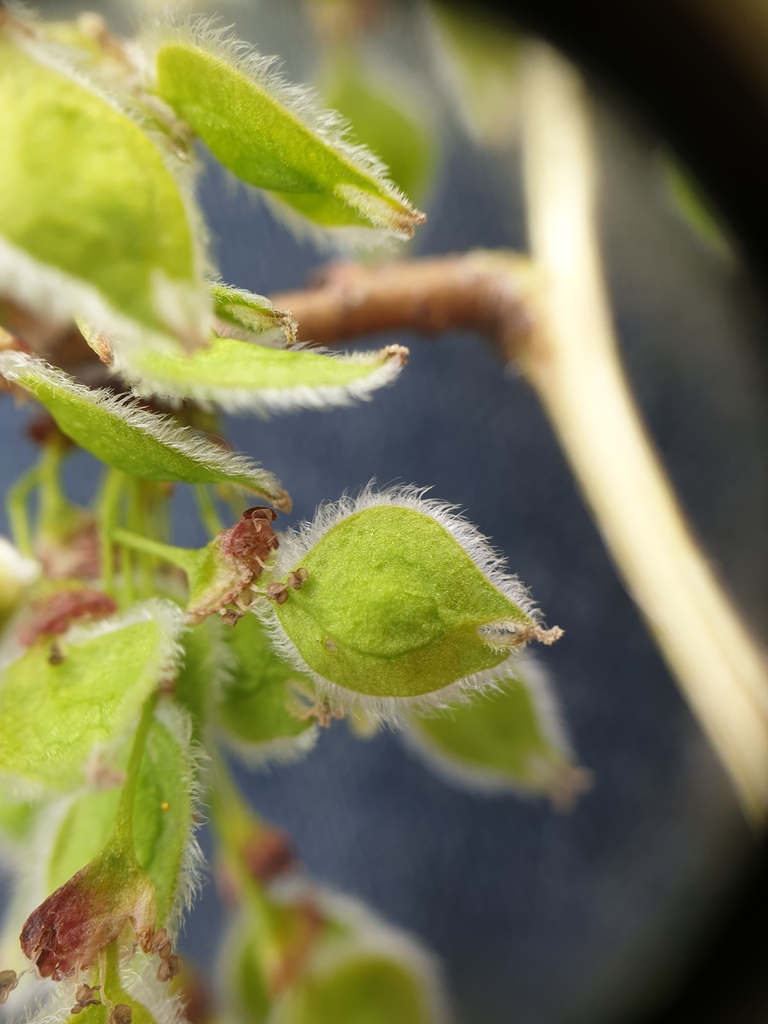
—observations
—countries
—peak records
EndangeredConservation statusIUCN Red List categoriesLCNTVUENCREWEXEndangeredRed List categories, explained →
Diet & prey
- Sunlight
- Water
- Soil Nutrients
Predators
- Native Bark Beetle
- European Elm Bark Beetle
- Elm Leaf Beetle
ThreatsDutch elm disease, elm bark beetles, and habitat fragmentation
HabitatsFloodplains, riverbanks, rich bottomland forests, and urban parks
Life spanup to 300 years
Size / weightNot available
Classification
- OrderRosales
- FamilyUlmaceae
- GenusUlmus
- SpeciesUlmus americana
Range data is not available yet.
Interaction riskLow
- Low
- Moderate
- High
- Very high
- Why interaction risk is low
- Safe to observe at a normal distance.
- What to notice
- Recognizable by its tall vase-like canopy, grey furrowed bark, and asymmetrical doubly-serrate leaves.
- Support conservation
- Observe without climbing or carving bark, and report healthy mature wild specimens to forest conservancies.
Responsible observation
- Silhouette ID: Look for the classic vase-shaped branching architecture framing high urban or forest canopies.
- Leaf Checks: Look for asymmetrical leaf bases with double-toothed margins and prominent parallel veins.
- Root Protection: Avoid compacting soil over the expansive root system when visiting mature specimens.
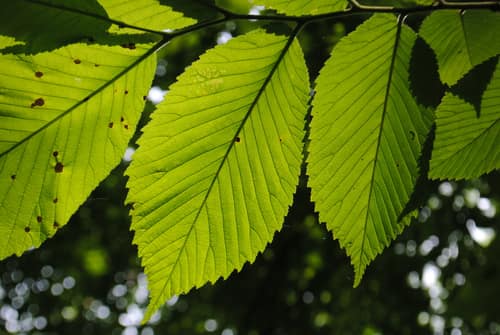
Close Relative (c) Zihao Wang, some rights reserved (CC BY), uploaded by Zihao Wang · cc-by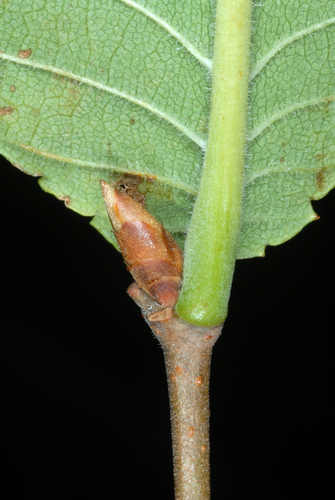
Close Relative (c) Douglas Goldman, some rights reserved (CC BY-SA), uploaded by Douglas Goldman · cc-by-sa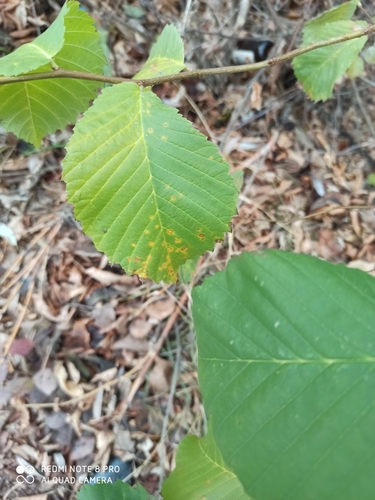
Close Relative (c) Nadezhda Kiseleva, some rights reserved (CC BY) · cc-by
Help improve the field guideSomething wrong?
Checking your Fauna account…Report a name, category, or profile issue for review.