
Plant · GBIF taxon 5361869
Chinese Elm
Ulmus parvifoliaAlso known as Lacebark Elm
Chinese elms are renowned for their distinctive lacebark pattern, which sheds in irregular puzzle-like plates to reveal patches of orange, green, and brown beneath. Unlike most elms that bloom in early spring, this species produces subtle wind-pollinated flowers and winged samaras in late summer and autumn. Highly resistant to Dutch elm disease, it serves as a resilient shade tree in both natural forests and dense urban streetscapes.
TreeDeciduousOrnamental
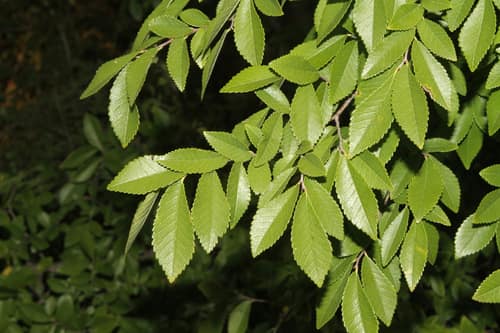
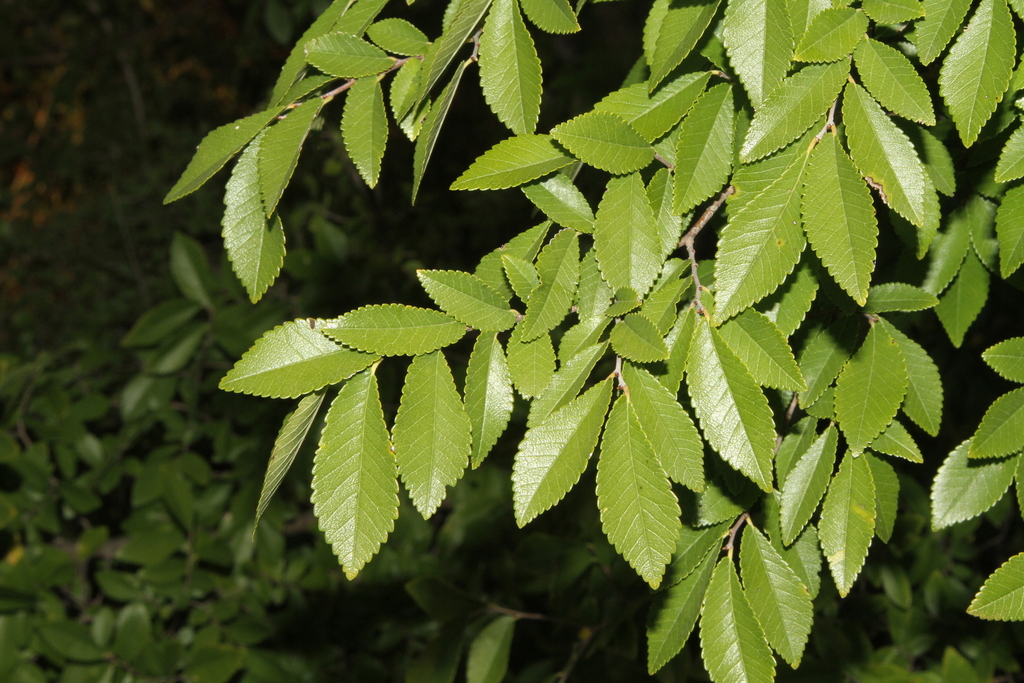 1 / 7
1 / 7—observations
—countries
—peak records
Least ConcernConservation statusIUCN Red List categoriesLCNTVUENCREWEXLeast ConcernRed List categories, explained →
Diet & prey
- Autotrophic (Photosynthesis)
Predators
- Elm Leaf Beetle
- Japanese Beetle
- Aphids
ThreatsElm leaf beetle infestations, root rot in poorly drained soils, and habitat conversion
HabitatsTemperate forests, floodplains, valleys, and urban parks
Life span100–150 years
Size / weightNot available
Classification
- OrderRosales
- FamilyUlmaceae
- GenusUlmus
- SpeciesUlmus parvifolia
Range data is not available yet.
Interaction riskLow
- Low
- Moderate
- High
- Very high
- Why interaction risk is low
- Safe to observe at a normal distance.
Responsible observation
- Bark Identification: Look for the mottled green, orange, and grey bark flaking off in smooth puzzle pieces.
- Check Autumn Foliage: Observe how leaves remain glossy green late into autumn before turning yellow or purple.
- Urban Viewing: Look for planted specimens in city parks and street margins where urban tough trees thrive.
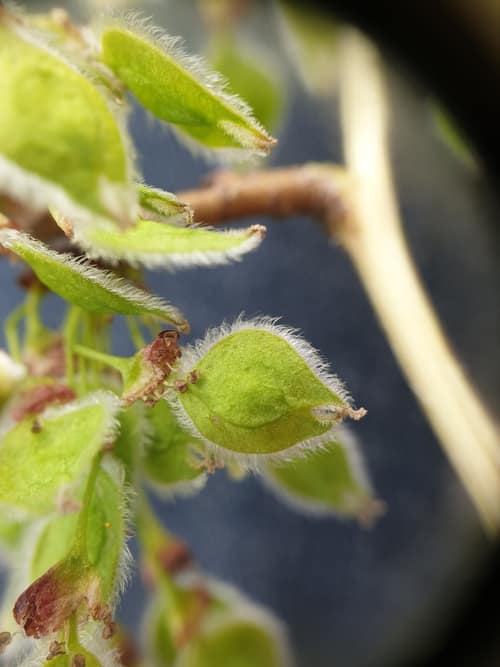
Close Relative no rights reserved, uploaded by Étienne Lacroix-Carignan · cc0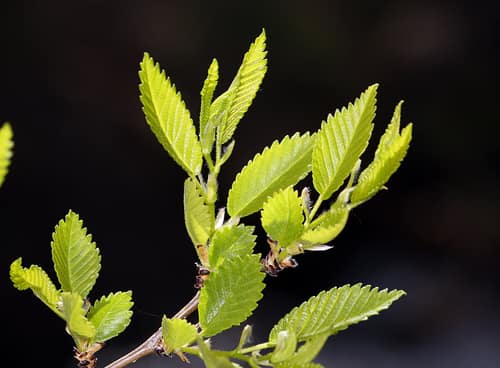
Close Relative (c) Steve Matson, some rights reserved (CC BY), uploaded by Steve Matson · cc-by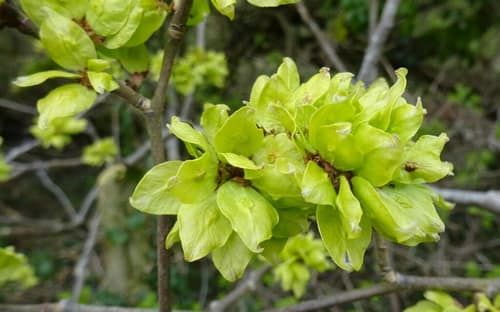
Close Relative (c) Rosser1954, some rights reserved (CC BY-SA) · cc-by-sa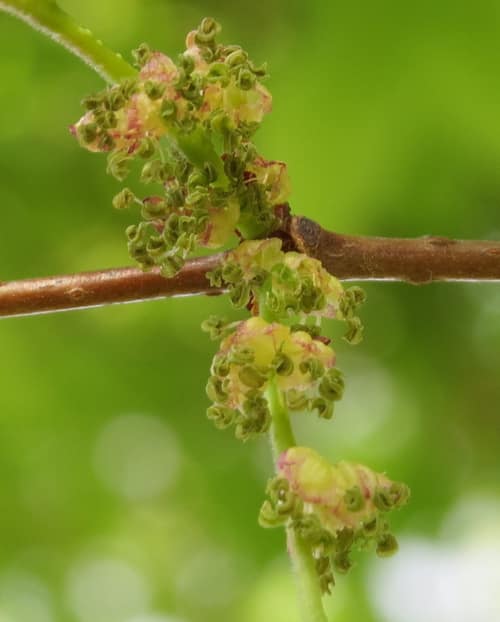
Family Member no rights reserved, uploaded by Adam Kranz · cc0
Help improve the field guideSomething wrong?
Checking your Fauna account…Report a name, category, or profile issue for review.