
Plant
Artillery Plant
Pilea microphyllaAlso known as Angeloweed, Joypowder Plant, Lace Plant, Rockweed
Artillery plants form dense, delicate mats of succulent green stems and tiny leaves that resemble miniature ferns or clubmosses. The common name comes from staminate flowers that spring open violently when mature, catapulting microscopic clouds of pollen into the air. While native to tropical and subtropical zones across the Americas, the species has readily colonized damp masonry, rock crevices, and greenhouses around the globe.
GroundcoverTropicalLow-Growing
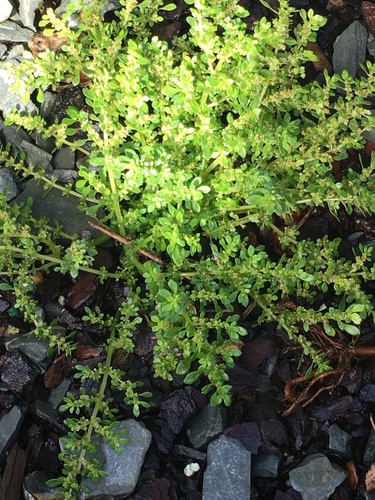
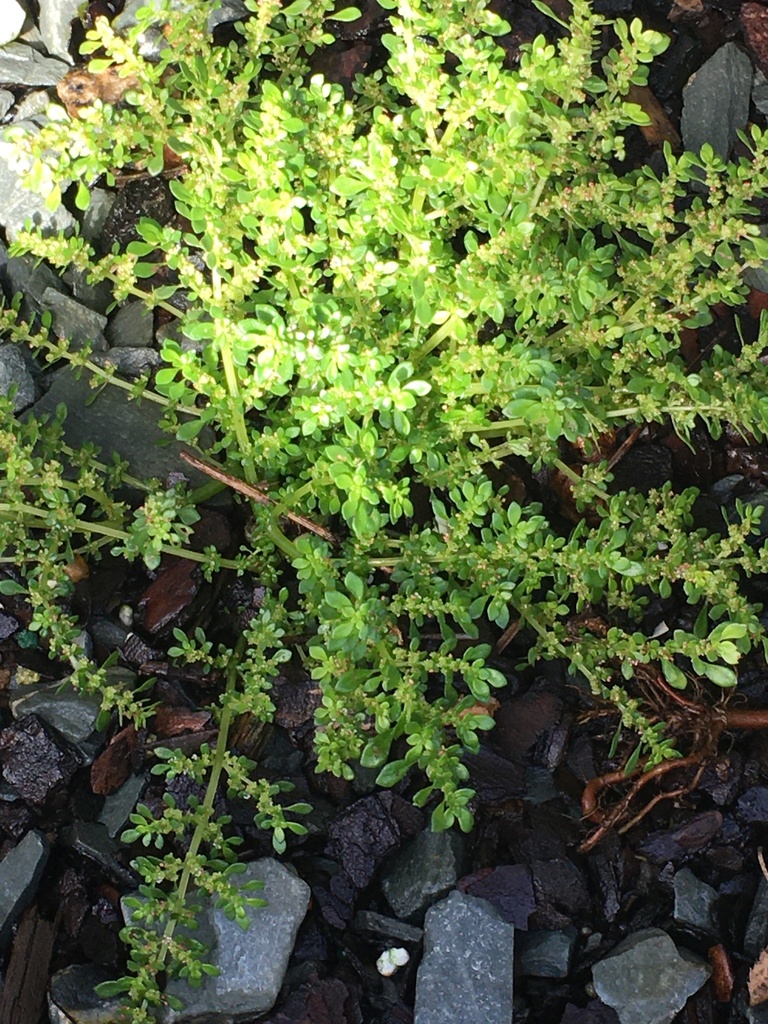
—observations
—countries
—peak records
Not EvaluatedConservation statusIUCN Red List categoriesLCNTVUENCREWEXNot Evaluated — not placed on the risk ladderRed List categories, explained →
Diet & preyAutotrophic (photosynthetic)
Predators
- Slugs
- Snails
- Spider Mites
ThreatsSevere frost, prolonged desiccation, chemical herbicide application
HabitatsMoist rock crevices, disturbed soil, damp masonry, greenhouses, tropical forest floors
Life span1–2 years (annual or short-lived perennial)
Classification
- OrderRosales
- FamilyUrticaceae
- GenusPilea
- SpeciesPilea microphylla
Range data is not available yet.
Interaction riskLow
- Low
- Moderate
- High
- Very high
- Why interaction risk is low
- Safe to observe at a normal distance.
Responsible observation
- Observing Pollen: Touch mature dry flower clusters under bright sunlight to trigger an explosive pollen puff.
- Cultivation: Provide moist, well-draining soil and partial shade when planting as a terrarium ground cover.
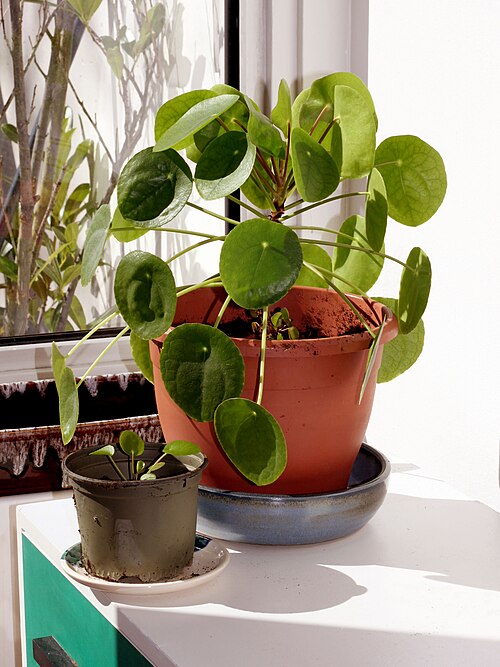
Close Relative Husky / CC0 · cc0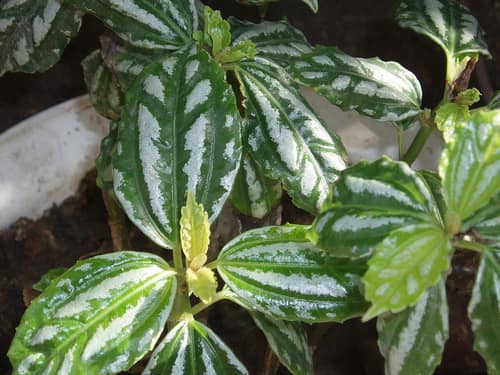
Close Relative Taken by Fanghong / CC BY-SA 3.0 · cc-by-sa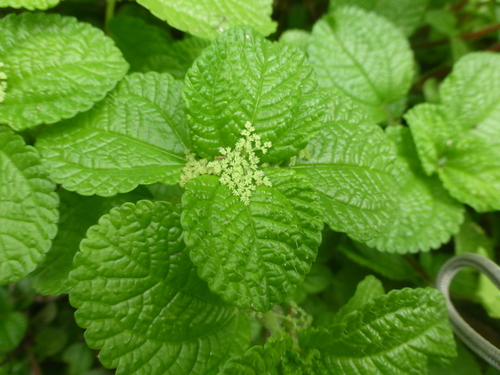
Close Relative no rights reserved, uploaded by geralg · cc0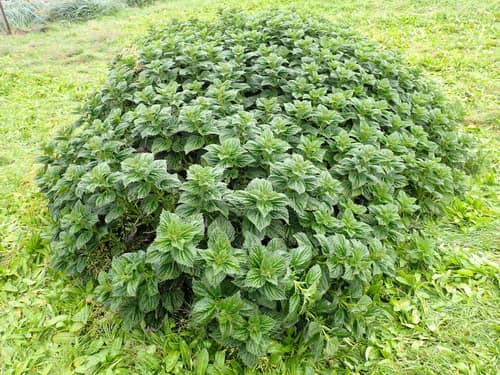
Same Family no rights reserved, uploaded by georgiasteel · cc0
Help improve the field guideSomething wrong?
Checking your Fauna account…Report a name, category, or profile issue for review.