
Flower
Purple Locoweed
Oxytropis lambertiiAlso known as Colorado Locoweed, Lambert's Crazy Weed, Purple Pointloco
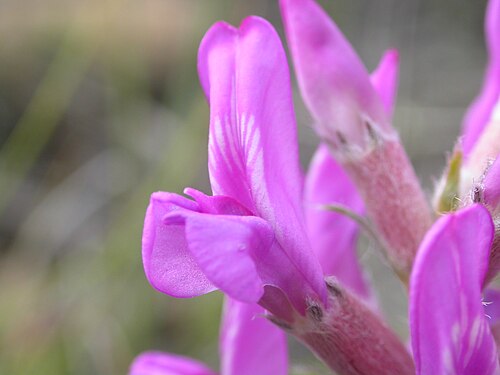
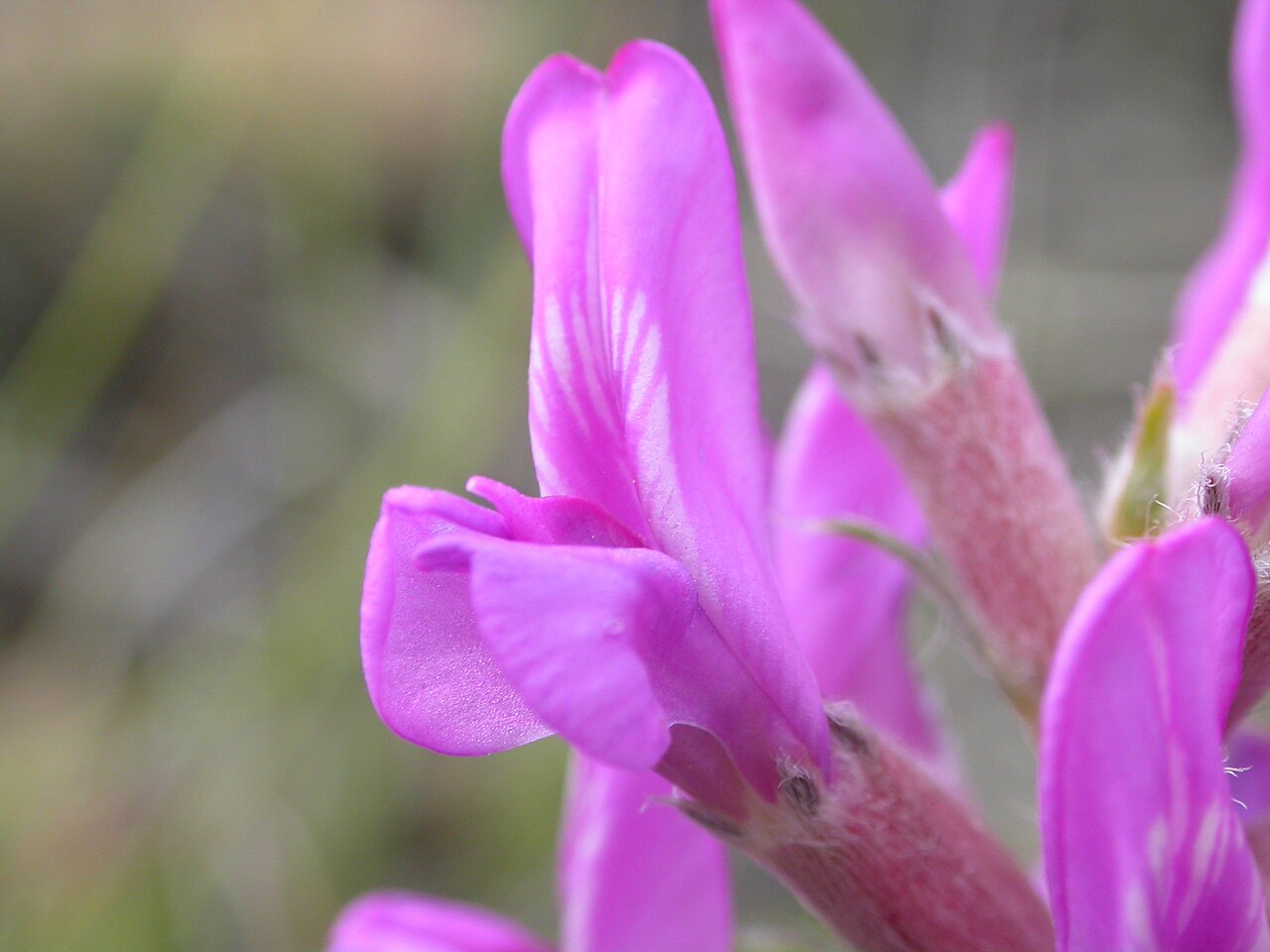
Purple locoweed produces vibrant magenta to violet spikes of pea-like flowers above silvery, silk-haired foliage in high plains and prairie habitats. Native to central and western North America, this perennial legume thrives in dry, rocky soils using a deep taproot. The plant produces swainsonine, a toxic alkaloid that causes severe neurological damage in grazing livestock known as locoperoid poisoning.
Toxic PlantPerennialFlowering
—observations
—countries
—peak records
Least ConcernConservation statusIUCN Red List categoriesLCNTVUENCREWEXLeast ConcernRed List categories, explained →
Diet & preyAutotrophic (Photosynthetic)
Predators
- Locoweed Weevil
- Grasshoppers
- Small Mammals
ThreatsHerbicide application and agricultural land conversion
HabitatsDry prairies, gravelly hills, pine woodlands, and mountain meadows
Life spanPerennial (10+ years)
Classification
- OrderFabales
- FamilyFabaceae
- GenusOxytropis
- SpeciesOxytropis lambertii
Range data is not available yet.
Interaction riskHigh
- Low
- Moderate
- High
- Very high
- Why interaction risk is high
- Contains swainsonine, which causes severe neurological poisoning in horses and cattle if ingested.
- Why it is dangerous
- Produces swainsonine, an alkaloid synthesized by endosymbiotic fungi that damages the central nervous system of cattle, horses, and sheep.
- How to recognize a risky encounter
- Look for silvery pinnate leaves without leafy stems, topped by terminal spikes of vibrant magenta to purple pea flowers with sharply pointed keels.
- What to do
- Keep livestock away from infested areas, and avoid harvesting or crushing large quantities without protective gloves.
Responsible observation
- Identification: Look for stemless silvery-green pinnate leaves arising directly from the crown beneath dense spikes of reddish-purple flowers.
- Pasture Safety: Keep grazing livestock out of fields where locoweed blooms early in spring before grasses emerge.
- Photography: Capture the distinct pointed flower keels up close without removing native vegetation.
 Image unavailable
Ecological Similar 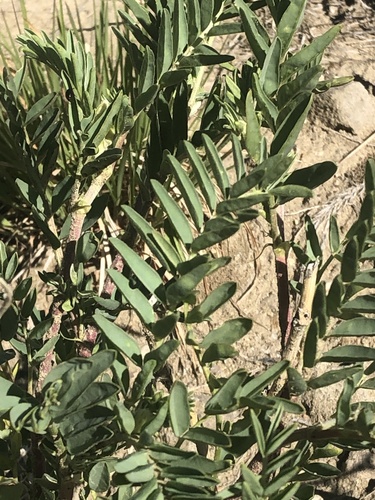
Related Legume (c) Jared Shorma, some rights reserved (CC BY), uploaded by Jared Shorma · cc-by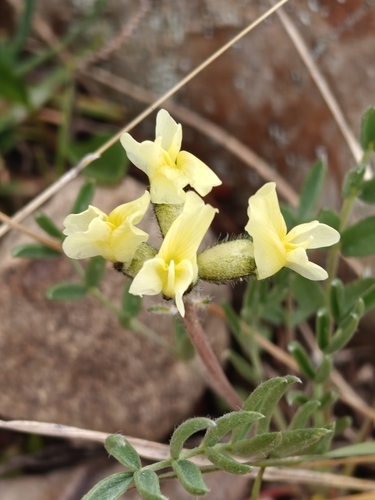
Close Relative no rights reserved · cc0
Help improve the field guideSomething wrong?
Checking your Fauna account…Report a name, category, or profile issue for review.