
Plant · GBIF taxon 5359949
Blue Palo Verde
Parkinsonia floridaBlue palo verde transforms Sonoran Desert arroyos in spring with sweeping masses of bright yellow blossoms that draw legions of native solitary bees. Its smooth, blue-green bark carries chlorophyll that allows the tree to photosynthesize even after shedding leaves during extreme summer drought. Mature trees act as vital nurse canopies across arid lowlands, sheltering frost-sensitive saguaro seedlings and desert shrubs from sun and winter freezes.
DesertFloweringDrought-Tolerant
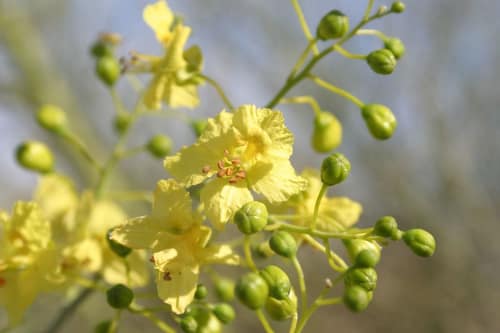
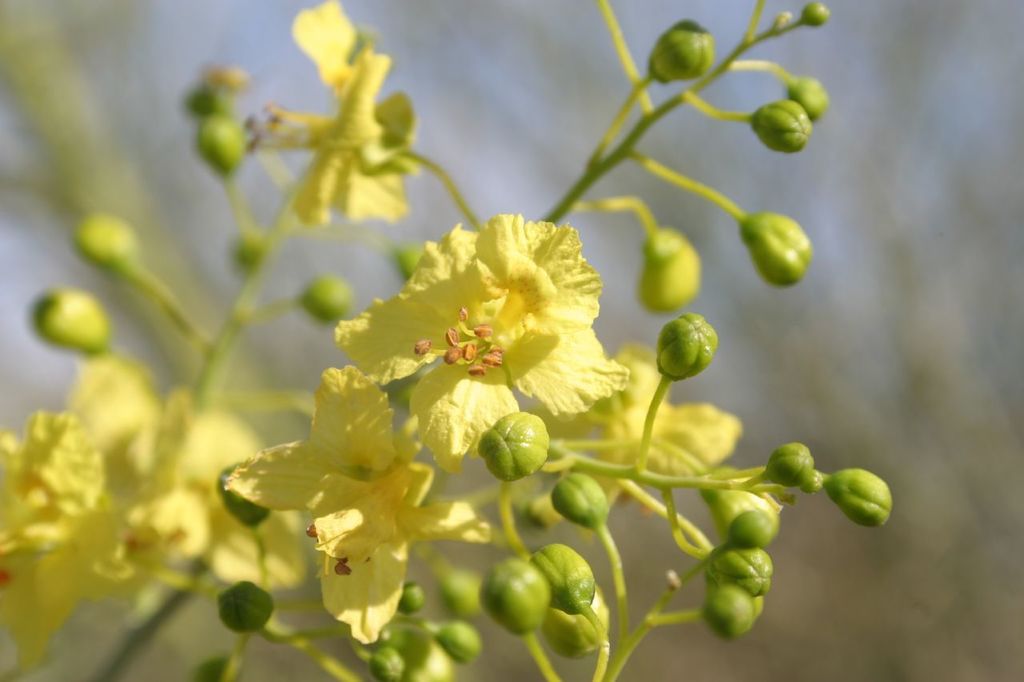
Licensed reference(c) Joe Decruyenaere, some rights reserved (CC BY-SA) · cc-by-sa
—observations
—countries
—peak records
Least ConcernConservation statusIUCN Red List categoriesLCNTVUENCREWEXLeast ConcernRed List categories, explained →
Diet & prey
- Autotrophic (photosynthetic)
Predators
- Desert bighorn sheep
- Mule deer
- Palo verde root borer
ThreatsGroundwater depletion, prolonged drought, and urban development
HabitatsDesert washes, arroyos, canyon bottoms, and sandy floodplains
Life span50–100 years
Size / weightNot available
Classification
- OrderFabales
- FamilyFabaceae
- GenusParkinsonia
- SpeciesParkinsonia florida
Range data is not available yet.
Interaction riskLow
- Low
- Moderate
- High
- Very high
- Why interaction risk is low
- Safe to observe at a normal distance; watch for short thorns on branchlets.
Responsible observation
- Peak Bloom: Search desert washes in April and May when entire canopies turn solid yellow with flowers.
- Thorny Twigs: Take care when inspecting lower branches, which carry short, sharp spines at the nodes.
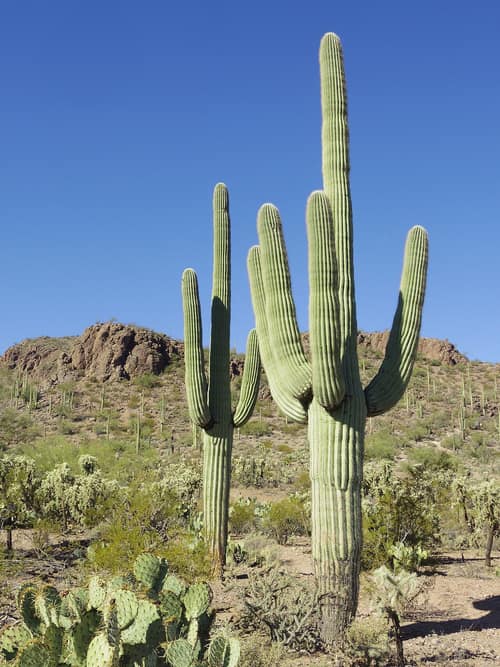
Nurse Plant Partner WClarke / CC BY-SA 3.0 · cc-by-sa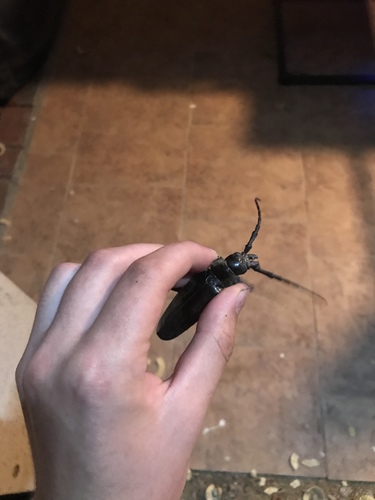
Herbivore (c) Parsa Fard, some rights reserved (CC BY), uploaded by Parsa Fard · cc-by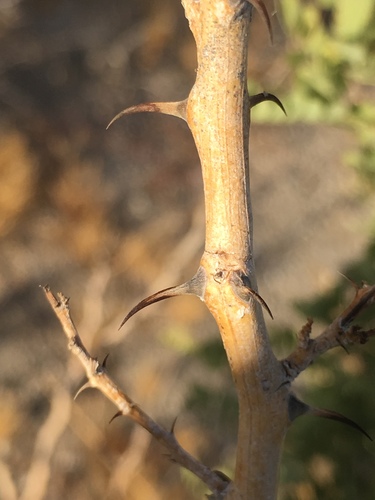
Frequent Companion (c) W. Terry Hunefeld, some rights reserved (CC BY), uploaded by W. Terry Hunefeld · cc-by
Close Relative (c) Bob Miller, some rights reserved (CC BY) · cc-by
Help improve the field guideSomething wrong?
Checking your Fauna account…Report a name, category, or profile issue for review.