
Plant
Soybean
Glycine maxAlso known as Soya Bean, Soy Bean, Edamame
Soybeans are bushy annual legumes clothed in fine brown or gray hairs, producing trifoliate leaves and small, self-fertile white to purple blossoms along the stems. Specialized nodules on their root systems host symbiotic Bradyrhizobium bacteria, enabling the plants to fix atmospheric nitrogen directly into fertile soil compounds. Harvested as a globally dominant protein and oil crop, they develop slightly curved, fuzzy pods each cradling up to four nutrient-rich seeds.
LegumeCultivatedAnnual
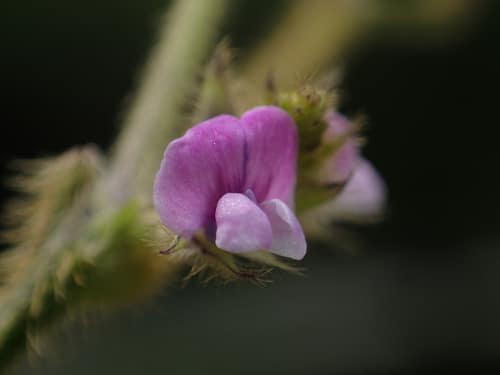
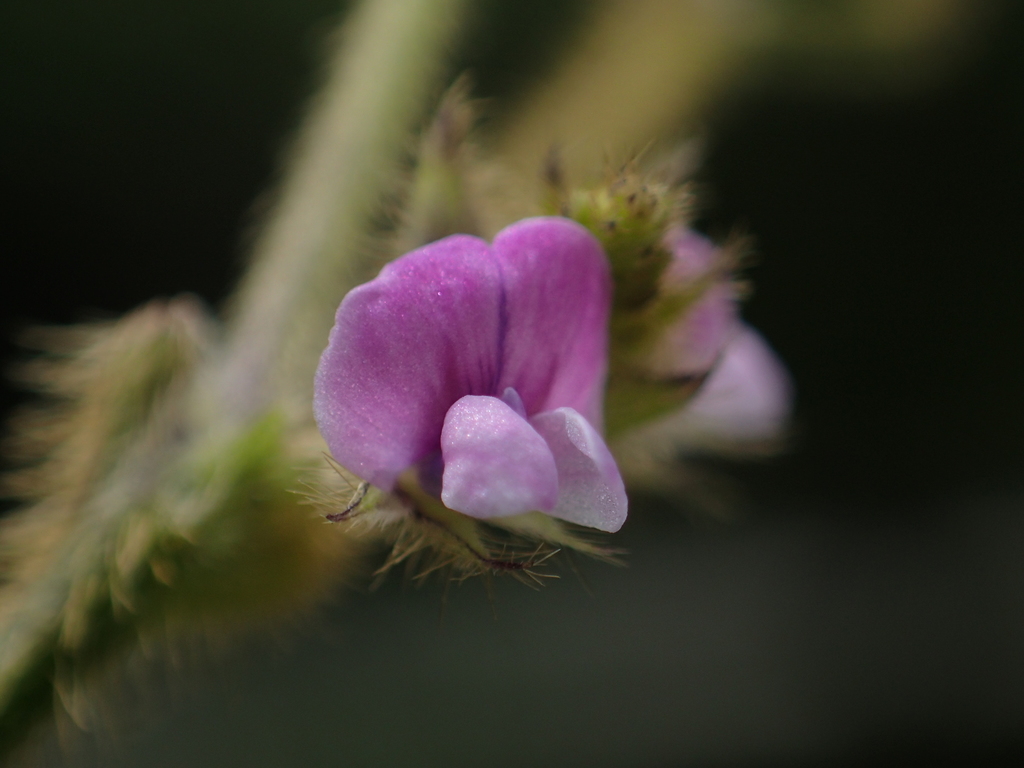
—observations
—countries
—peak records
Not EvaluatedConservation statusIUCN Red List categoriesLCNTVUENCREWEXNot Evaluated — not placed on the risk ladderRed List categories, explained →
Diet & preySunlight, Water, Atmospheric Nitrogen
Predators
- Soybean Aphid
- Japanese Beetle
- White-tailed Deer
ThreatsFungal blights, insect pests, drought stress, and soil degradation
HabitatsCultivated fields, agricultural plots, and occasionally disturbed field borders
Life span4–6 months
Classification
- OrderFabales
- FamilyFabaceae
- GenusGlycine
- SpeciesGlycine max
Range data is not available yet.
Interaction riskLow
- Low
- Moderate
- High
- Very high
- Why interaction risk is low
- Safe to observe at a normal distance.
Responsible observation
- Field Etiquette: Remain along perimeter paths and avoid stepping through farm plantings without permission.
- Nodule Inspection: Gently uncover upper roots on harvested plants to see nitrogen-fixing root nodules.
 Image unavailable
Wild Ancestor 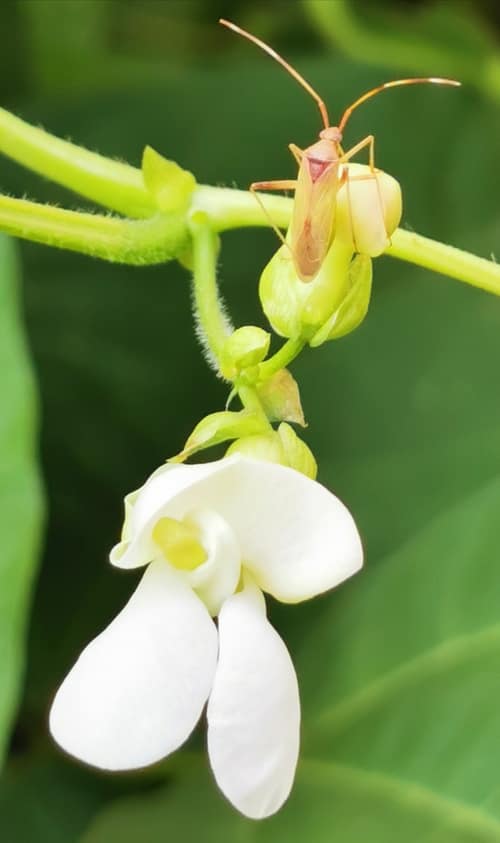
Same Family (c) M. Socorro González Elizondo, some rights reserved (CC BY-SA), uploaded by M. Socorro González Elizondo · cc-by-sa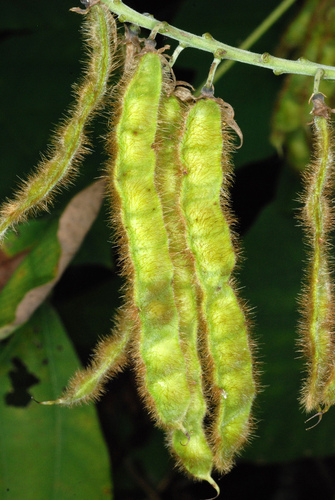
Same Family (c) Douglas Goldman, some rights reserved (CC BY-SA), uploaded by Douglas Goldman · cc-by-sa
Help improve the field guideSomething wrong?
Checking your Fauna account…Report a name, category, or profile issue for review.