
Plant
Rabbitfoot Clover
Trifolium arvenseAlso known as Hare's-foot Clover, Stone Clover, Oldfield Clover
Rabbitfoot clover earns its name from its soft, cylindrical pinkish-grey flower heads that resemble tiny fuzzy paws. Silken hairs cover the small calyxes, protecting the blooms and helping the plant conserve moisture in dry, nutrient-poor conditions. Like many legumes, it hosts nitrogen-fixing bacteria in root nodules, allowing it to flourish in degraded fields and gravelly roadsides.
FloweringNitrogen FixerWildflower
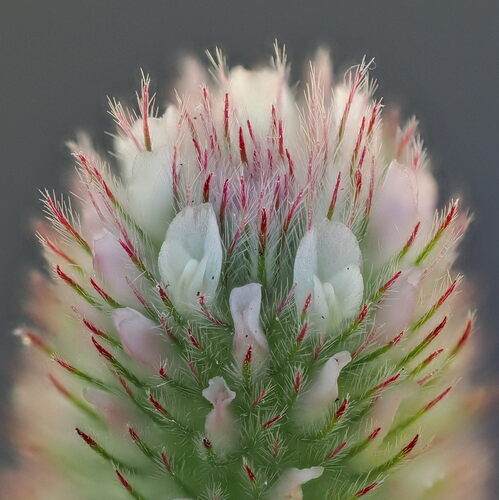
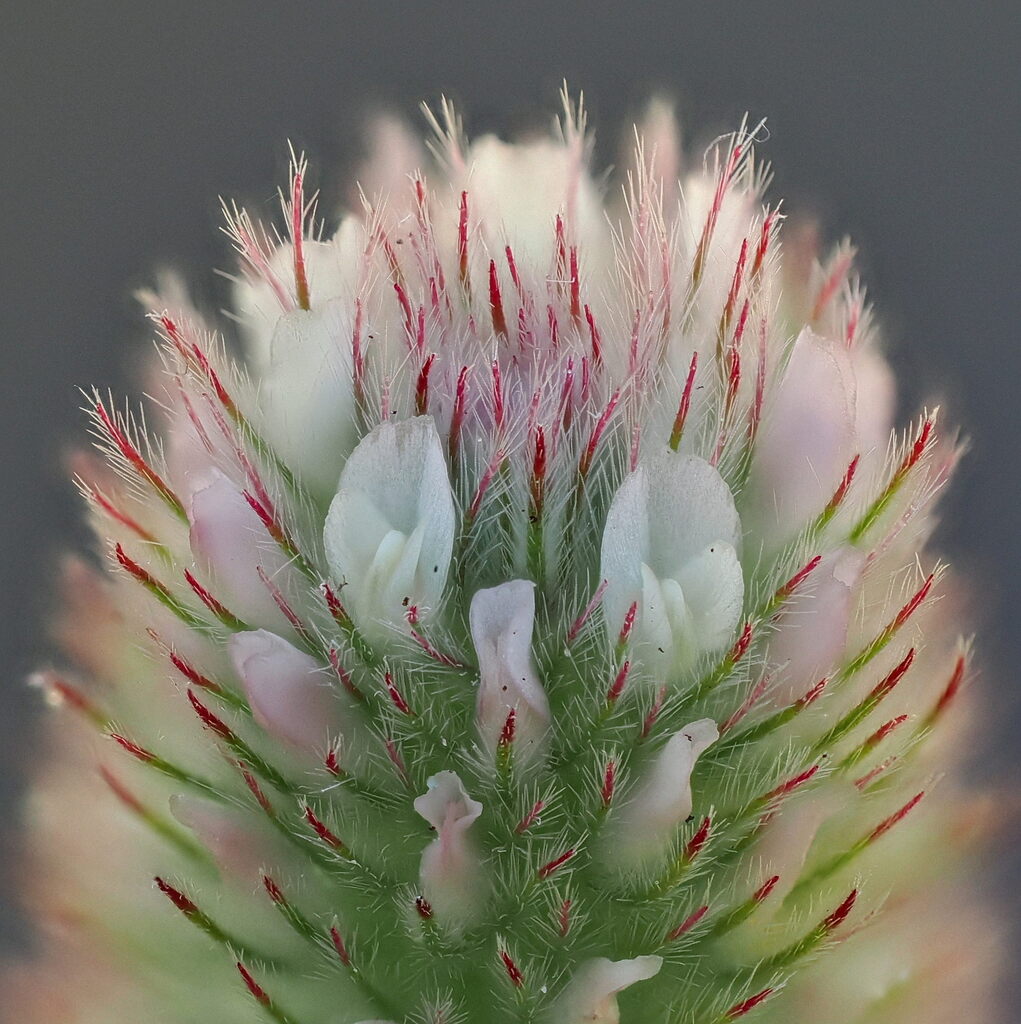
—observations
—countries
—peak records
Least ConcernConservation statusIUCN Red List categoriesLCNTVUENCREWEXLeast ConcernRed List categories, explained →
Diet & preyAutotrophic (Photosynthetic)
Predators
- Grazing Mammals
- Caterpillars
- Grasshoppers
ThreatsHerbicide spraying, intensive agriculture
HabitatsFields, dry pastures, roadsides, sandy soils
Life spanAnnual
Classification
- OrderFabales
- FamilyFabaceae
- GenusTrifolium
- SpeciesTrifolium arvense
Range data is not available yet.
Interaction riskLow
- Low
- Moderate
- High
- Very high
- Why interaction risk is low
- Safe to observe at a normal distance.
Responsible observation
- Observing fuzzy blooms: Examine the soft flower heads from late spring through summer.
- Habitat spotting: Look along gravelly roadsides, sand dunes, and dry, disturbed soil patches.
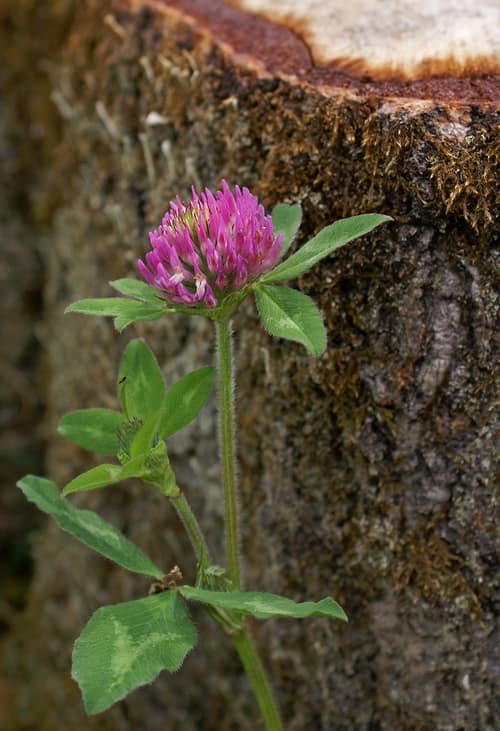
Close Relative "Red Clover" by randihausken is licensed under CC BY-SA 2.0. To view a copy of this license, visit https://creativecommons.org/licenses/by-sa/2.0/. · cc-by-sa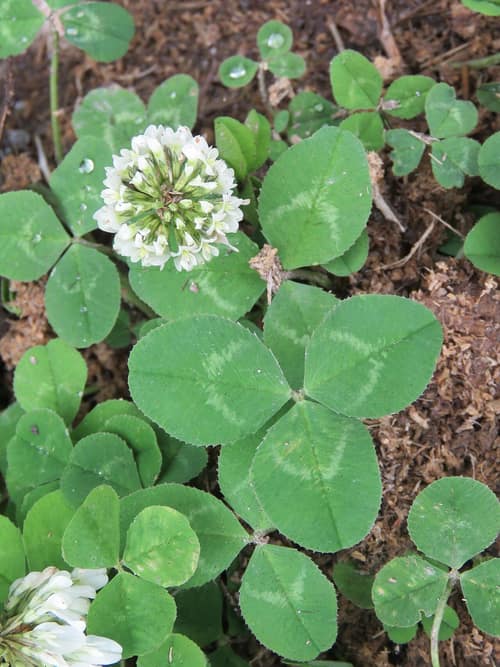
Close Relative Vinayaraj / CC BY-SA 4.0 · cc-by-sa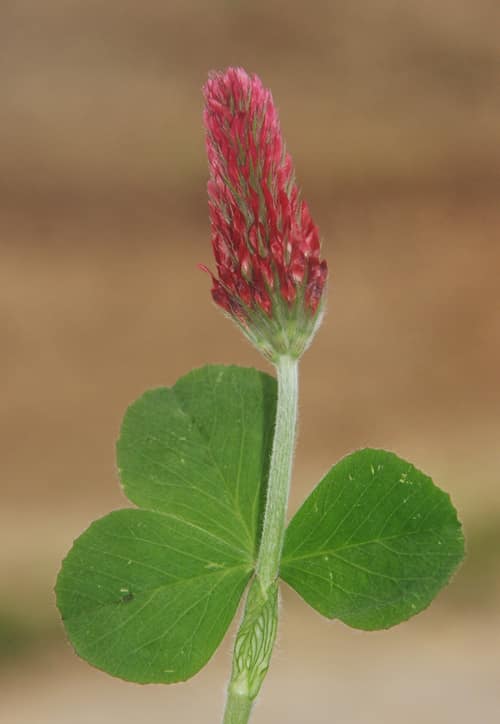
Close Relative Bernd Haynold / CC BY 2.5 · cc-by
Help improve the field guideSomething wrong?
Checking your Fauna account…Report a name, category, or profile issue for review.