
Plant
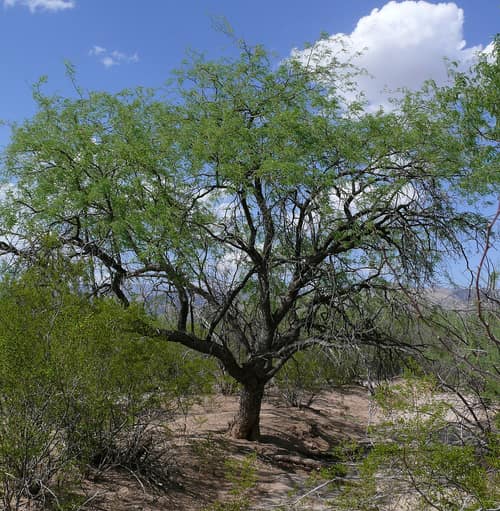
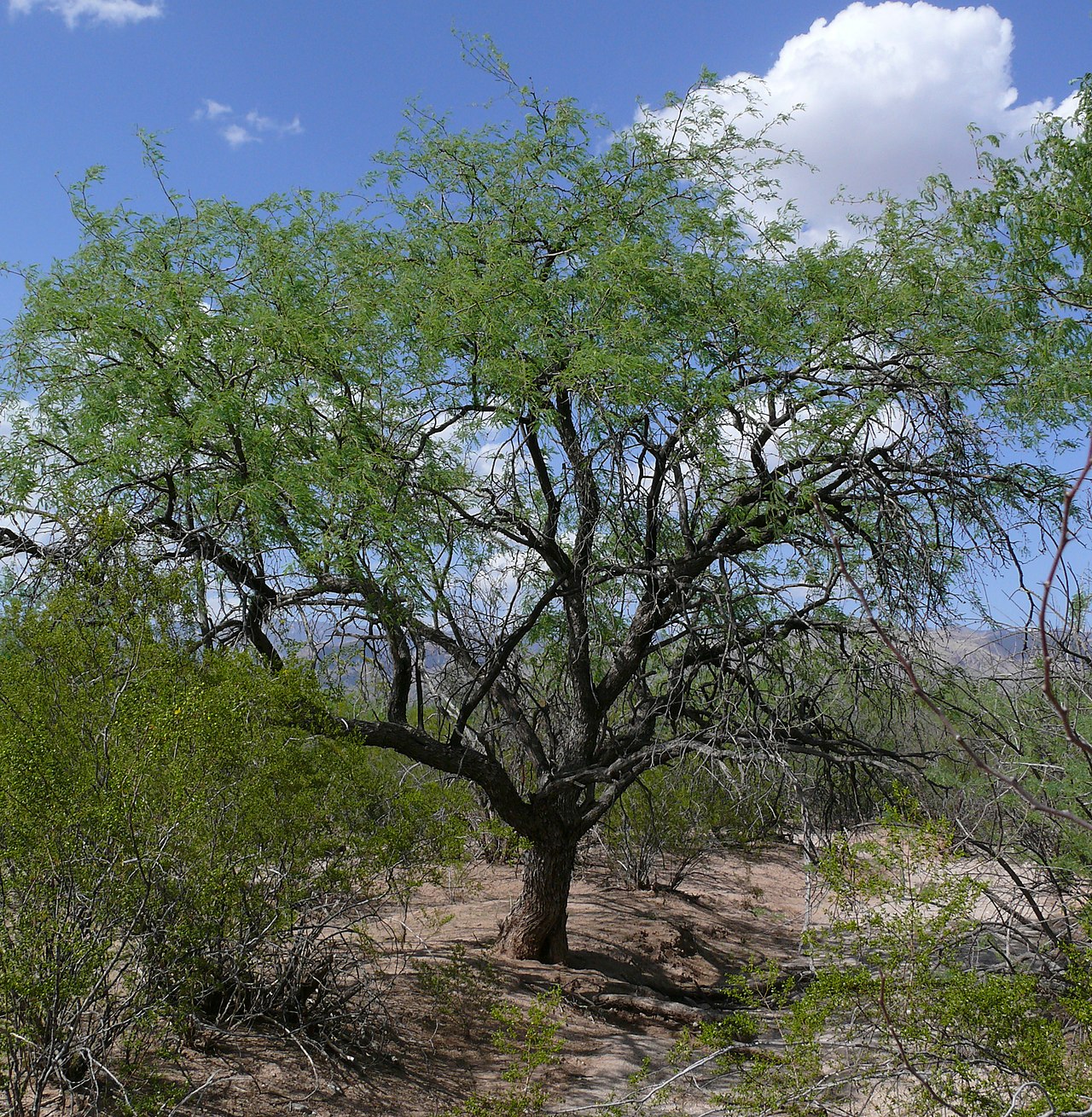
Velvet Mesquite
Prosopis velutinaAlso known as Velvet-pod Mesquite, Sonoran Mesquite, Arizona Mesquite
Velvet mesquite anchors Sonoran Desert ecosystems, using an extraordinarily deep taproot to draw water from subterranean aquifers. Dense stands along desert washes produce velvet-soft leaflets and long, protein-rich seed pods that nourish countless desert animals. Its nitrogen-fixing roots enrich harsh arid soils, creating fertile nurse plants under which native shrubs and cacti readily germinate.
Desert NativeNitrogen FixerDrought Tolerant
—observations
—countries
—peak records
Least ConcernConservation statusIUCN Red List categoriesLCNTVUENCREWEXLeast ConcernRed List categories, explained →
Diet & preyPhotosynthetic
Predators
- Desert Cottontail
- Javelina
- Cattle
ThreatsGroundwater depletion, land clearing, invasive grass fires
HabitatsDesert washes, alluvial flats, arid grasslands
Life span100–200 years
Classification
- OrderFabales
- FamilyFabaceae
- GenusProsopis
- SpeciesProsopis velutina
Range data is not available yet.
Interaction riskLow
- Low
- Moderate
- High
- Very high
- Why interaction risk is low
- Abundant pollen triggers spring allergies, and wild seed pods should not be eaten based on app identification alone.
Responsible observation
- Observation: Look for velvet-textured leaves and dense yellowish floral catkins during spring bloom.
- Thorn Safety: Watch for sharp, rigid thorns on young branches when walking near desert washes.
- Ecological Role: Check under the canopy for desert mammals seeking shade and fallen seed pods.
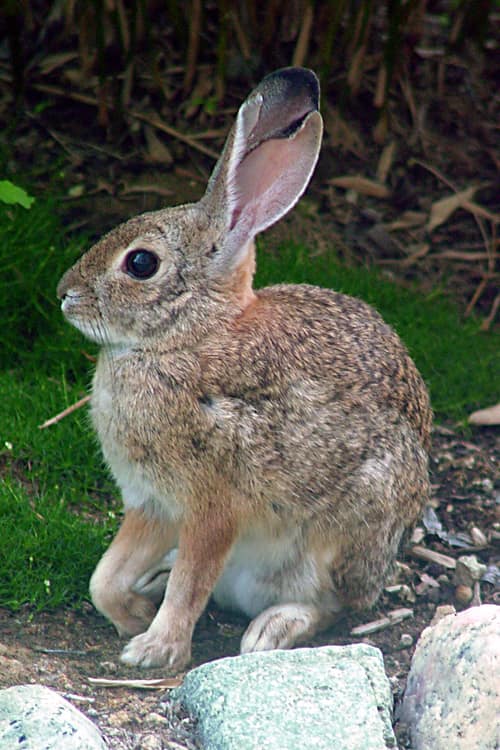
Seed Disperser Holly Cheng / CC BY-SA 3.0 · cc-by-sa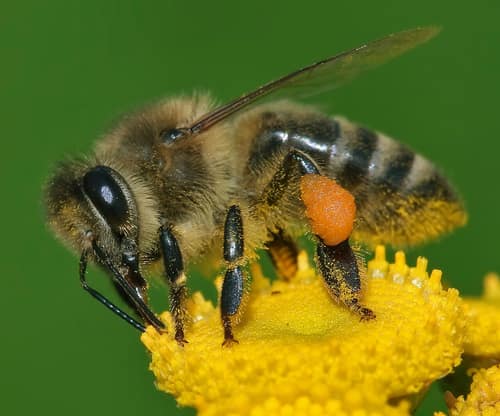
Pollinator Andreas Trepte / CC BY-SA 2.5 · cc-by-sa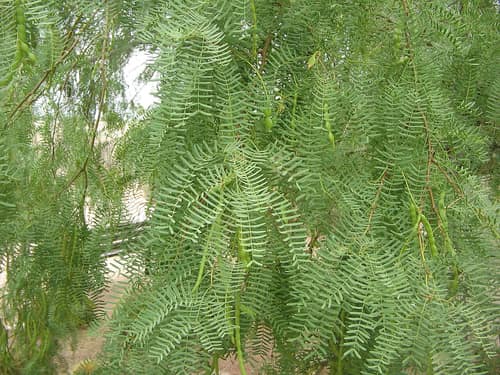
Close Relative Don A.W. Carlson / CC BY 2.5 · cc-by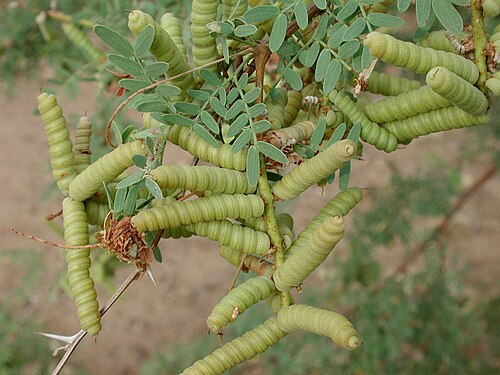
Close Relative user:pompilid / CC BY-SA 3.0 · cc-by-sa
Help improve the field guideSomething wrong?
Checking your Fauna account…Report a name, category, or profile issue for review.