
Plant
Indian Mesquite
Prosopis cinerariaAlso known as Persian Mesquite, Ghaf, Khejri, Jand
Indian mesquite is a drought-hardy desert tree whose deep taproots can plunge more than 30 meters underground to reach water tables, keeping its crown green through years of scarce rain. Its feathery, bipinnate leaves cast dappled shade that cools the desert floor and enriches sandy soils through nitrogen fixation, creating vital microhabitats for wildlife. Across arid landscapes from the Arabian Peninsula to the Thar Desert, its slender seed pods and yellow flower spikes sustain pollinators, browsers, and nesting birds.
Drought-TolerantNitrogen-FixingThorny
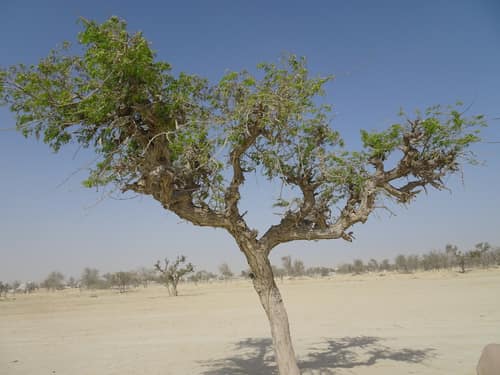
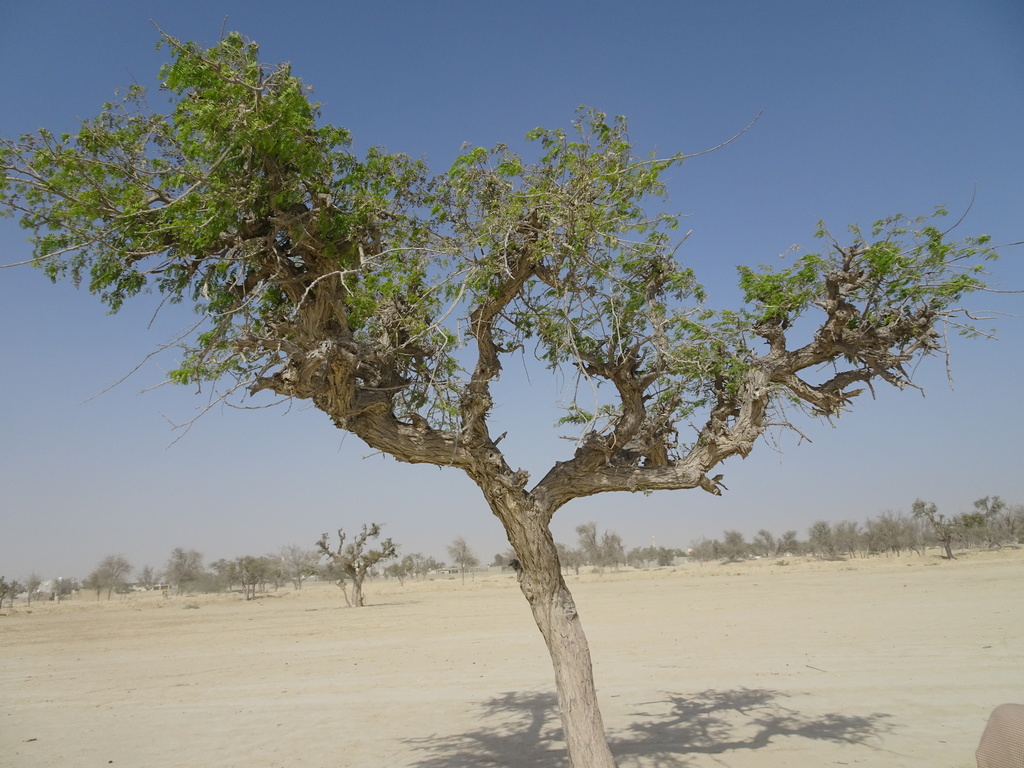
—observations
—countries
—peak records
Least ConcernConservation statusIUCN Red List categoriesLCNTVUENCREWEXLeast ConcernRed List categories, explained →
Diet & preySunlight, Soil water, Atmospheric nitrogen
Predators
- Goats
- Camels
- Bruchid beetles
ThreatsGroundwater depletion, overgrazing of seedlings, clearing for agriculture and development
HabitatsArid and semi-arid deserts, sand dunes, alluvial plains, dry scrublands
Life span100–200 years
Classification
- OrderFabales
- FamilyFabaceae
- GenusProsopis
- SpeciesProsopis cineraria
Range data is not available yet.
Interaction riskLow
- Low
- Moderate
- High
- Very high
- Why interaction risk is low
- Safe to observe at a normal distance; watch for small prickles along young branches.
Responsible observation
- Leaf Check: Look for feathery, twice-compound leaves with tiny oblong leaflets that help reduce water loss.
- Bark & Thorns: Note the rough, deeply fissured gray bark and scattered conical prickles on younger twigs.
- Wildlife Hub: Scan the shaded sand beneath the canopy for foraging birds, bees, and burrowing lizards.
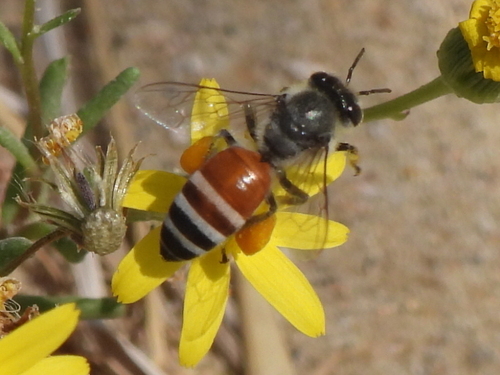
Pollinator (c) Sam Kieschnick, some rights reserved (CC BY), uploaded by Sam Kieschnick · cc-by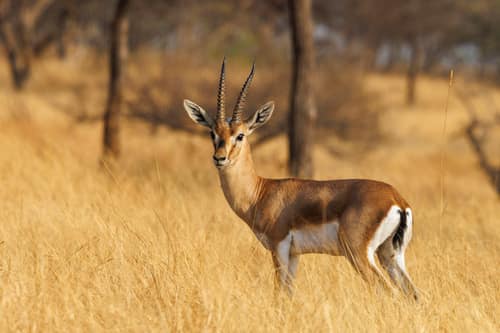
Browser (c) Ramesh Shenai Jr., some rights reserved (CC BY) · cc-by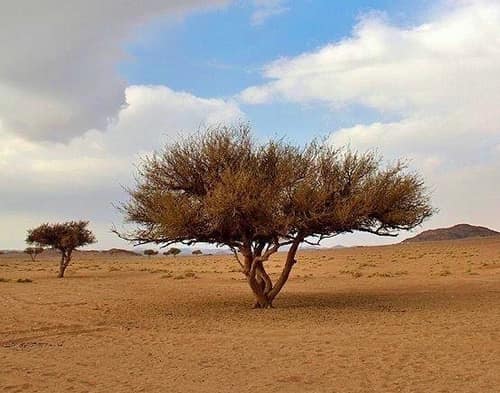
Neighbor (c) Rabah Al-Shammary, some rights reserved (CC BY), uploaded by Rabah Al-Shammary · cc-by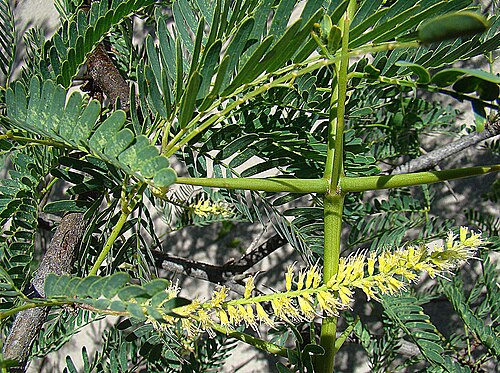
Close Relative Dick Culbert from Gibsons, B.C., Canada / CC BY 2.0 · cc-by
Help improve the field guideSomething wrong?
Checking your Fauna account…Report a name, category, or profile issue for review.