
Plant
Chilean Mesquite
Prosopis chilensisAlso known as Cupesí, Chilean Algarrobo, Algarrobo Chileno
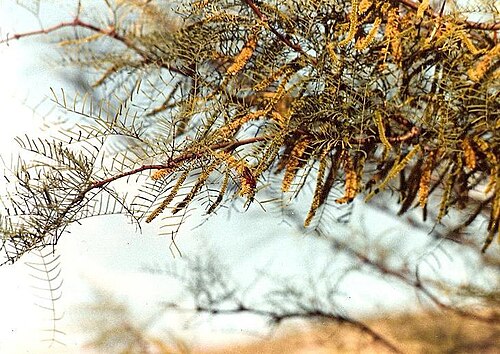
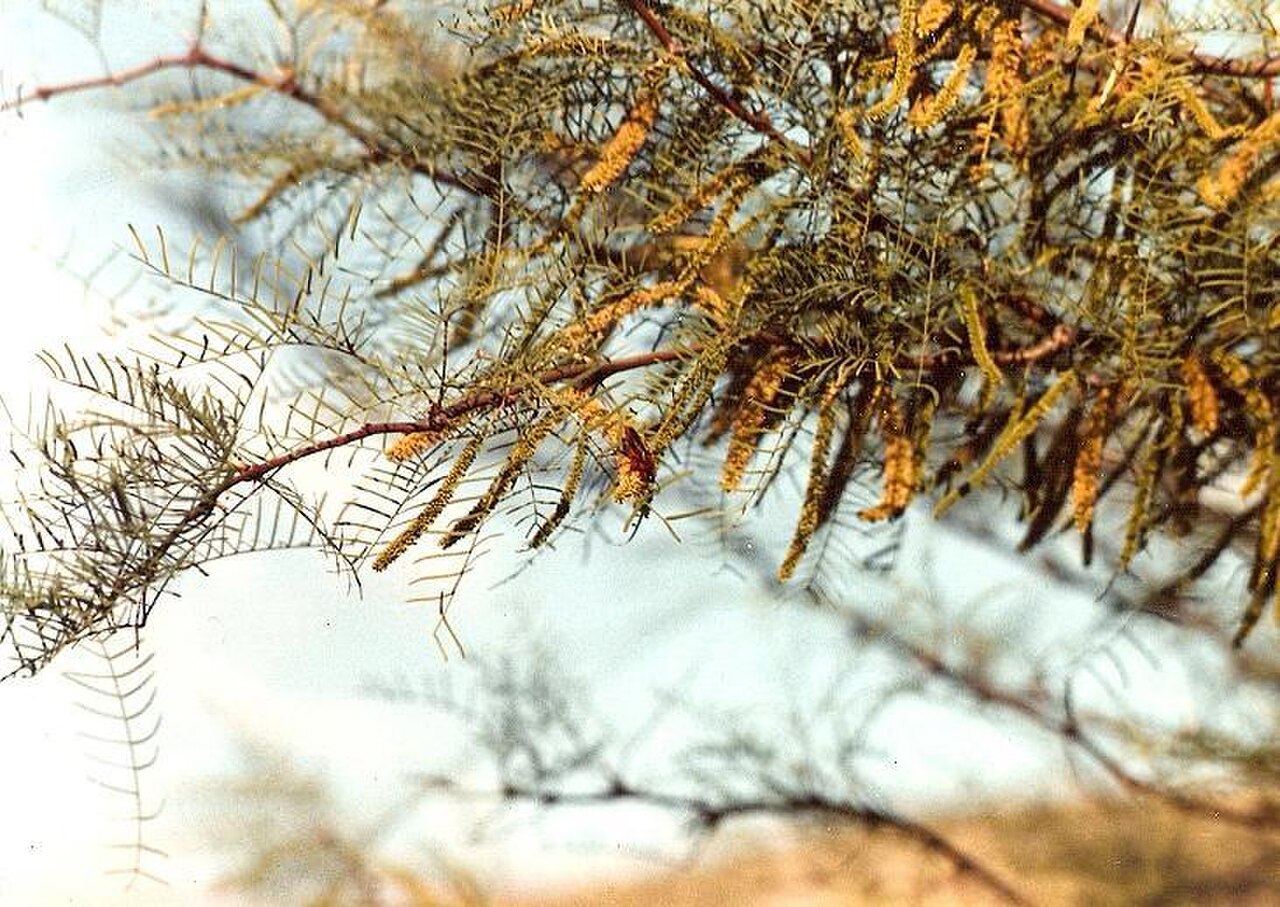
Chilean mesquites anchor fragile arid ecosystems across western South America, driving taproots tens of meters deep to reach subterranean water tables. During the spring bloom, dense catkin-like spikes of pale yellow flowers blanket the twisted, spreading canopy and attract swarms of native solitary bees. In dry valleys and foothills, these trees enrich nitrogen-depleted soils and create vital microclimates that shelter desert birds, mammals, and understory seedlings from searing solar radiation.
Drought-TolerantDeciduousNitrogen-Fixing
—observations
—countries
—peak records
VulnerableConservation statusIUCN Red List categoriesLCNTVUENCREWEXVulnerableRed List categories, explained →
Diet & preyAutotrophic (photosynthesis; symbiotic nitrogen fixation)
Predators
- Guanaco
- Livestock (goats and cattle)
- Rodents (seed predators)
ThreatsOverexploitation for firewood and charcoal, land clearance for agriculture, and overgrazing
HabitatsArid valleys, desert scrub, thorn woodlands, dry river washes, and foothills
Life span100–150 years
Classification
- OrderFabales
- FamilyFabaceae
- GenusProsopis
- SpeciesProsopis chilensis
Range data is not available yet.
Interaction riskLow
- Low
- Moderate
- High
- Very high
- Why interaction risk is low
- Wild seed pods have toxic look-alikes; never eat based on app identification alone.
- What to notice
- Look for bipinnate leaves with widely spaced linear leaflets, stout paired spines at leaf bases, and curved yellowish seed pods.
- Support conservation
- Leave pods and fallen branches in place to support natural soil conditioning and local seed recruitment.
Responsible observation
- Spine Awareness: Watch for rigid, paired nodal spines on low-hanging branches that easily puncture skin or clothing.
- Canopy Scanning: Search the dappled understory shade during midday heat to spot birds and desert mammals resting out of the sun.
 Image unavailable
Frequent Companion 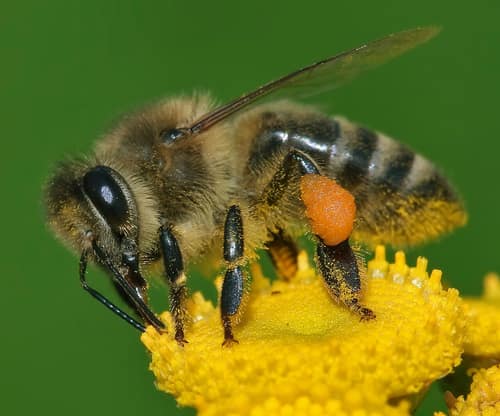
Pollinator Andreas Trepte / CC BY-SA 2.5 · cc-by-saClose Relative 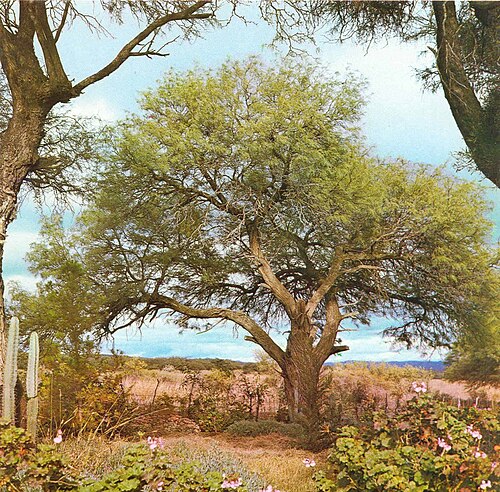
Close Relative Wikimedia Commons / Public domain · cc0
Help improve the field guideSomething wrong?
Checking your Fauna account…Report a name, category, or profile issue for review.