
Plant
Mexican Palo Verde
Parkinsonia aculeataAlso known as Jerusalem Thorn, Retama, Jelly Bean Tree, Palo De Rayo
Mexican palo verde thrives in arid landscapes across the Americas, easily distinguished by its bright green photosynthetic bark that keeps energy production going even during seasonal droughts. Golden yellow flowers burst across its weeping branches in spring, featuring a top petal that turns deep orange or red after pollination to signal visiting insects. While valued as a resilient ornamental and nectar source, its prolific seed pods float along waterways, enabling it to aggressively invade riparian zones and pastures worldwide.
Drought-TolerantFloweringArid
—observations
—countries
—peak records
Least ConcernConservation statusIUCN Red List categoriesLCNTVUENCREWEXLeast ConcernRed List categories, explained →
Diet & preyAutotrophic (photosynthetic)
Predators
- Bruchid Seed Beetle
- Domestic Goat
- Desert Cottontail
ThreatsBiological control agents, land clearing, herbicide management in invasive ranges
HabitatsArid shrublands, desert washes, grasslands, riparian corridors, disturbed roadsides
Life span20–40 years
Classification
- OrderFabales
- FamilyFabaceae
- GenusParkinsonia
- SpeciesParkinsonia aculeata
Range data is not available yet.
Interaction riskLow
- Low
- Moderate
- High
- Very high
- Why interaction risk is low
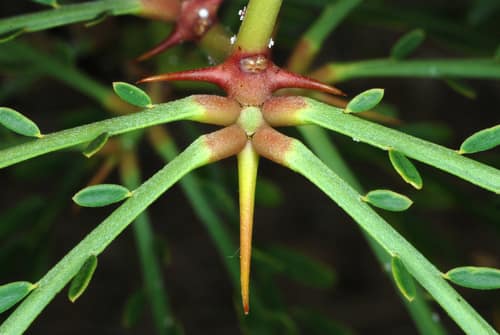
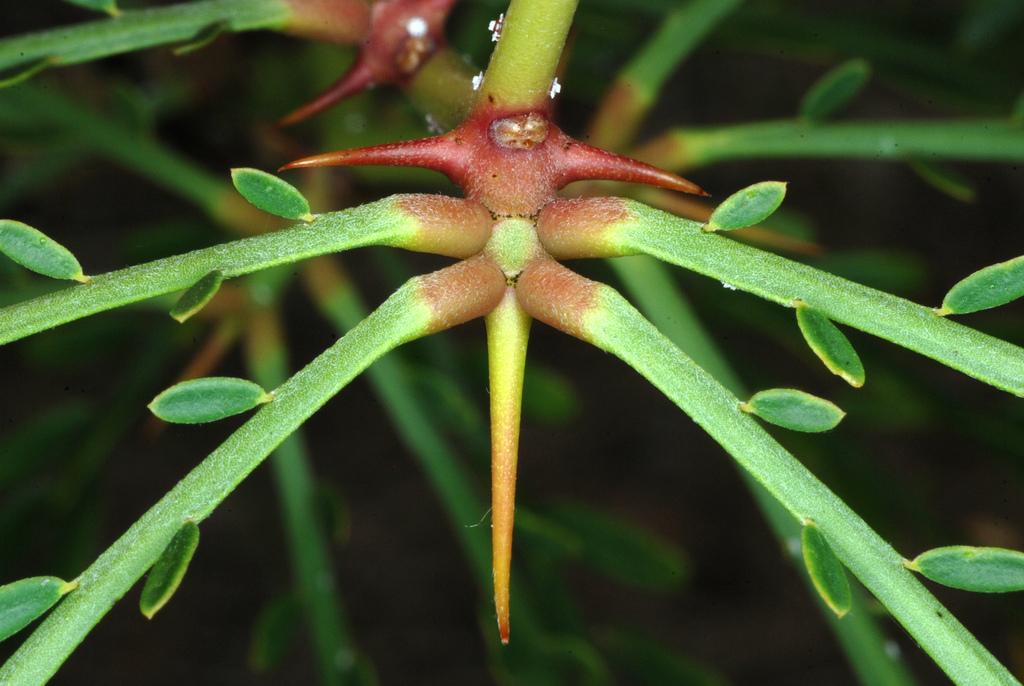
- Safe to observe at a normal distance, though twigs bear sharp paired spines.
Responsible observation
- Watch the spines: Sharp thorns line the leaf bases, so avoid reaching blindly into foliage.
- Inspect the blooms: Check flowers to see if the top petal has turned red, showing successful pollination.
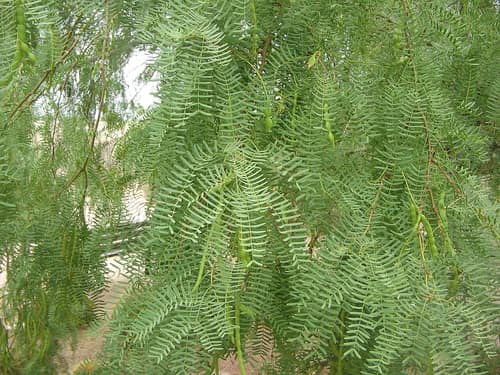
Competitor Don A.W. Carlson / CC BY 2.5 · cc-by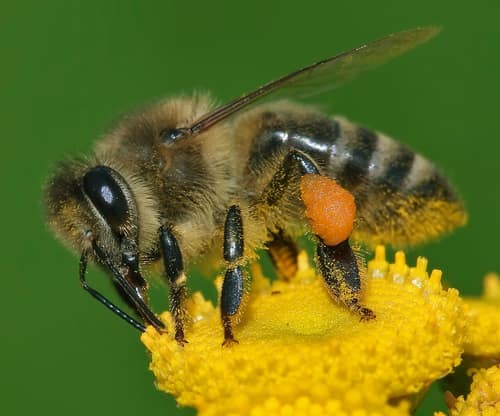
Pollinator Andreas Trepte / CC BY-SA 2.5 · cc-by-sa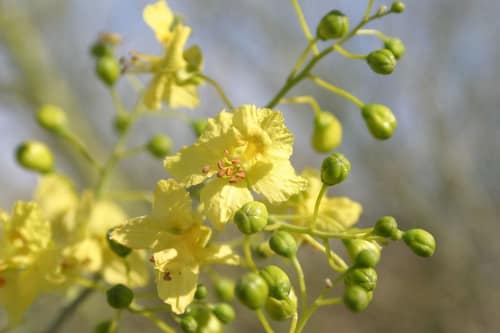
Close Relative (c) Joe Decruyenaere, some rights reserved (CC BY-SA) · cc-by-sa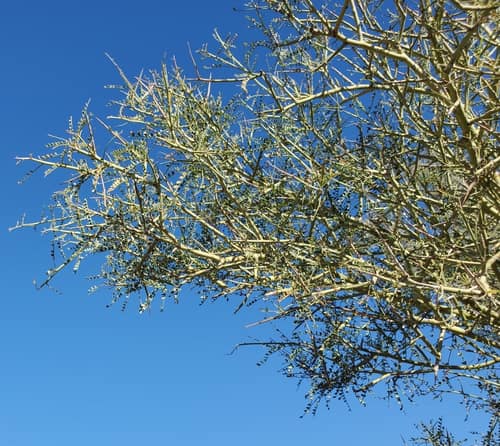
Close Relative (c) Bob Miller, some rights reserved (CC BY) · cc-by
Help improve the field guideSomething wrong?
Checking your Fauna account…Report a name, category, or profile issue for review.