
Plant
Bird's-foot Trefoil
Lotus corniculatusAlso known as Common Bird's-Foot Trefoil, Eggs and Bacon, Birdsfoot Deervetch
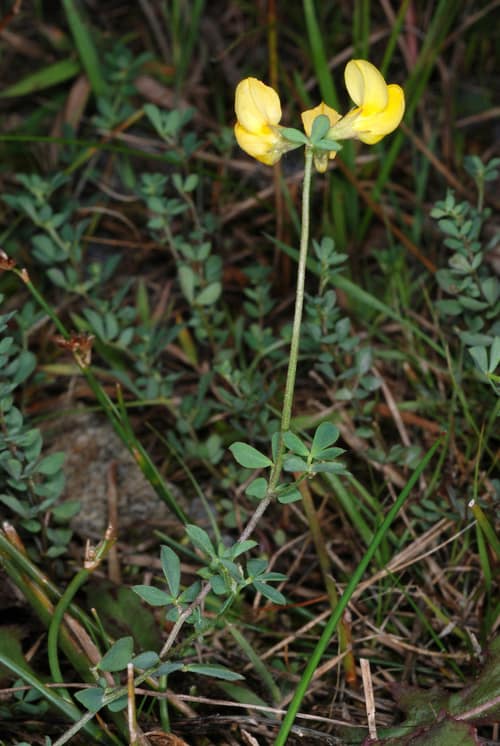
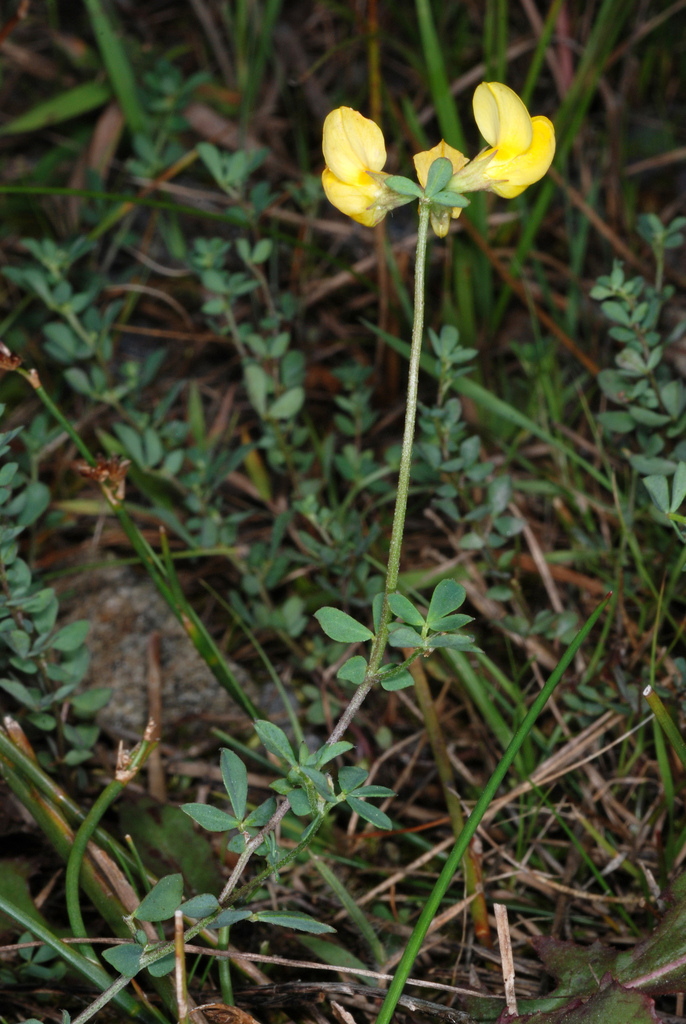
Bright yellow clusters of pea-like blossoms streaked with orange give bird's-foot trefoil its cheerful appearance and traditional nickname, eggs and bacon. Its common name describes the dark, radiating seed pods that resemble a tiny bird's foot clinging to the stem. As a nitrogen-fixing legume, this plant enriches surrounding soil while providing vital nectar for wild pollinators and host foliage for butterfly caterpillars.
FloweringNitrogen FixerWildflower
—observations
—countries
—peak records
Least ConcernConservation statusIUCN Red List categoriesLCNTVUENCREWEXLeast ConcernRed List categories, explained →
Diet & preySunlight, Water, Atmospheric nitrogen
Predators
- Grazing livestock
- Common blue butterfly caterpillars
- Snails and slugs
ThreatsHerbicide application and aggressive mowing schedules
HabitatsGrasslands, pastures, roadsides, lawns, meadows
Life span3–5 years
Classification
- OrderFabales
- FamilyFabaceae
- GenusLotus
- SpeciesLotus corniculatus
Range data is not available yet.
Interaction riskLow
- Low
- Moderate
- High
- Very high
- Why interaction risk is low
- Safe to observe at a normal distance.
Responsible observation
- Look for Seed Pods: Examine mature plants in late summer to spot the radiating pod clusters that inspired the name.
- Check for Caterpillars: Search the foliage carefully for green common blue butterfly larvae feeding on leaves.
- Observe Pollinators: Watch open flower heads on sunny days to see native bumblebees triggering the pollination mechanism.
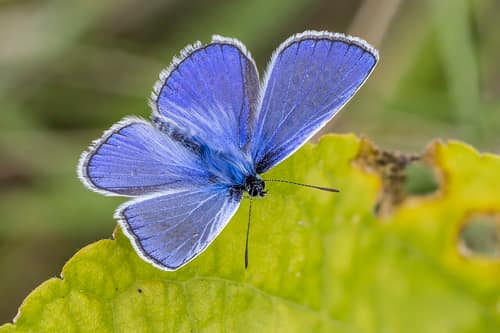
Larval Host Charles J. Sharp / CC BY-SA 4.0 · cc-by-sa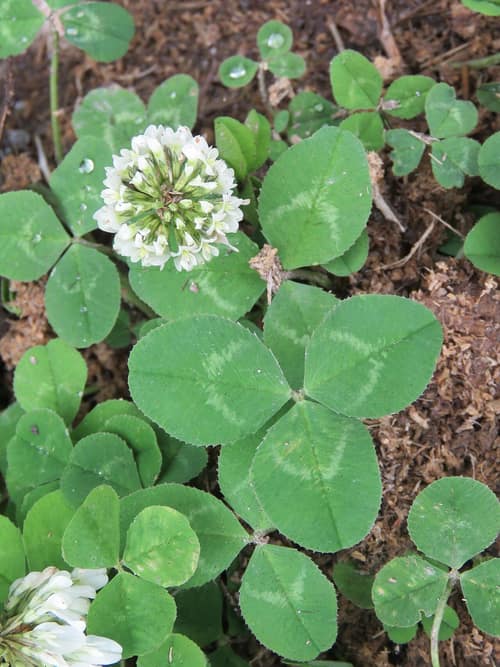
Meadow Companion Vinayaraj / CC BY-SA 4.0 · cc-by-sa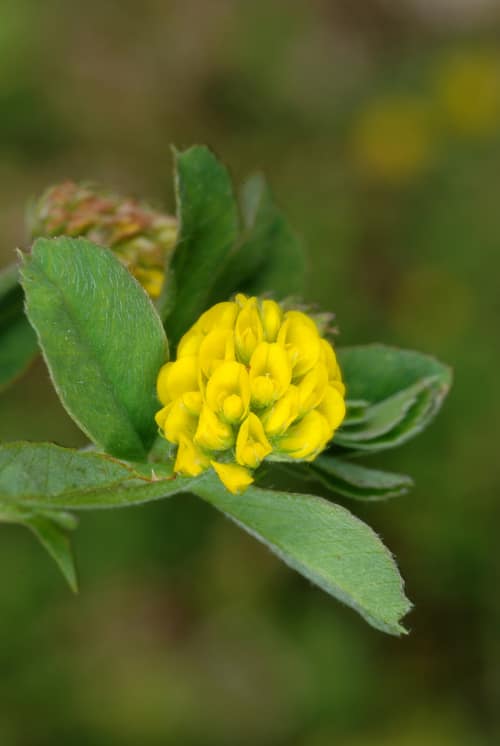
Look-Alike (c) Douglas Goldman, some rights reserved (CC BY-SA), uploaded by Douglas Goldman · cc-by-sa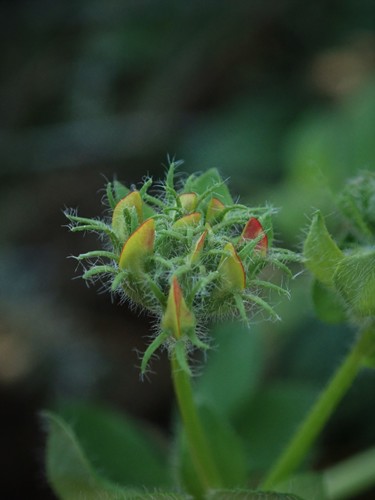
Close Relative (c) Daniel Cahen, some rights reserved (CC BY), uploaded by Daniel Cahen · cc-by
Help improve the field guideSomething wrong?
Checking your Fauna account…Report a name, category, or profile issue for review.