
Plant · GBIF taxon 5357013
Bird's-foot Trefoil
Lotus corniculatusAlso known as Common Bird's-Foot Trefoil, Eggs and Bacon, Birdsfoot Deervetch
Bright yellow clusters of pea-like blossoms streaked with orange give bird's-foot trefoil its cheerful appearance and traditional nickname, eggs and bacon. Its common name describes the dark, radiating seed pods that resemble a tiny bird's foot clinging to the stem. As a nitrogen-fixing legume, this plant enriches surrounding soil while providing vital nectar for wild pollinators and host foliage for butterfly caterpillars.
FloweringNitrogen FixerWildflower
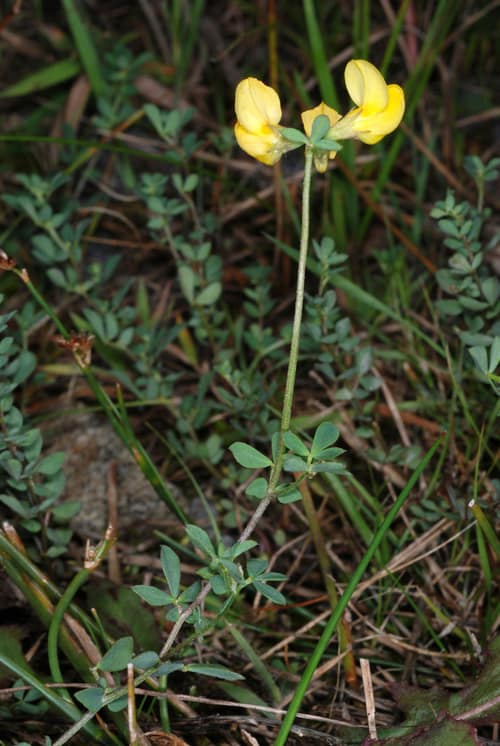
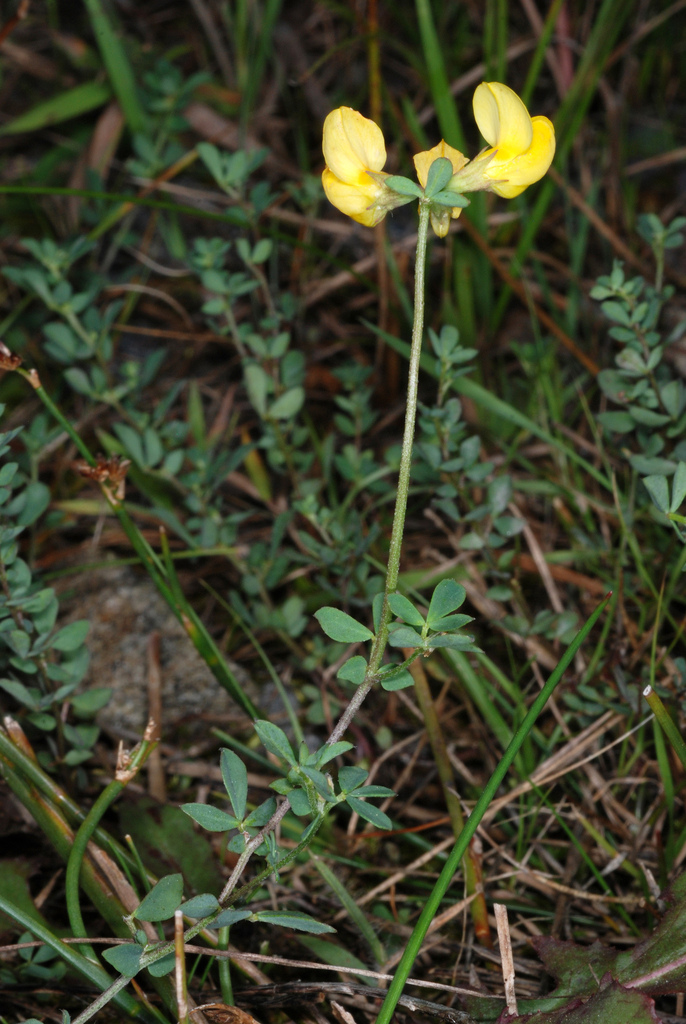 1 / 7
1 / 7—observations
—countries
—peak records
Least ConcernConservation statusIUCN Red List categoriesLCNTVUENCREWEXLeast ConcernRed List categories, explained →
Diet & prey
- Sunlight
- Water
- Atmospheric nitrogen
Predators
- Grazing livestock
- Common blue butterfly caterpillars
- Snails and slugs
ThreatsHerbicide application and aggressive mowing schedules
HabitatsGrasslands, pastures, roadsides, lawns, meadows
Life span3–5 years
Classification
- OrderFabales
- FamilyFabaceae
- GenusLotus
- SpeciesLotus corniculatus
Range data is not available yet.
Interaction riskLow
- Low
- Moderate
- High
- Very high
- Why interaction risk is low
- Safe to observe at a normal distance.
Responsible observation
- Look for Seed Pods: Examine mature plants in late summer to spot the radiating pod clusters that inspired the name.
- Check for Caterpillars: Search the foliage carefully for green common blue butterfly larvae feeding on leaves.
- Observe Pollinators: Watch open flower heads on sunny days to see native bumblebees triggering the pollination mechanism.
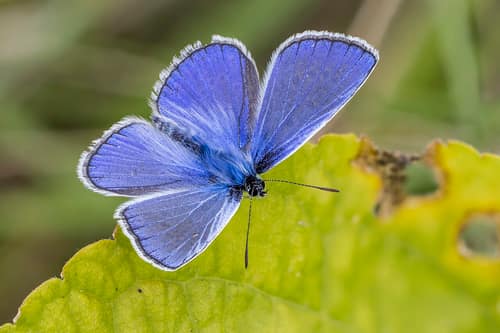
Larval Host Charles J. Sharp / CC BY-SA 4.0 · cc-by-sa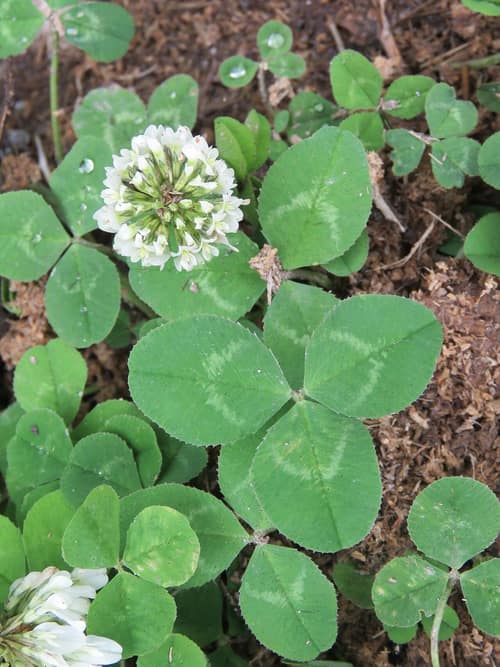
Meadow Companion Vinayaraj / CC BY-SA 4.0 · cc-by-sa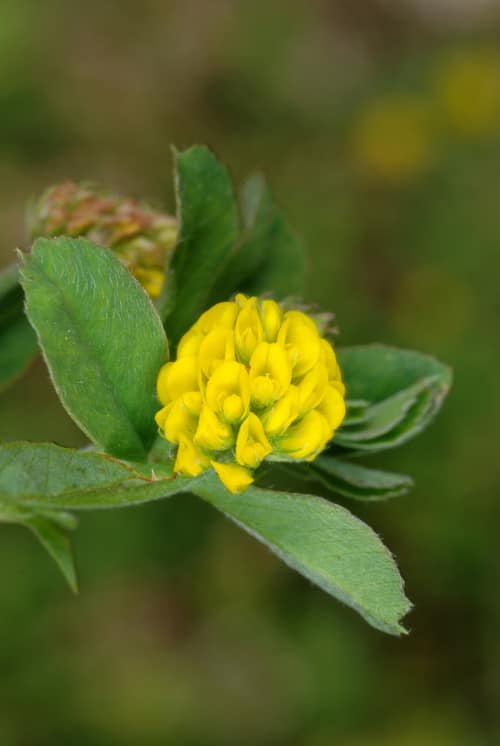
Look-Alike (c) Douglas Goldman, some rights reserved (CC BY-SA), uploaded by Douglas Goldman · cc-by-sa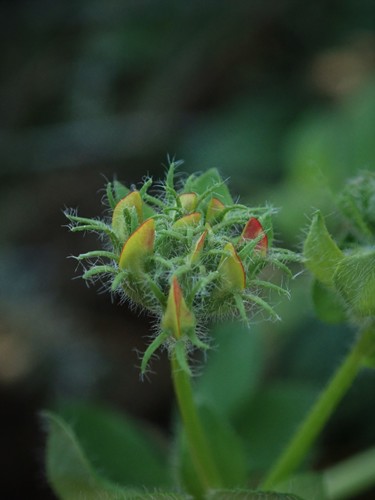
Close Relative (c) Daniel Cahen, some rights reserved (CC BY), uploaded by Daniel Cahen · cc-by
Help improve the field guideSomething wrong?
Checking your Fauna account…Report a name, category, or profile issue for review.