
Plant · GBIF taxon 5356714
Seaside Pea
Lathyrus japonicusAlso known as Sea Pea, Beach Pea, Circumpolar Pea, Sea Vetchling
Seaside peas carpet upper beaches and sand dunes with trailing stems and dense clusters of purplish-pink flowers. Specialized waxy leaves protect the plant from salt spray, while subterranean rhizomes anchor shifting sands against ocean tides. Floating seed pods drift along ocean currents, allowing colonies to establish across thousands of miles of Northern Hemisphere coastline.
CoastalFloweringWildflower
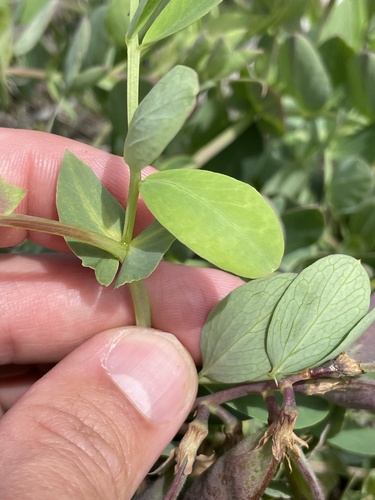
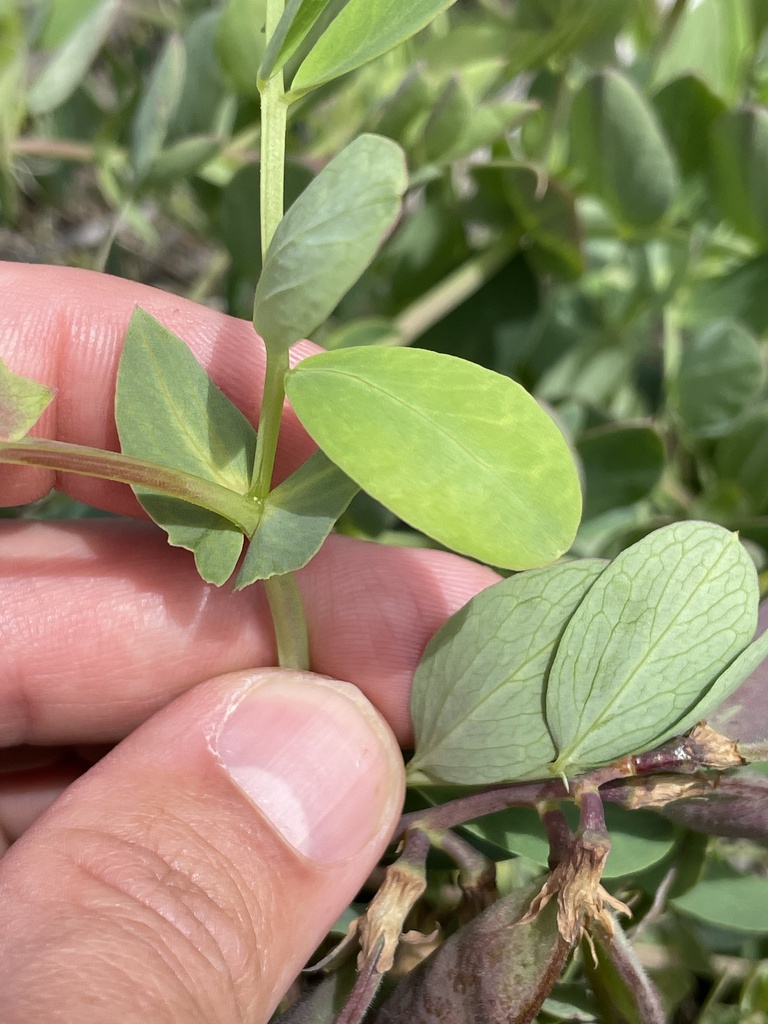
—observations
—countries
—peak records
Least ConcernConservation statusIUCN Red List categoriesLCNTVUENCREWEXLeast ConcernRed List categories, explained →
Diet & prey
- Autotrophic (Photosynthetic)
Predators
- Coastal birds
- Herbivorous insects
- Small mammals
ThreatsCoastal development, beach trampling, shoreline erosion, invasive plants
HabitatsCoastal sand dunes, shingle beaches, sea cliffs, maritime gravels
Life spanPerennial
Classification
- OrderFabales
- FamilyFabaceae
- GenusLathyrus
- SpeciesLathyrus japonicus
Range data is not available yet.
Interaction riskHigh
- Low
- Moderate
- High
- Very high
- Why interaction risk is high
- Seeds contain lathyrogens causing neurological illness if ingested; never eat wild legumes based on app identification.
- Why it is dangerous
- Contains neurotoxic amino acids that cause lathyrism, leading to severe muscle weakness or paralysis when consumed.
- How to recognize a risky encounter
- Recognized by trailing winged stems, blue-green oval leaflets, tendrils, and purplish pea blossoms on sand dunes.
- What to do
- Safe to observe from beach trails; do not pick seed pods or attempt to forage wild legumes.
Responsible observation
- Best Viewing: Look for vibrant purple blossoms along upper beach dunes from early summer through autumn.
- Identification: Check for winged stems, leaf tendrils, and broad leaf-like stipules at the base of each stalk.
- Habitat Protection: Stick to established paths on dunes to avoid damaging fragile rhizome networks.
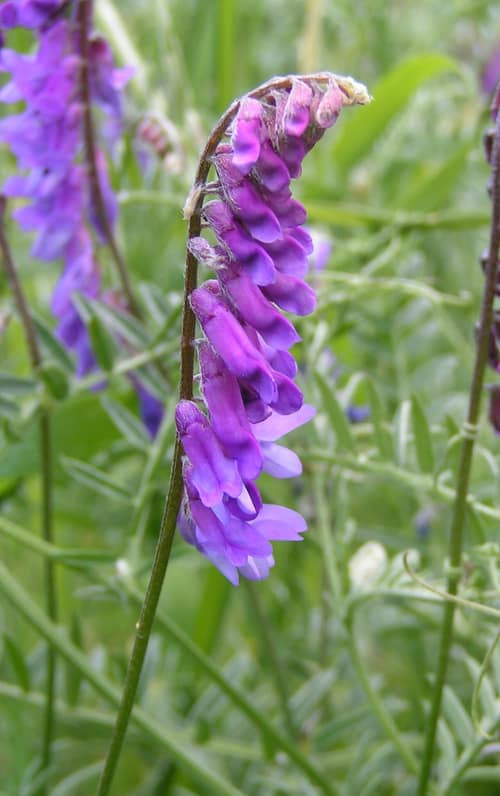
Competitor The original uploader was Sannse at English Wikipedia. / CC BY-SA 3.0 · cc-by-sa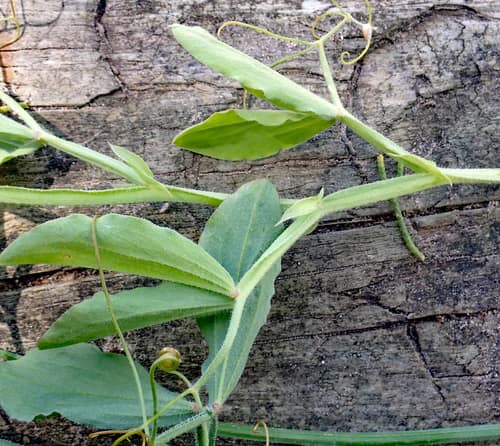
Close Relative no rights reserved, uploaded by Peter de Lange · cc0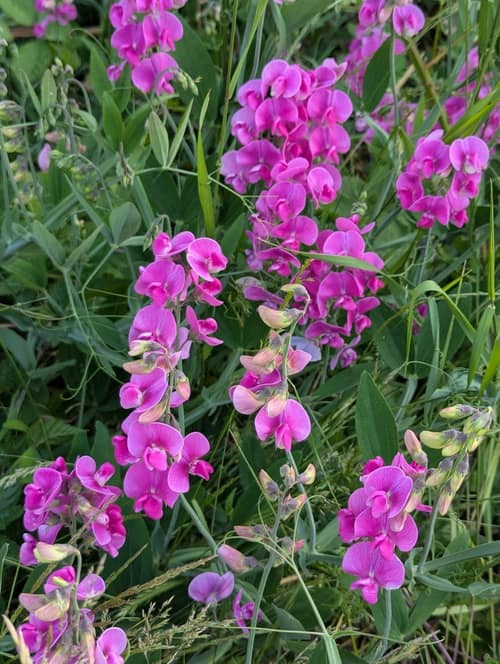
Close Relative (c) John Brew, some rights reserved (CC BY), uploaded by John Brew · cc-by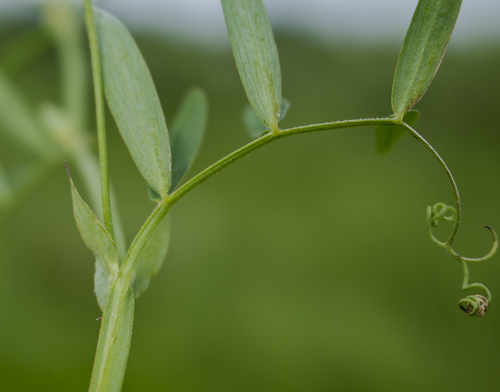
Close Relative (c) aarongunnar, some rights reserved (CC BY), uploaded by aarongunnar · cc-by
Help improve the field guideSomething wrong?
Checking your Fauna account…Report a name, category, or profile issue for review.