
Plant · GBIF taxon 5356354
Carob Tree
Ceratonia siliquaAlso known as St. John's Bread, Locust Bean, Locust Tree
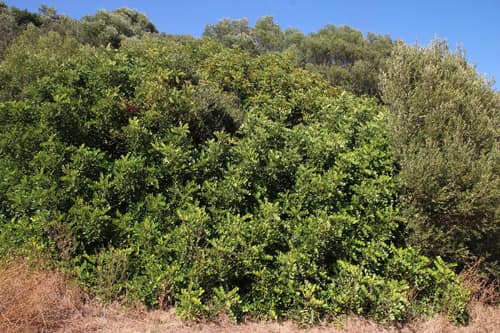
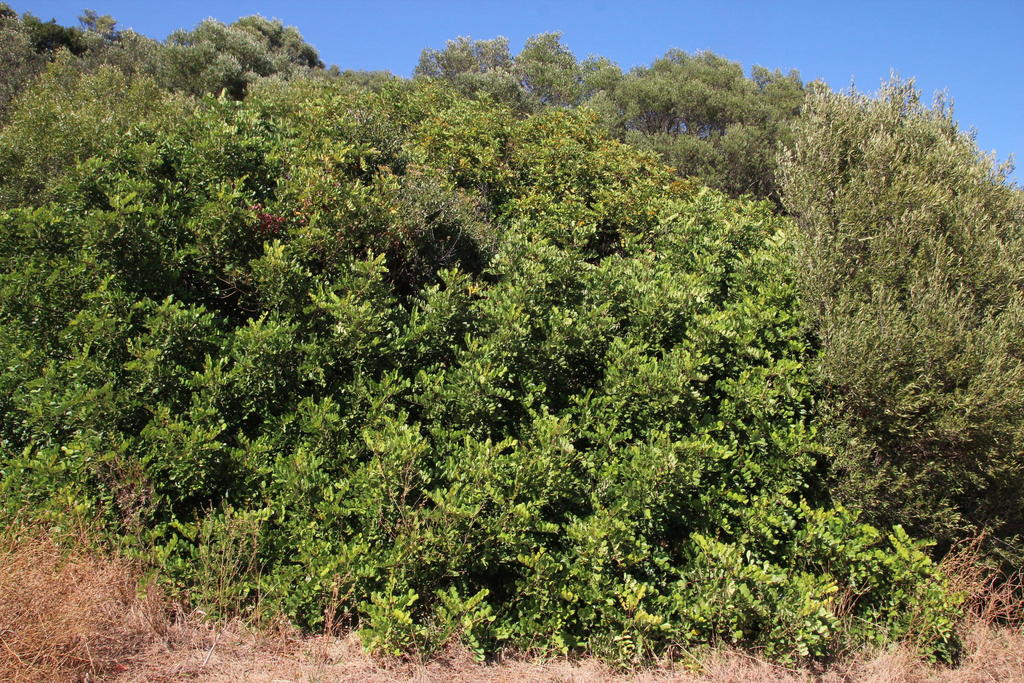
Carob trees are robust, slow-growing evergreens that anchor Mediterranean scrublands with deep taproots and dense, glossy foliage. Small, red-tinted flowers emerge directly from older branches and trunk wood in autumn, relying largely on wind and insects for pollination. The resulting leathery, dark brown pods take nearly a full year to mature, providing a critical late-season food source for woodland rodents and foraging ungulates.
EvergreenDrought-TolerantFlowering
 1 / 7
1 / 7—observations
—countries
—peak records
Least ConcernConservation statusIUCN Red List categoriesLCNTVUENCREWEXLeast ConcernRed List categories, explained →
Diet & prey
- Autotrophic (photosynthesis)
Predators
- Goats
- Carob Moth
- Rodents
ThreatsHabitat loss from coastal development, soil-borne fungal pathogens, and severe prolonged freezing events
HabitatsMediterranean woodland, maquis, rocky slopes, coastal scrub, and agricultural orchards
Life span100–200 years
Size / weightNot available
Classification
- OrderFabales
- FamilyFabaceae
- GenusCeratonia
- SpeciesCeratonia siliqua
Range data is not available yet.
Interaction riskLow
- Low
- Moderate
- High
- Very high
- Why interaction risk is low
- Wild pods and seeds have toxic look-alikes; never eat wild plants based on app identification alone.
Responsible observation
- Field Identification: Examine the pinnate leaves, which feature two to five pairs of thick, rounded, dark green leaflets.
- Seasonal Timing: Watch for cauliflorous, spike-like blossom clusters blooming directly on mature woody bark during autumn.
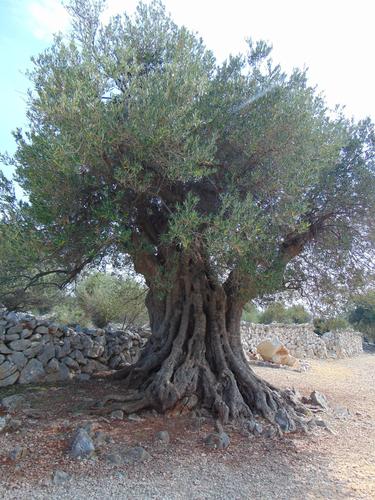
Frequent Companion no rights reserved, uploaded by viridian · cc0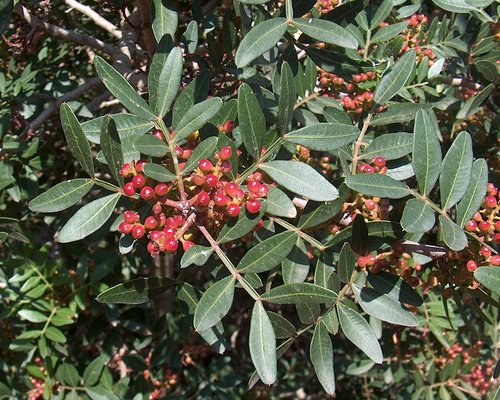
Frequent Companion (c) anonymous, some rights reserved (CC BY-SA) · cc-by-sa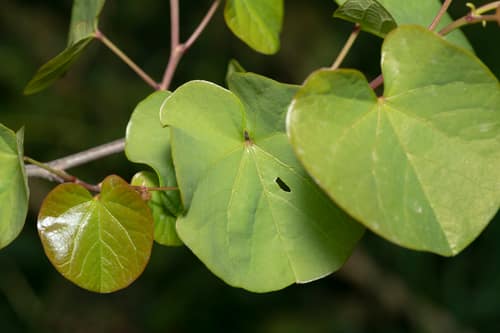
Close Relative (c) Eleftherios Katsillis, some rights reserved (CC BY), uploaded by Eleftherios Katsillis · cc-by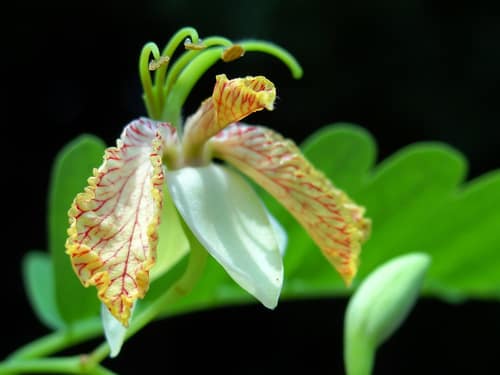
Close Relative no rights reserved, uploaded by 葉子 · cc0
Help improve the field guideSomething wrong?
Checking your Fauna account…Report a name, category, or profile issue for review.