Also known as Groundnut, Goober, Monkey Nut, Pindar
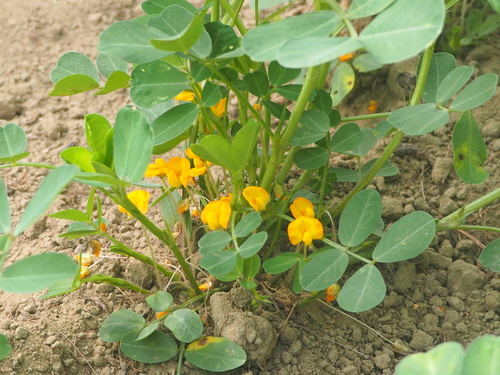
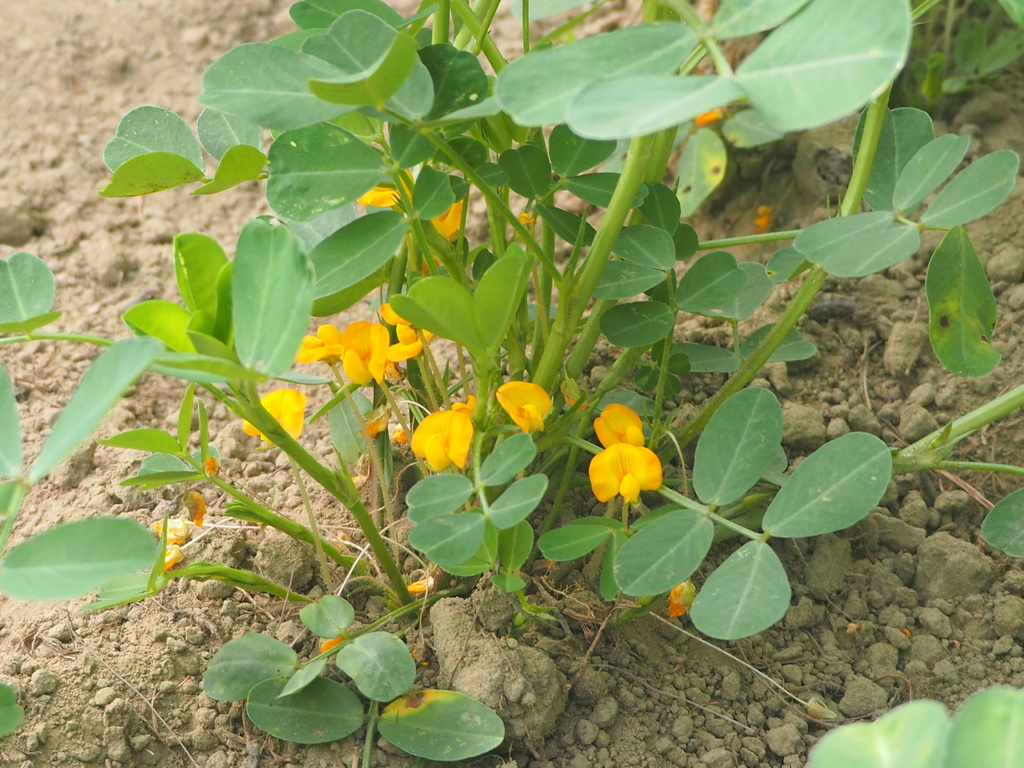
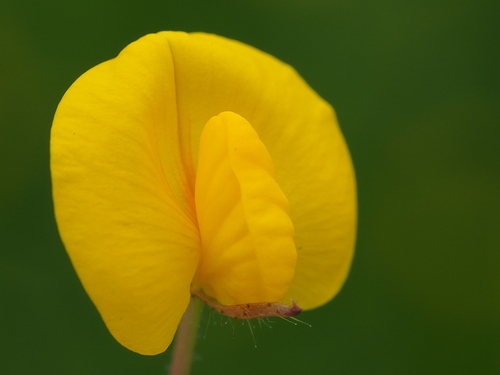
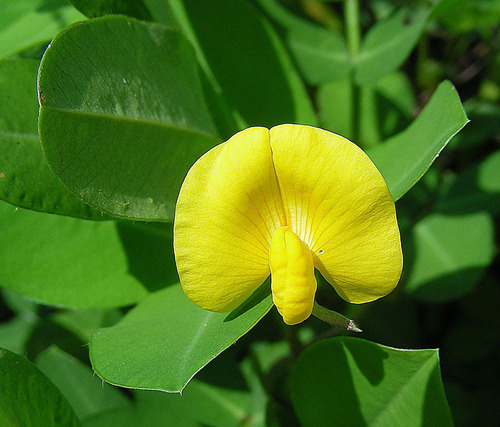
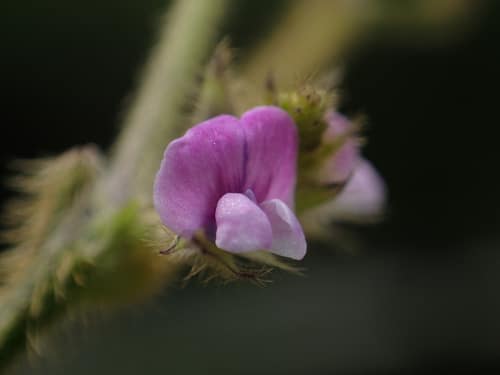
Peanuts display an unusual botanical habit known as geocarpy, opening bright yellow self-pollinating flowers above ground before the fertilized stems, called pegs, bend downward to bury themselves and develop pods beneath the soil. Cultivated across warm regions worldwide, these annual legumes enrich worn soils through symbiotic relationships with nitrogen-fixing bacteria housed in their root nodules. Originally domesticated in South America thousands of years ago, they now underpin agricultural systems and diverse cuisines on every inhabited continent.
Seeds contain potent storage proteins that can provoke severe anaphylaxis in sensitized individuals.
Why it is dangerous
Contains allergen proteins like Ara h 1 and Ara h 2 that can trigger life-threatening anaphylactic shock, airway constriction, and hives in allergic individuals.
How to recognize a risky encounter
Recognized by pinnately compound leaves with four oval leaflets, pea-like yellow blooms, and subterranean woody pods.
What to do
Individuals with known legume allergies must avoid touching, handling, or consuming raw or processed parts.
Responsible observation
Soil preparation: Provide loose, sandy loam to let developing pegs penetrate the earth unimpeded.
Harvest timing: Check for maturity when leaves yellow and interior pod hulls turn dark.