
Plant
Japanese Clover
Kummerowia striataAlso known as Common Lespedeza, Striate Lespedeza, Annual Lespedeza
Japanese clover is a sprawling, low-growing annual legume that forms dense green carpets across disturbed soils, pastures, and roadsides. Its trifoliate leaves feature prominent, straight veins that lend the foliage a finely striped appearance, accompanied by tiny pinkish-purple flowers tucked into leaf axils late in the summer. Through symbiotic root-nodule bacteria, it fixes atmospheric nitrogen, enabling rapid colonization of nutrient-poor and compacted ground.
GroundcoverNitrogen-FixingIntroduced
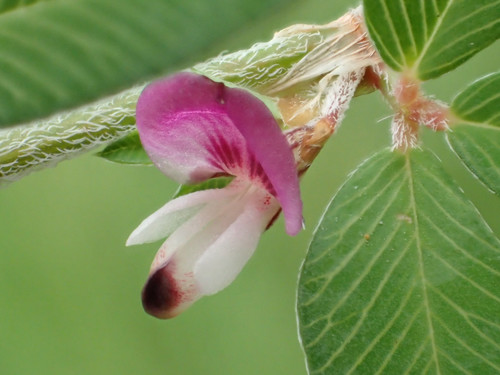
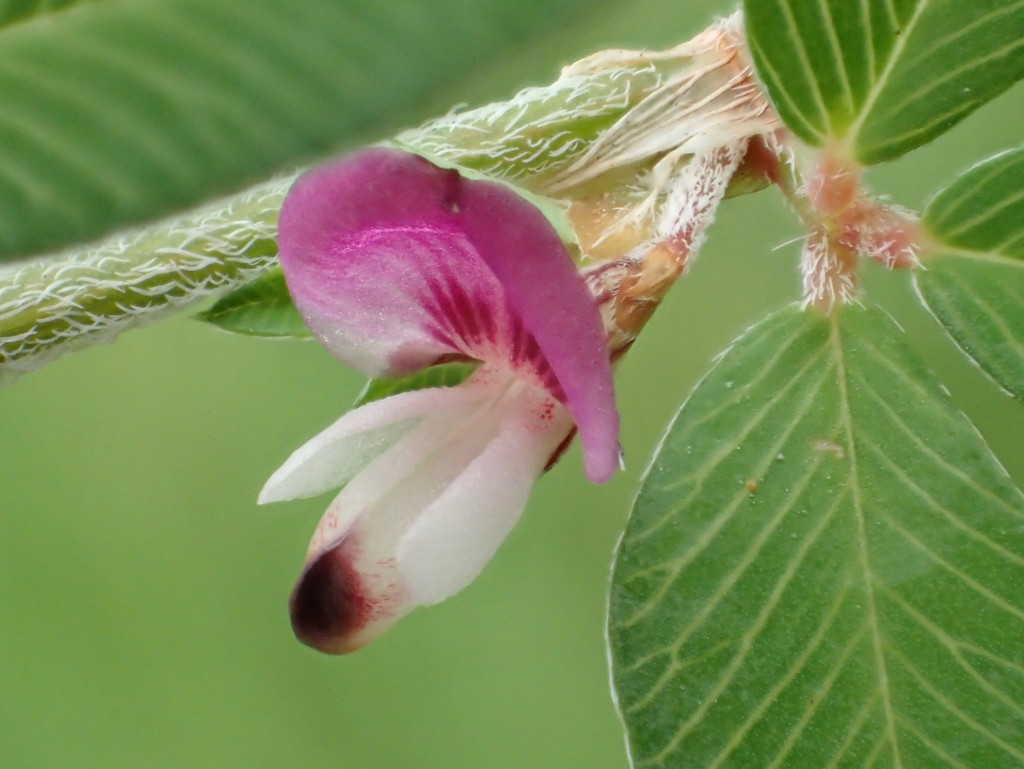
—observations
—countries
—peak records
Not EvaluatedConservation statusIUCN Red List categoriesLCNTVUENCREWEXNot Evaluated — not placed on the risk ladderRed List categories, explained →
Diet & preyAutotrophic (photosynthetic)
Predators
- White-Tailed Deer
- Northern Bobwhite
- Grasshoppers
ThreatsHerbicide applications, mowing regimens, and severe soil compaction
HabitatsDisturbed areas, roadsides, pastures, fields, and open woods
Life span1 year (annual)
Classification
- OrderFabales
- FamilyFabaceae
- GenusKummerowia
- SpeciesKummerowia striata
Range data is not available yet.
Interaction riskLow
- Low
- Moderate
- High
- Very high
- Why interaction risk is low
- Safe to observe at a normal distance.
Responsible observation
- Leaf examination: Bend a leaflet gently to see its distinctive parallel, unbranched lateral veins.
- Seasonal timing: Look for subtle pink and purple flowers nestled in leaf axils from July through October.
- Habitat scanning: Search along compacted footpaths, road shoulders, and grazed pastures where low mats thrive.
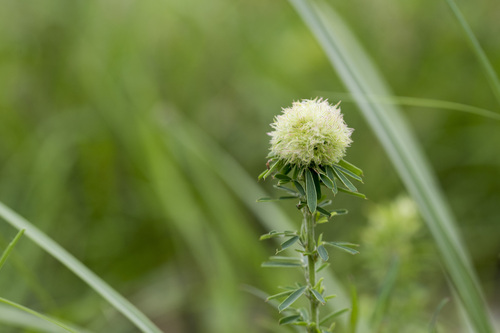
Competitor (c) Licheng Shih, some rights reserved (CC BY), uploaded by Licheng Shih · cc-by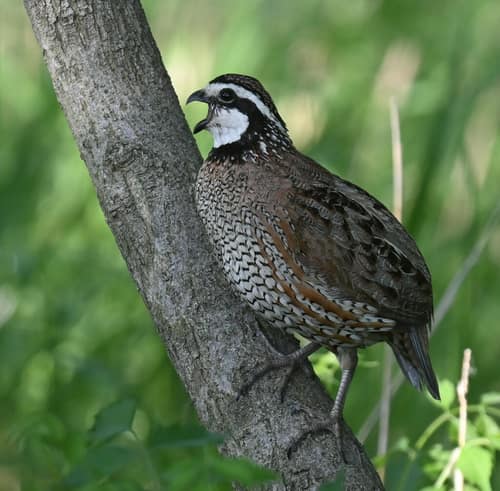
Seed Predator no rights reserved · cc0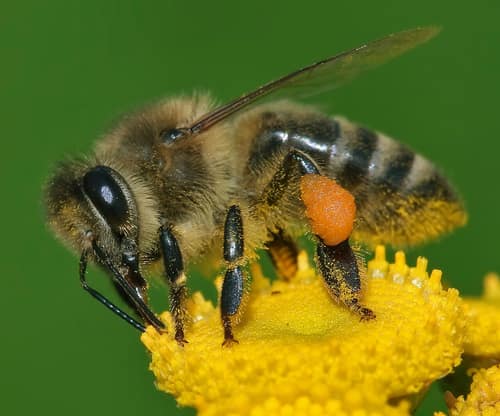
Pollinator Andreas Trepte / CC BY-SA 2.5 · cc-by-sa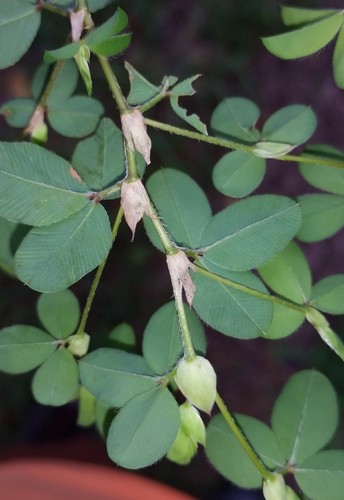
Close Relative (c) Zihao Wang, some rights reserved (CC BY), uploaded by Zihao Wang · cc-by
Help improve the field guideSomething wrong?
Checking your Fauna account…Report a name, category, or profile issue for review.