
Plant · GBIF taxon 5352251
Black Locust
Robinia pseudoacaciaAlso known as False Acacia
Black locust is a fast-growing deciduous tree with deeply furrowed bark and compound leaves of rounded leaflets. Fragrant white flower clusters hang from branches, and young twigs often carry paired sharp stipular spines.
deciduous treenitrogen fixercompound leaves
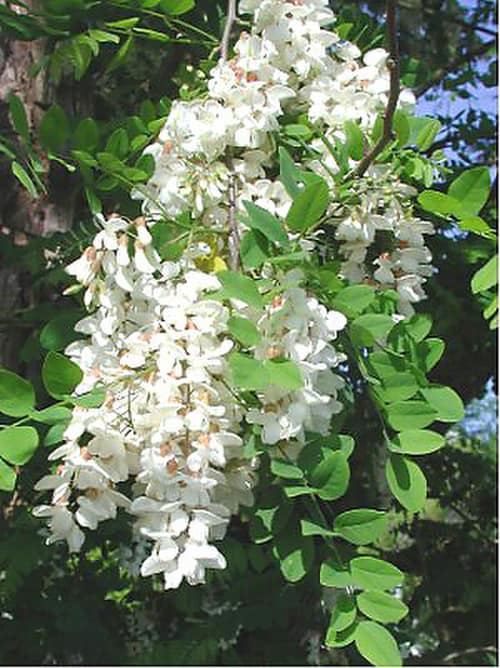
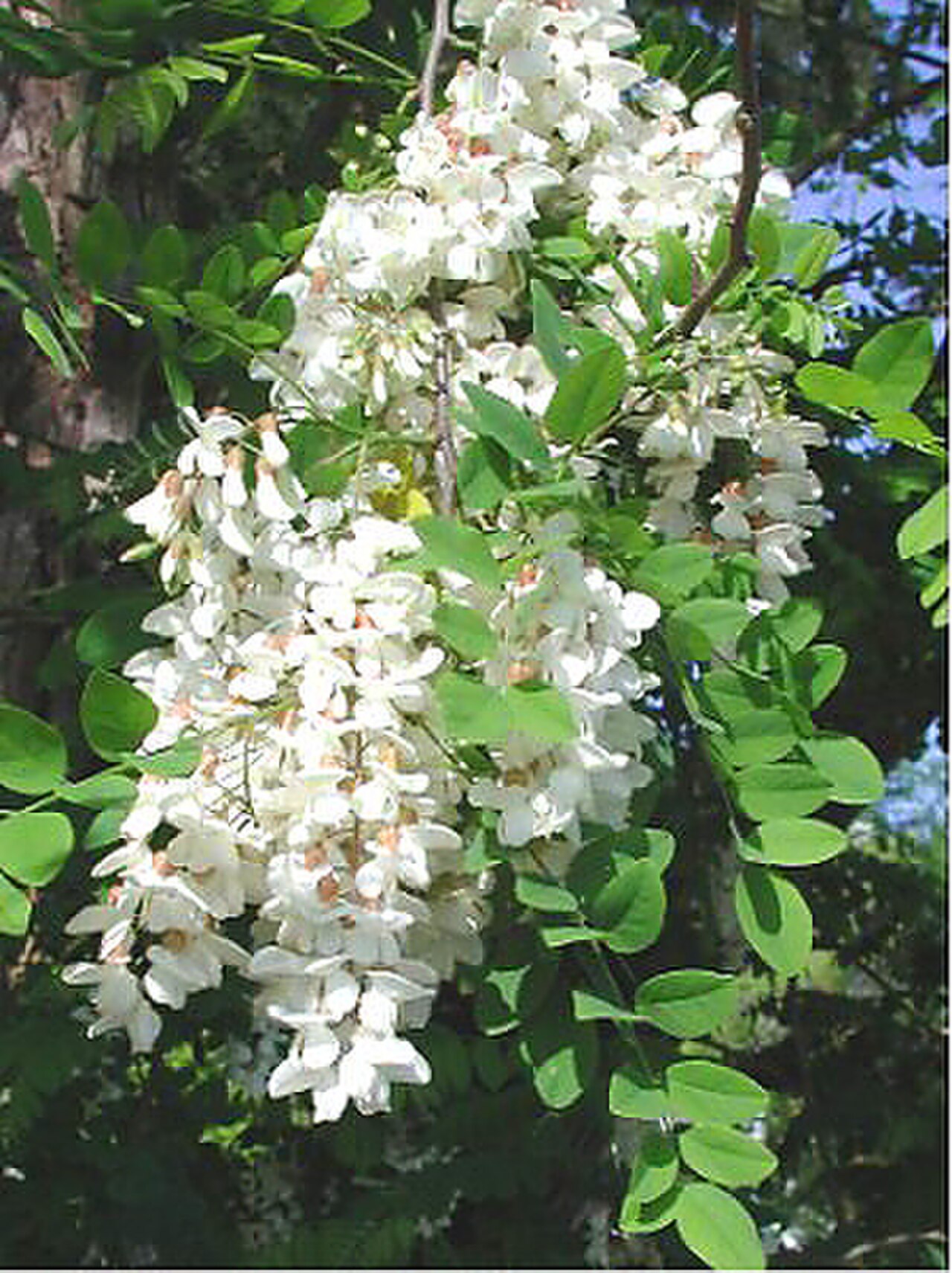
—observations
—countries
—peak records
Least ConcernConservation statusIUCN Red List categoriesLCNTVUENCREWEXLeast ConcernRed List categories, explained →
Diet & prey
- Produces energy through photosynthesis and gains nitrogen through root-associated bacteria
Predators
- locust borers
- leaf miners
- deer
ThreatsLocust borers, severe storms, fungal disease, and control where introduced populations spread
HabitatsOpen woods, slopes, roadsides, old fields, and disturbed sunny ground
Life spanOften sixty to one hundred years, although individual stems may decline earlier
Size / weightNot available
Classification
- OrderFabales
- FamilyFabaceae
- GenusRobinia
- SpeciesRobinia pseudoacacia
Range data is not available yet.
Interaction riskHigh
- Low
- Moderate
- High
- Very high
- Why interaction risk is high
- Bark, leaves, and seeds contain compounds that can cause poisoning if swallowed.
- Why it is dangerous
- Several black locust tissues contain toxic proteins that can trigger serious digestive and neurologic symptoms.
- How to recognize a risky encounter
- Confirm pinnate leaves with rounded leaflets, paired young-twig spines, and deeply ridged bark.
- What to do
- Do not ingest any part, avoid punctures from spines, and keep fallen material from livestock and pets.
Responsible observation
- Identify: Check for paired twig spines, rounded leaflets, and rope-like furrowed bark.
- Observe: Avoid breaking branches or handling seed pods around children and pets.
Help improve the field guideSomething wrong?
Checking your Fauna account…Report a name, category, or profile issue for review.