Also known as Kidney Bean, French Bean, String Bean, Snap Bean
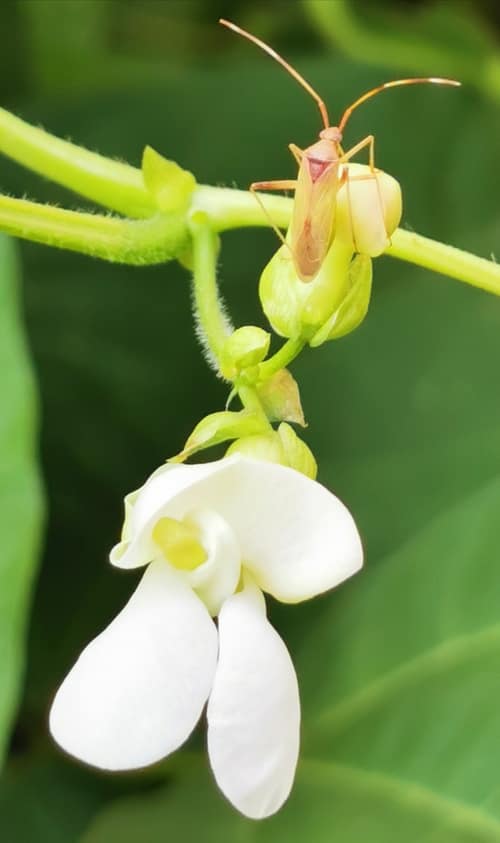
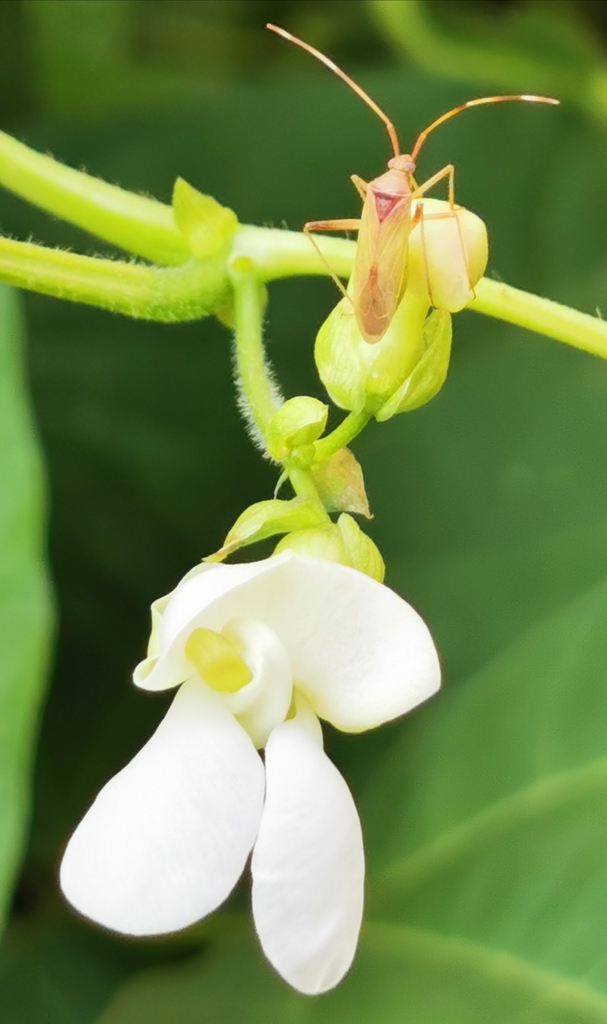
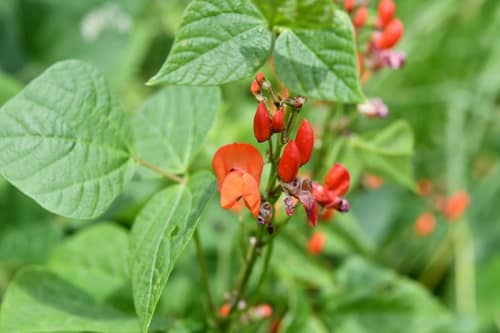
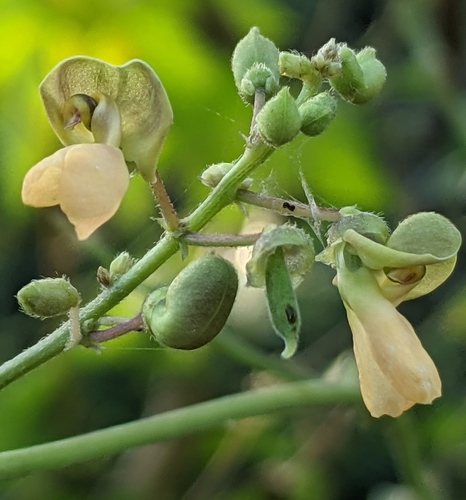
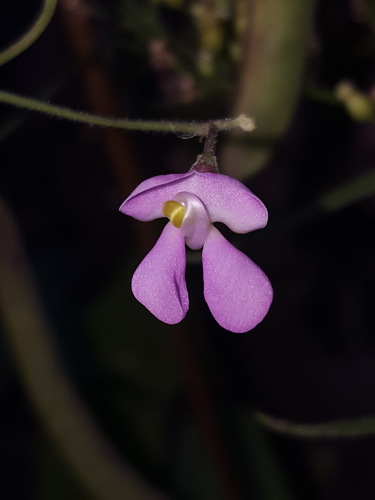
Common beans are versatile herbaceous annuals that grow as compact bushes or climbing vines with trifoliate leaves and delicate white, pink, or purple flowers. Roots house symbiotic rhizobia bacteria that convert atmospheric nitrogen into nutrients, naturally enriching the surrounding soil. Cultivated for thousands of years across Mesoamerica and the Andes, this crop has diversified into hundreds of distinct varieties ranging from snap green beans to dried kidney and black beans.
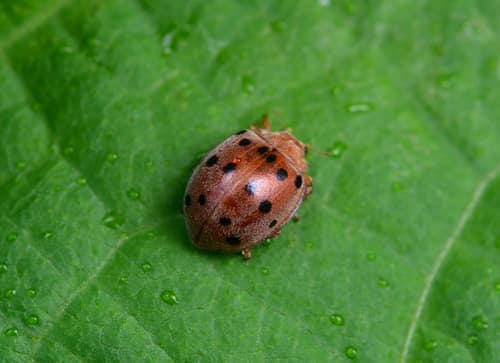
ThreatsFungal blights, bean beetles, sap-sucking aphids, severe drought
HabitatsAgricultural fields, vegetable gardens, tropical and temperate croplands
Life span1 year (annual)
Size / weightNot available
Classification
OrderFabales
FamilyFabaceae
GenusPhaseolus
SpeciesPhaseolus vulgaris
Range & activity
Range data is not available yet.
Safe observation
Interaction riskHigh
Low
Moderate
High
Very high
Why interaction risk is high
Raw mature dry beans contain toxic lectins; always boil thoroughly before eating.
Why it is dangerous
Contains high concentrations of the toxic lectin phytohaemagglutinin in raw dry seeds, causing severe gastroenteritis, nausea, and vomiting if eaten uncooked.
How to recognize a risky encounter
Recognized by trifoliate leaves, small papilionaceous flowers, and elongated seed pods on bush or climbing stems.
What to do
Always soak dry mature seeds and boil vigorously for at least ten minutes before eating, never eating raw dry beans.
Responsible observation
Gardening Support: Provide sturdy trellises or tall poles for climbing pole bean varieties to support upward growth.
Pest Control: Check under leaves regularly for copper-colored beetles and yellow egg clusters.
Harvest Timing: Harvest early for tender snap pod beans or allow pods to dry brown on the vine for storage beans.