Also known as Ceibo, Corticeira, Crybaby Tree, Seibo
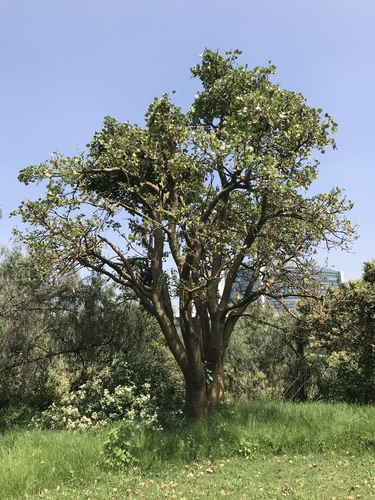
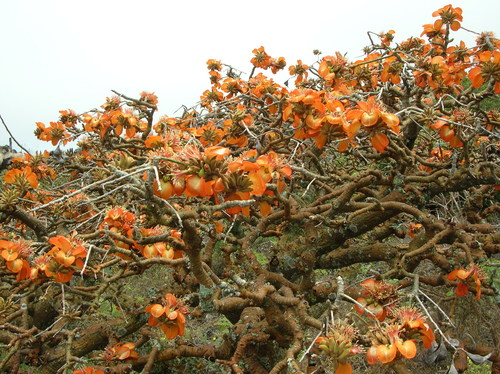
Cockspur coral trees produce brilliant, velvety scarlet blossoms shaped like rooster crests that drip abundant nectar, attracting hummingbirds and bees from across the canopy. Thriving in riverbanks and marshy floodplains, their gnarled, corky trunks and thorny branches withstand seasonal inundation with ease. Revered across South America, the striking crimson bloom serves as the national flower of both Argentina and Uruguay.
Diet & preyPhotoautotrophic (sunlight, water, and soil minerals)
Predators
Leafcutter ant
Wood-boring beetle
Erythrina gall wasp
ThreatsWetland drainage, urban expansion, and extreme hard freezes
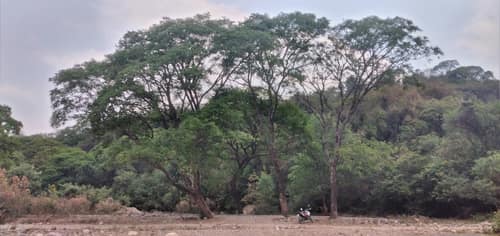
HabitatsRiparian corridors, swamps, wetlands, and seasonally flooded riverbanks
Life span40–80 years
Classification
OrderFabales
FamilyFabaceae
GenusErythrina
SpeciesErythrina crista-galli
Range & activity
Range data is not available yet.
Safe observation
Interaction riskHigh
Low
Moderate
High
Very high
Why interaction risk is high
Seeds and plant parts contain neuromuscular alkaloids; never ingest and keep away from pets.
Why it is dangerous
Seeds and bark contain toxic isoquinoline alkaloids, such as erythraline and erythramine, which produce curare-like neuromuscular blockade, weakness, and potential paralysis if chewed or swallowed.
How to recognize a risky encounter
Look for dense spikes of crimson, boat-shaped blossoms followed by dark bean-like pods holding hard, bean-shaped reddish-brown seeds.
What to do
Admire flowers and foliage safely without picking seed pods or allowing children and pets to chew any plant tissue.

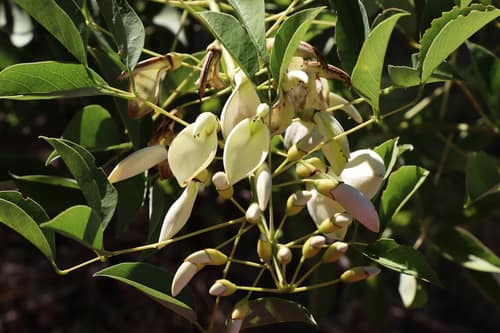
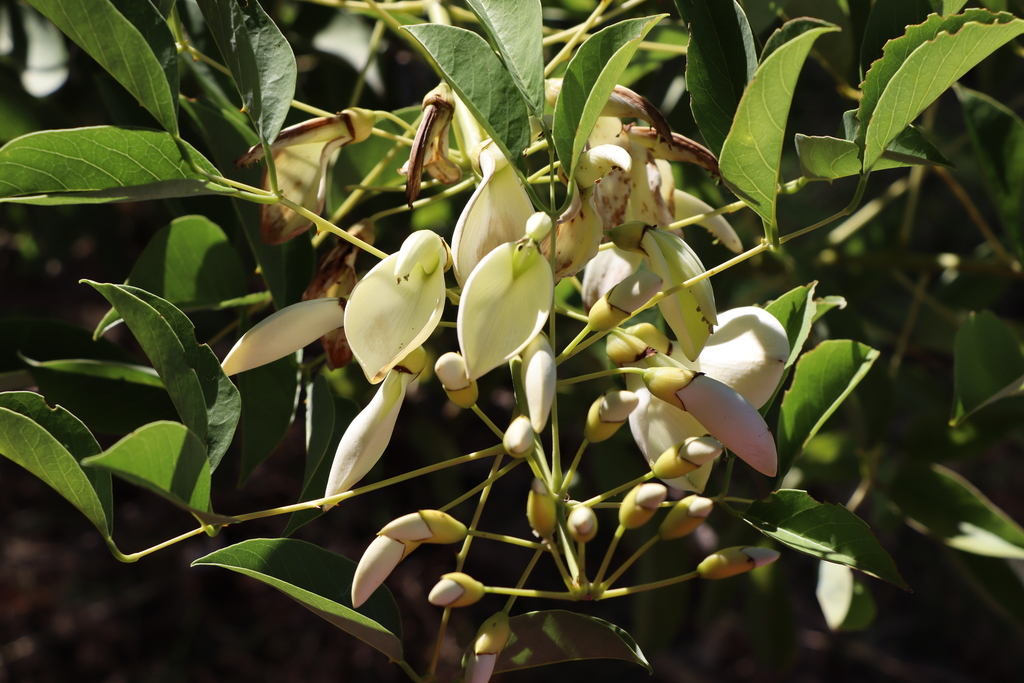
 Image unavailable