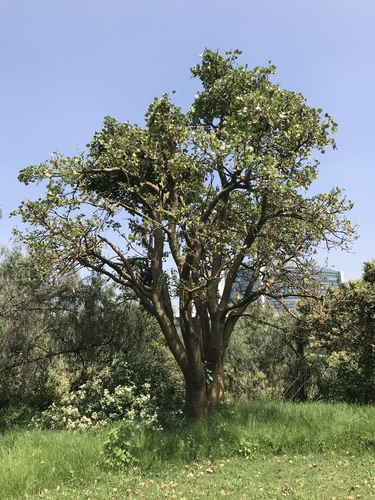
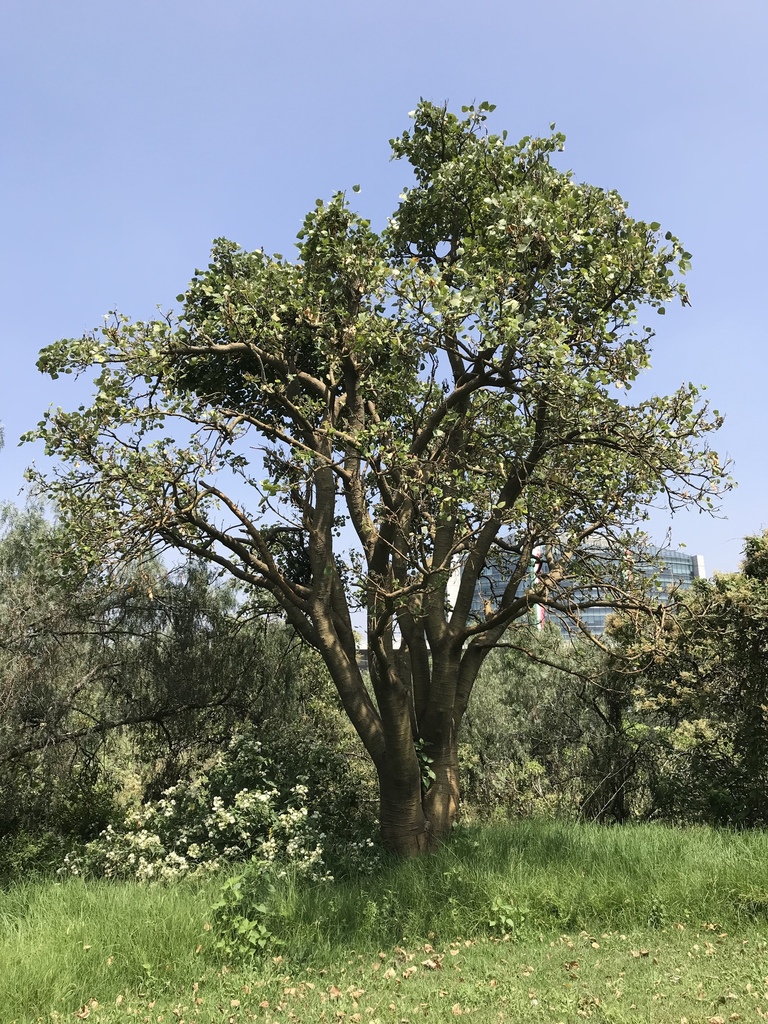
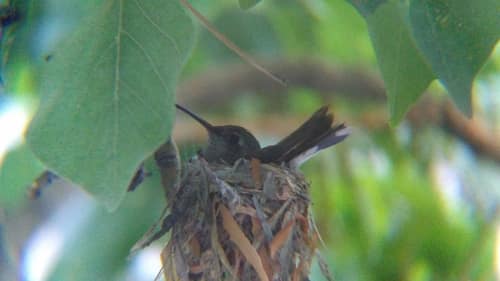
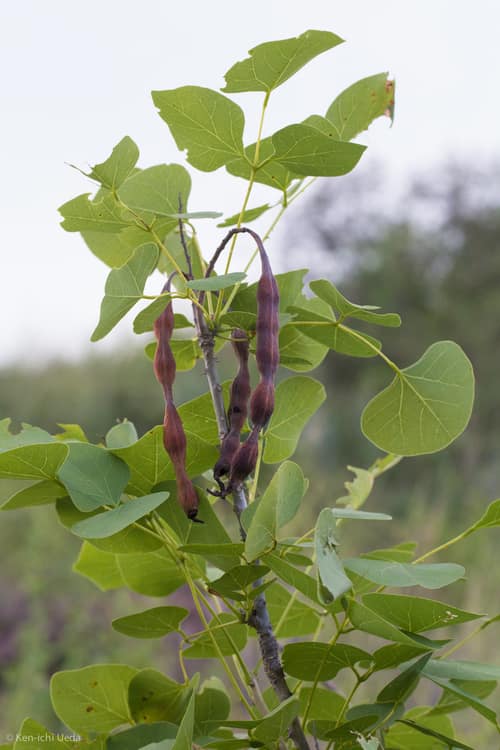
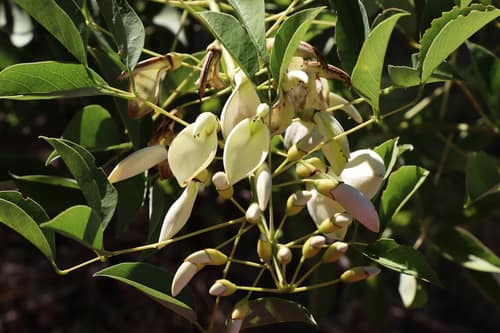
Naked coral trees produce brilliant, torch-like spikes of scarlet flowers on bare, spiny branches in late winter and early spring before the foliage unfolds. Their broad, trifoliate leaves cast light shade throughout hot summer months, followed by woody pods that split to expose vivid red, toxic seeds. Adapted to arid scrub and canyons, the species thrives in rocky soils and relies on hummingbirds for pollination.
ThreatsHabitat fragmentation, land clearance, and occasional overharvesting
HabitatsArid scrublands, dry tropical forests, rocky hillsides, and canyons
Life span50–100 years
Size / weightNot available
Classification
OrderFabales
FamilyFabaceae
GenusErythrina
SpeciesErythrina coralloides
Range & activity
Range data is not available yet.
Safe observation
Interaction riskHigh
Low
Moderate
High
Very high
Why interaction risk is high
Seeds and bark contain paralytic alkaloids; keep away from children and pets, and do not ingest.
Why it is dangerous
Contains potent curare-like isoquinoline alkaloids throughout all tissues, especially the seeds, causing paralysis, nausea, and respiratory failure if eaten.
How to recognize a risky encounter
Recognized by swollen thorny branches, bright scarlet cone-like flower clusters, and segmented woody pods with bright red beans.
What to do
Wear gloves when pruning thorny stems and sweep up fallen red seeds to protect pets and small children.
Responsible observation
Landscape Placement: Plant in full sun with sharp drainage to showcase the leafless spring floral display.
Safety Margin: Place away from footpaths and playgrounds to avoid sharp thorns and poisonous fallen seeds.
Pruning Care: Shape branches in late autumn before spring flower buds form on dormant stems.