
Plant
Burmese-Rosewood
Pterocarpus indicusAlso known as Narra, Angsana
Burmese-Rosewood is a large spreading tree with compound leaves and loose clusters of fragrant yellow flowers. Mature trunks develop gray-brown bark, while cut heartwood is valued for its rich reddish color.
rosewood treeyellow flowertropical canopy
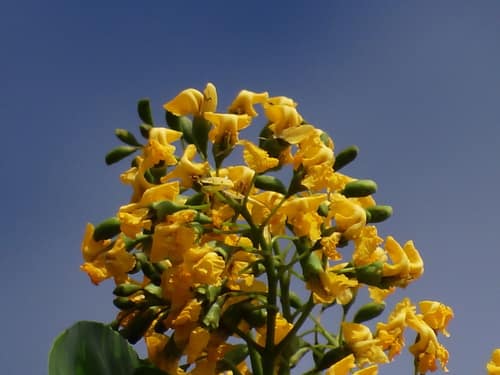
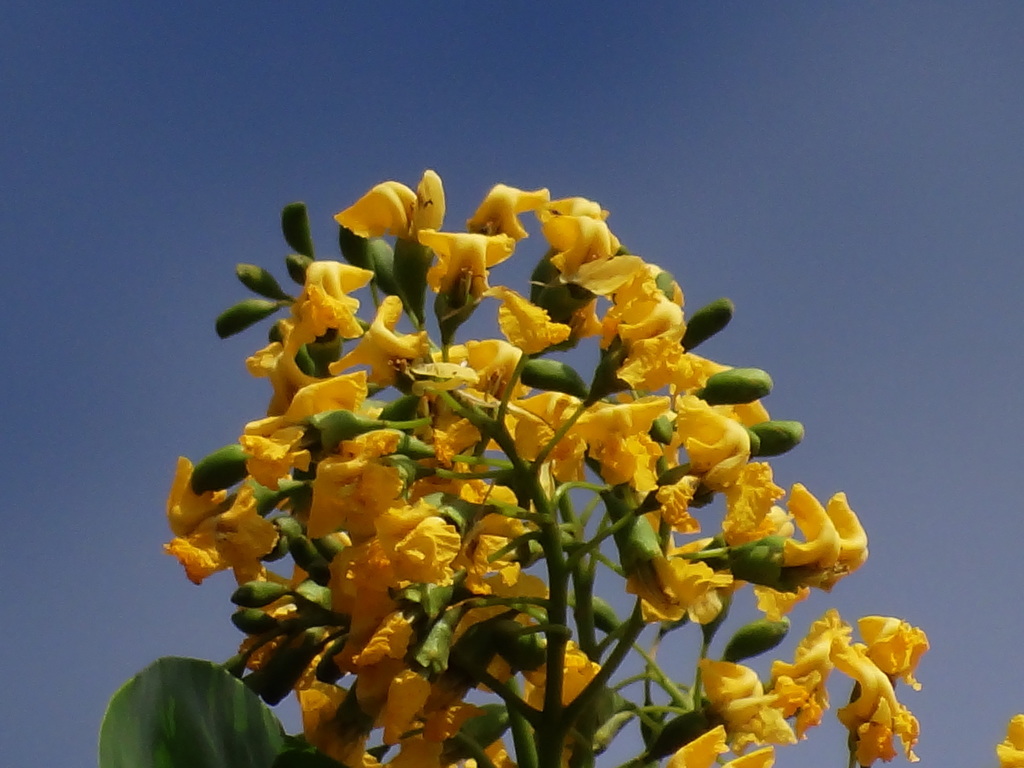
—observations
—countries
—peak records
EndangeredConservation statusIUCN Red List categoriesLCNTVUENCREWEXEndangeredRed List categories, explained →
Diet & preyProduces energy through photosynthesis and gains nitrogen through root-associated bacteria
Predators
- boring beetles
- caterpillars
- grazing mammals
ThreatsIllegal logging, forest conversion, overharvest, fire, and fragmented regeneration
HabitatsTropical lowland forest, river terraces, seasonal woodland, and mature urban plantings
Life spanA long-lived tree capable of persisting for many decades and sometimes more than a century
Classification
- FamilyFabaceae
- SpeciesPterocarpus indicus
Range data is not available yet.
Interaction riskLow
- Low
- Moderate
- High
- Very high
- Why interaction risk is low
- Do not cut bark, collect wood, or disclose precise locations of surviving wild trees.
- What to notice
- Confirm the compound leaves, yellow flowers, and tree form without cutting bark to inspect the wood.
- Support conservation
- Do not collect any material or coordinates; report suspected illegal cutting to appropriate conservation authorities.
Responsible observation
- Identify: Check pinnate leaves, yellow pea-like flowers, and gray-brown trunk bark.
- Protect: View from established routes without collecting wood or damaging seedlings.
Help improve the field guideSomething wrong?
Checking your Fauna account…Report a name, category, or profile issue for review.