Also known as Goldenberry, Peruvian Groundcherry, Aguaymanto, Poha Berry
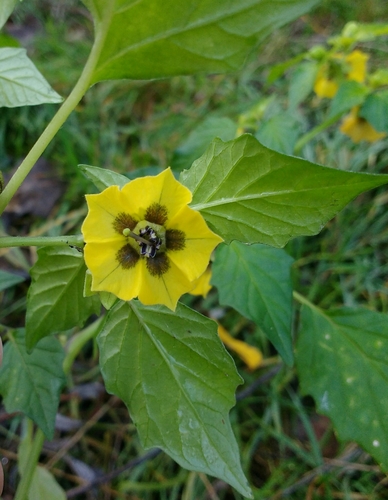
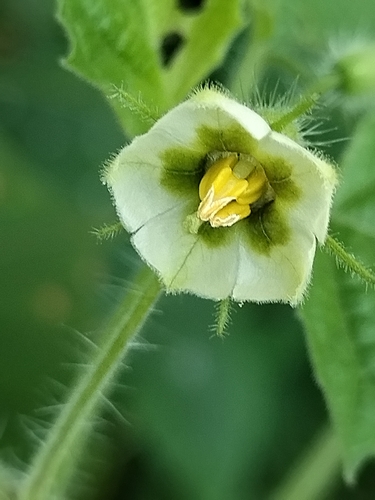
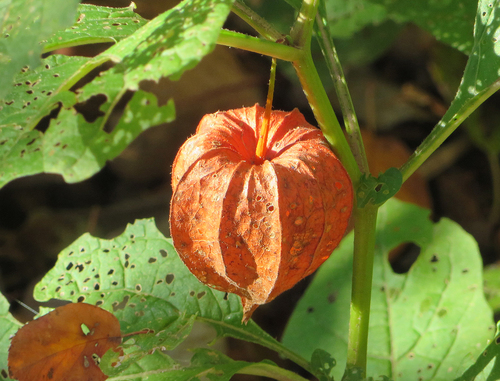
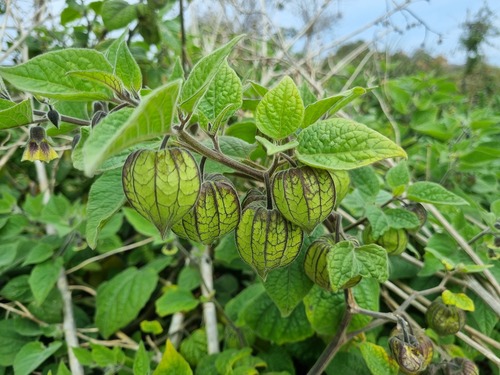
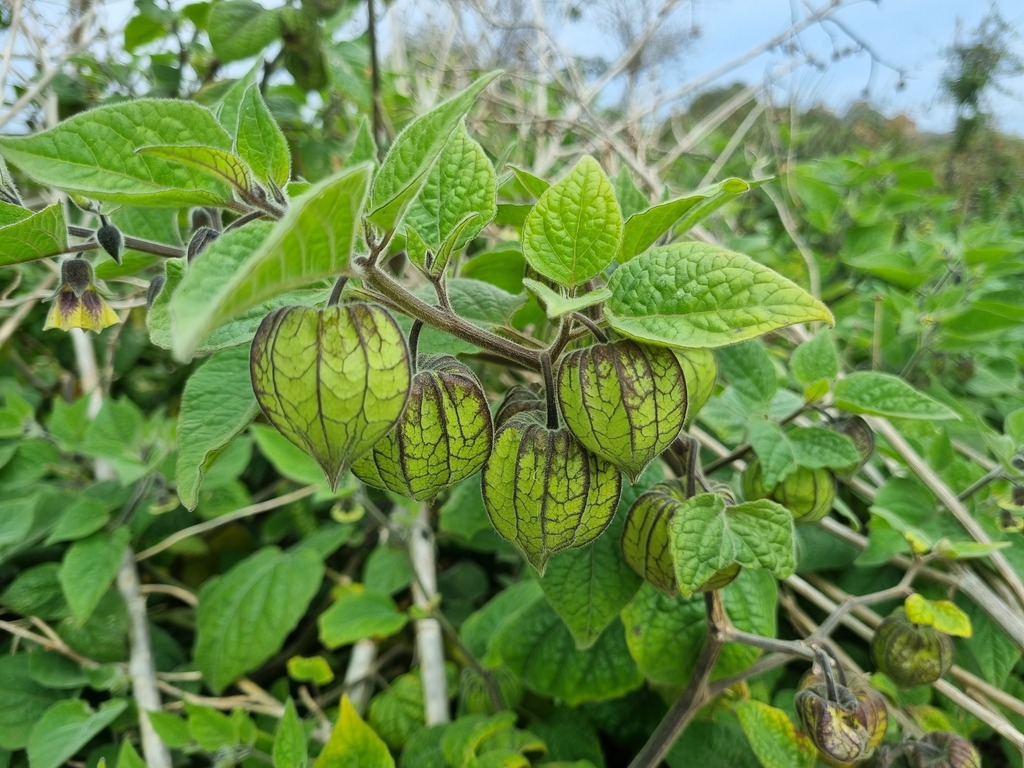
Native to the Andean highlands, this sprawling velvety perennial herb develops small spherical berries completely encased in papery, lantern-like husks. Yellow bell-shaped flowers marked with dark purple center blotches give way to these inflated calyces, which shield the developing fruit from pests and wind. Outside South America, it has naturalized widely in warm-temperate and tropical regions across the globe, colonizing disturbed roadsides, sunny fields, and forest margins.
Life span2–5 years (grown as an annual in frost-prone zones)
Size / weightNot available
Classification
OrderSolanales
FamilySolanaceae
GenusPhysalis
SpeciesPhysalis peruviana
Range & activity
Range data is not available yet.
Safe observation
Interaction riskHigh
Low
Moderate
High
Very high
Why interaction risk is high
Unripe berries and foliage contain toxic solanine; wild berries have toxic look-alikes, so never ingest.
Why it is dangerous
Vegetative parts and unripe green berries contain solanine and related glycoalkaloids that cause vomiting, diarrhea, abdominal pain, and lethargy if ingested by humans or pets.
How to recognize a risky encounter
Look for sprawling, soft-hairy stems with yellow flowers that mature into papery husks holding green to orange berries.
What to do
Avoid tasting or picking wild berries, keep pets away from the foliage, and wash hands after handling damaged stems.
Responsible observation
Look for the Lantern: Examine the ribbed, papery husk to differentiate it from other nightshades.
Inspect the Foliage: Note the velvety, heart-shaped leaves with distinct wavy margins.

 1 / 7
1 / 7