
Plant
Sweet Bugleweed
Lycopus virginicusAlso known as Virginia Water Horehound, American Water Horehound, Water Bugle, Carpenter's Herb
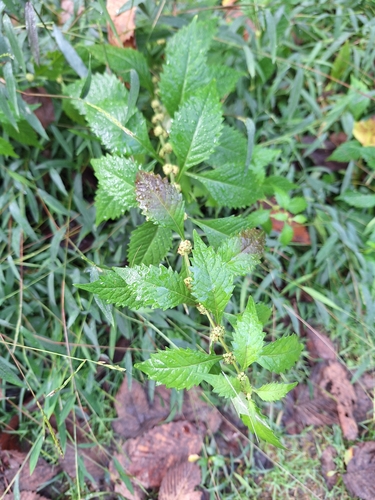
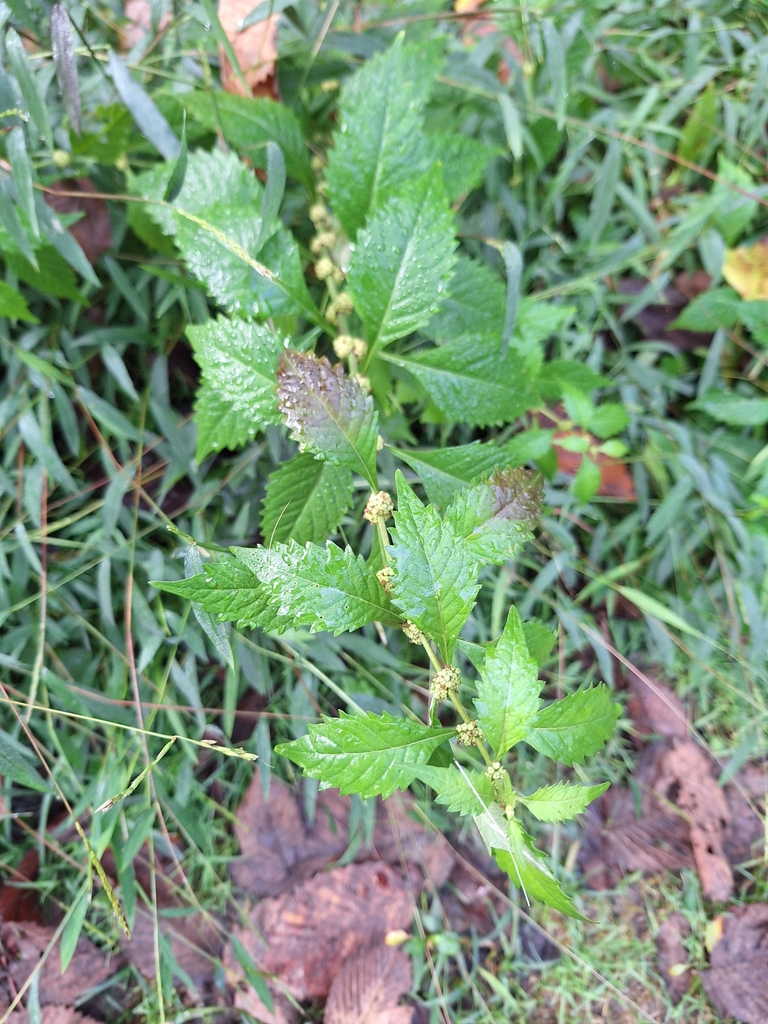
Sweet bugleweed thrives in moist bottomlands, riverbanks, and marshy meadows across eastern North America. Its square stems and paired dark green leaves host tiny, understated white blossoms tucked tightly against the leaf axils throughout late summer. Small wetland wildlife and insects rely on these dense stands for cover, while native bees visit the delicate flowers for nectar.
WetlandPerennialWildflower
—observations
—countries
—peak records
Least ConcernConservation statusIUCN Red List categoriesLCNTVUENCREWEXLeast ConcernRed List categories, explained →
Diet & preySunlight, Water, Soil Minerals
Predators
- Herbivorous Insects
- White-Tailed Deer
- Muskrats
ThreatsWetland drainage, invasive plant competition
HabitatsWet meadows, stream banks, swamps, floodplain forests
Life spanPerennial
Classification
- OrderLamiales
- FamilyLamiaceae
- GenusLycopus
- SpeciesLycopus virginicus
Range data is not available yet.
Interaction riskLow
- Low
- Moderate
- High
- Very high
- Why interaction risk is low
- Safe to observe at a normal distance.
Responsible observation
- Identification: Look for four-angled square stems and tiny clusters of white flowers hugging the leaf axils.
- Habitat Clues: Search along muddy stream edges, marsh margins, and damp wooded bottomlands.
- Seasonal Timing: Spot the delicate white blooms flowering throughout late summer into early autumn.
 Image unavailable
Frequent Companion 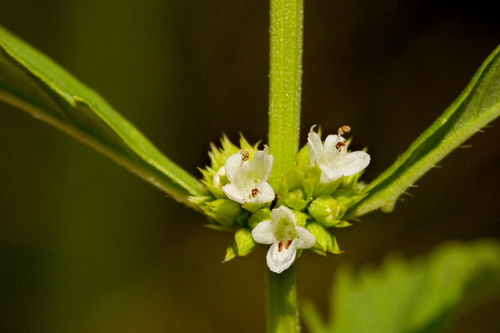
Close Relative no rights reserved · cc0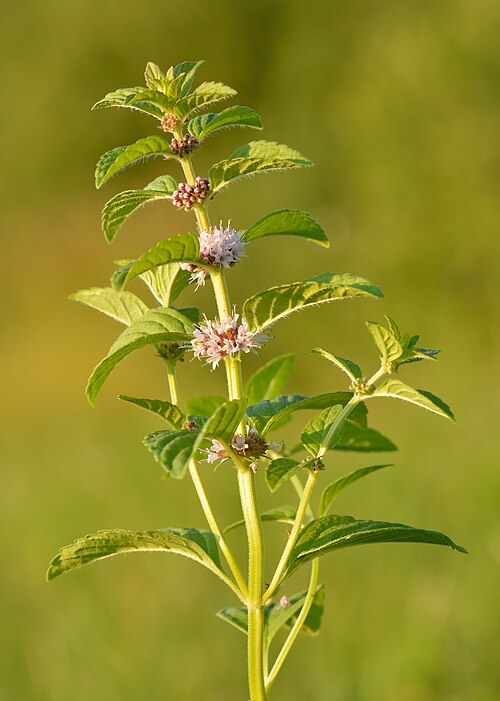
Family Relative Ivar Leidus / CC BY-SA 3.0 · cc-by-saClose Relative
Help improve the field guideSomething wrong?
Checking your Fauna account…Report a name, category, or profile issue for review.