
Plant · GBIF taxon 5341394
Beefsteak Plant
Perilla frutescensAlso known as Shiso, Korean Perilla, Perilla Mint, Purple Mint
Beefsteak plant is a fragrant annual herb recognizable by its distinctly squared stems, opposite toothed leaves, and rich coloration ranging from deep emerald to purplish-bronze. Cultivated across East and Southeast Asia for millennia as an oilseed and aromatic culinary staple, it thrives in open sun and nutrient-rich soils. Escaped populations readily colonize disturbed pastures and riparian corridors, where potent chemical compounds make it unpalatable and hazardous to foraging herbivores.
AromaticAnnualInvasive
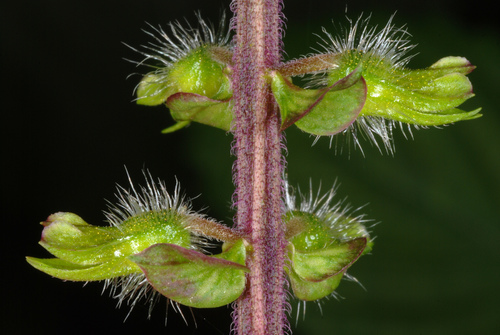
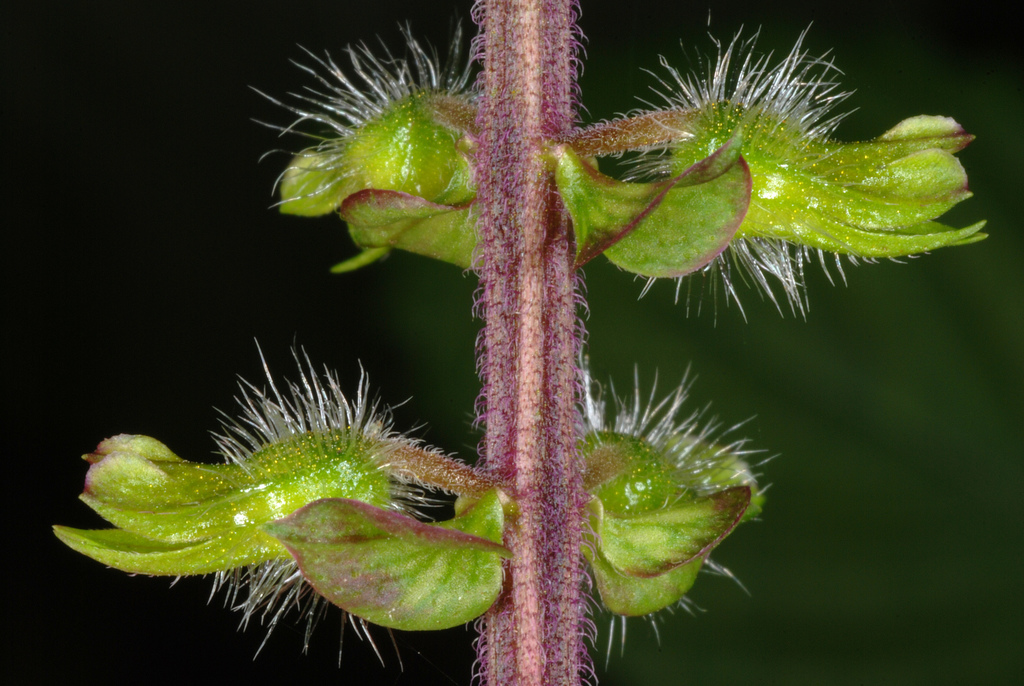 1 / 7
1 / 7—observations
—countries
—peak records
Not EvaluatedConservation statusIUCN Red List categoriesLCNTVUENCREWEXNot Evaluated — not placed on the risk ladderRed List categories, explained →
Diet & prey
- Autotrophic (photosynthesis)
Predators
- Aphids
- Flea beetles
- Spider mites
ThreatsPasture management, mechanical mowing, selective herbicide application
HabitatsPastures, woodland borders, roadsides, disturbed riverbanks, agricultural fields
Life spanAnnual (1 year)
Size / weightNot available
Classification
- OrderLamiales
- FamilyLamiaceae
- GenusPerilla
- SpeciesPerilla frutescens
Range data is not available yet.
Interaction riskHigh
- Low
- Moderate
- High
- Very high
- Why interaction risk is high
- Highly toxic to livestock and pets if grazed; safe to observe from a distance.
- Why it is dangerous
- Contains perilla ketone, a lung toxin that induces acute respiratory distress syndrome and fatal pulmonary edema in cattle, horses, and sheep.
- How to recognize a risky encounter
- Recognize by its four-angled square stems, deeply veined ovate leaves with purple tinges, and pungent anise-like scent.
- What to do
- Keep pastured livestock and pets well away from wild colonies, and wear gloves if hand-pulling unwanted plants.
Responsible observation
- Foliage Inspection: Look for paired, coarsely serrated leaves and distinctly four-angled green or purplish stems.
- Bloom Timing: Check sunny clearings and pasture margins in late summer to catch the subtle spikes of tiny pale flowers.
- Livestock Protection: Fence off dense stands in grazing paddocks to prevent domestic stock from chewing the toxic leaves.
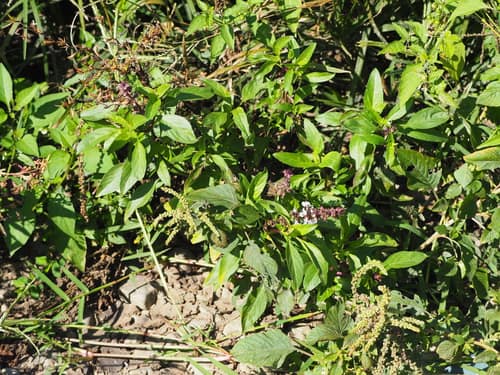
Same Family no rights reserved, uploaded by 葉子 · cc0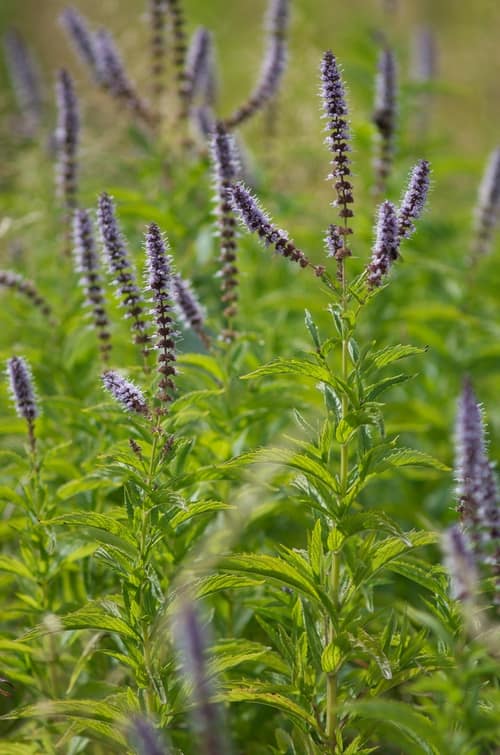
Same Family (c) Jon Sullivan, some rights reserved (CC BY) · cc-by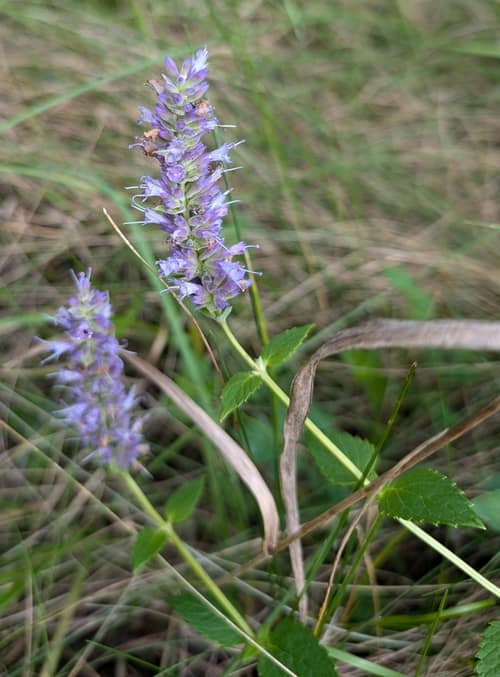
Same Family (c) Alan Prather, some rights reserved (CC BY), uploaded by Alan Prather · cc-by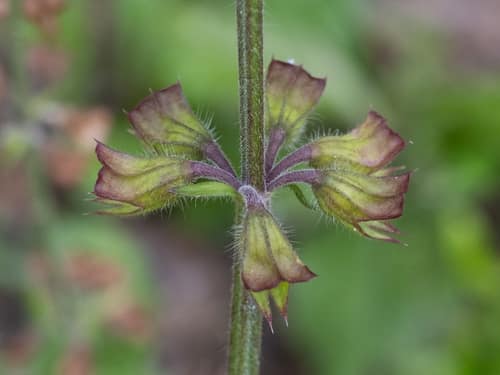
Same Family (c) Alex Abair, some rights reserved (CC BY), uploaded by Alex Abair · cc-by
Help improve the field guideSomething wrong?
Checking your Fauna account…Report a name, category, or profile issue for review.