
Plant
Common Motherwort
Leonurus cardiacaAlso known as Motherwort, Throw-wort, Lion's Ear, Lion's Tail
Common motherwort stands out in waste grounds and hedgerows with its stiff, square stems and palmately lobed leaves that gradually narrow toward the upper flowering spikes. Dense whorls of small, fuzzy, pink-to-lilac blossoms emerge from prickly calyxes from midsummer into autumn, attracting a relentless stream of bumblebees. Long cultivated as a traditional garden herb, it readily self-seeds and thrives across disturbed soils throughout the temperate Northern Hemisphere.
HerbaceousPerennialPollinator Friendly
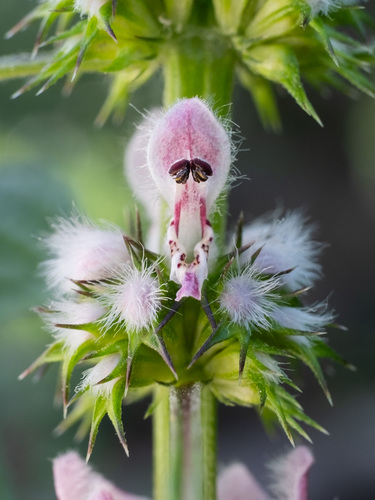
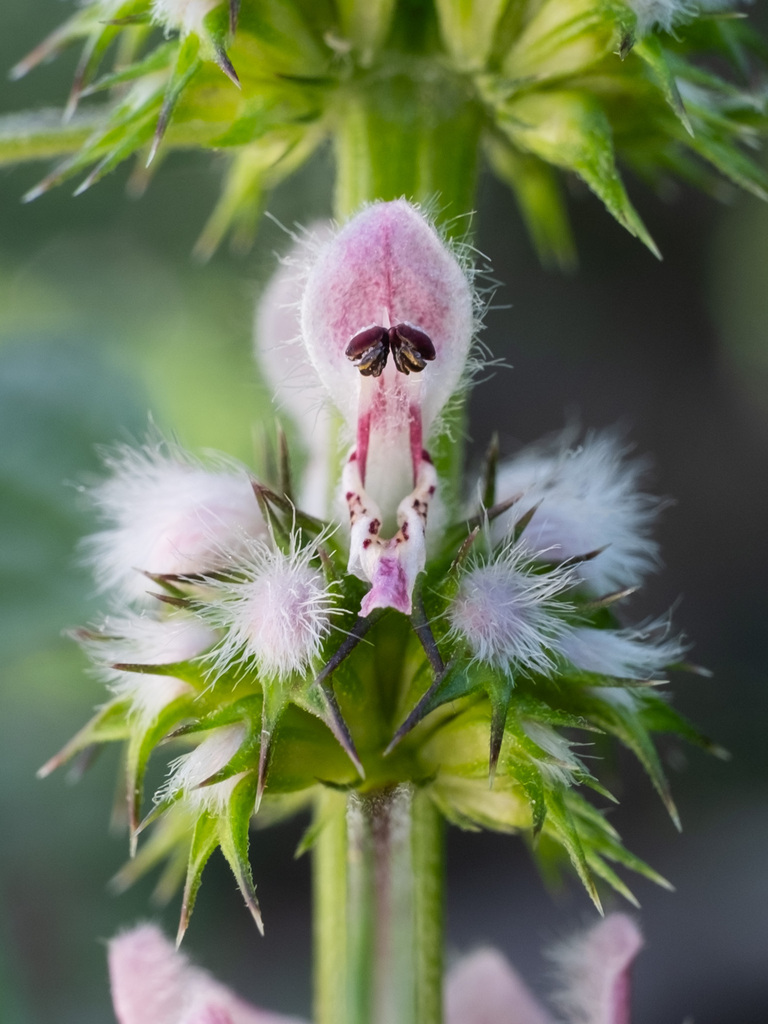
—observations
—countries
—peak records
Least ConcernConservation statusIUCN Red List categoriesLCNTVUENCREWEXLeast ConcernRed List categories, explained →
Diet & preyAutotrophic (photosynthetic)
Predators
- Aphids
- Spittlebugs
- Garden slugs
ThreatsHerbicidal spraying, intensive mowing, and severe ground compaction
HabitatsDisturbed ground, roadsides, hedgerows, riverbanks, and woodland borders
Life spanPerennial (typically 3–8 years)
Classification
- OrderLamiales
- FamilyLamiaceae
- GenusLeonurus
- SpeciesLeonurus cardiaca
Range data is not available yet.
Interaction riskLow
- Low
- Moderate
- High
- Very high
- Why interaction risk is low
- Safe to observe at a normal distance.
Responsible observation
- Observation: Look closely into the leaf axils to examine the fuzzy, hooded upper petals.
- Physical Awareness: Wear garden gloves in late autumn, as the dried seed calyxes become quite sharp and prickly.
- Pollinator Watching: Visit flowering stands on warm afternoons to spot diverse bumblebees and solitary bees feeding.
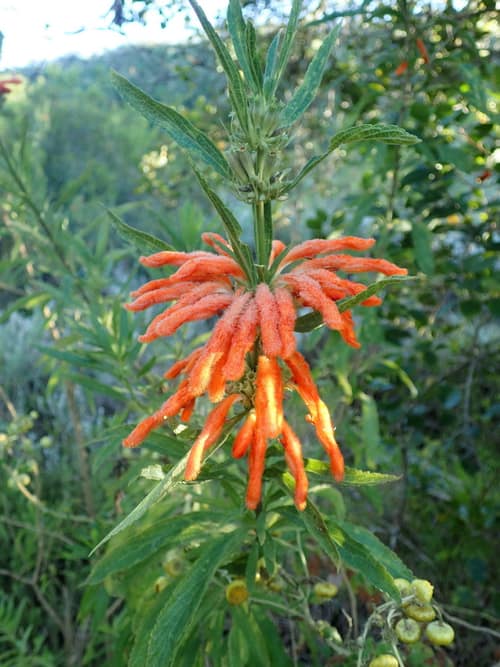
Look-alike (c) Nicola van Berkel, some rights reserved (CC BY-SA), uploaded by Nicola van Berkel · cc-by-sa Image unavailable
Close Relative 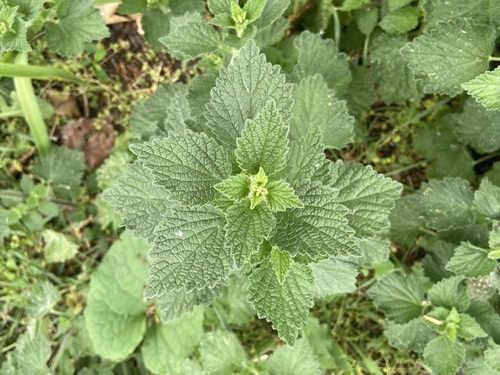
Same Family (c) Joss Carr, some rights reserved (CC BY) · cc-bySame Family 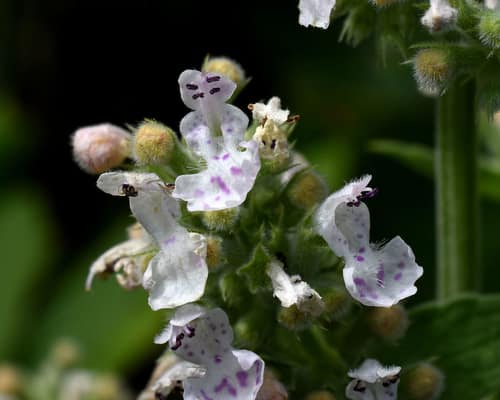
Same Family (c) davecz2, some rights reserved (CC BY-SA), uploaded by davecz2 · cc-by-sa
Help improve the field guideSomething wrong?
Checking your Fauna account…Report a name, category, or profile issue for review.