
Plant
Indian Borage
Coleus amboinicusAlso known as Cuban Oregano, Mexican Mint, French Thyme, Spanish Thyme
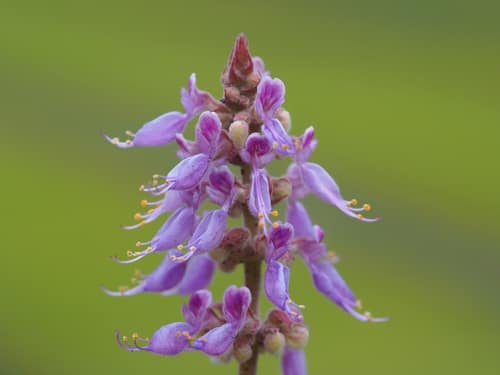
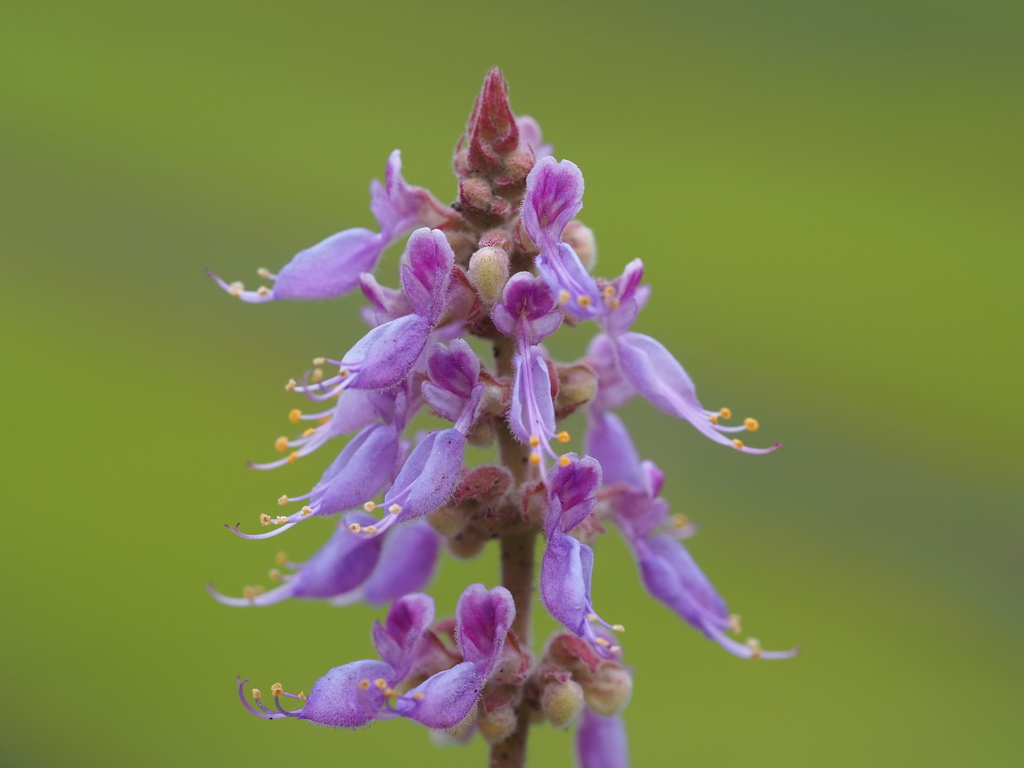
Indian borage is a robust, sprawling perennial recognized by its thick, velvety succulent leaves that yield an intense herbal fragrance when brushed. Spikes of pale violet or lilac flowers bloom intermittently throughout warm seasons, attracting bees and small butterflies to its nectar. In tropical climates worldwide, it thrives as a vigorous groundcover that quickly establishes roots wherever creeping stem nodes touch damp earth.
SucculentAromaticPerennial
—observations
—countries
—peak records
Not EvaluatedConservation statusIUCN Red List categoriesLCNTVUENCREWEXNot Evaluated — not placed on the risk ladderRed List categories, explained →
Diet & preyAutotrophic (photosynthesis)
Predators
- Slugs and snails
- Spider mites
- Mealybugs
ThreatsProlonged frost, severe waterlogging, and broadscale habitat destruction
HabitatsRocky slopes, tropical woodland edges, coastal thickets, and cultivated gardens
Life span3–5 years
Classification
- OrderLamiales
- FamilyLamiaceae
- GenusColeus
- SpeciesColeus amboinicus
Range data is not available yet.
Interaction riskHigh
- Low
- Moderate
- High
- Very high
- Why interaction risk is high
- Toxic to dogs and cats if ingested; safe to handle, but keep away from household pets.
- Why it is dangerous
- Contains concentrated essential oils including carvacrol and thymol, which cause vomiting, diarrhea, and anorexia in cats and dogs.
- How to recognize a risky encounter
- Recognizable by thick, brittle, fuzzy leaves with scalloped margins that release a strong savory scent when handled.
- What to do
- Grow out of reach of domestic pets, and wash hands after crushing foliage to avoid accidental transfer to animal bowls.
Responsible observation
- Foliage Scent: Gently stroke a leaf surface to experience its potent thyme and oregano aroma without tearing the plant.
- Stem Propagation: Observe how easily severed stems root in moist soil, spreading across garden beds.
- Pet Safety: Position potted plants out of reach of curious cats and dogs to prevent accidental ingestion.
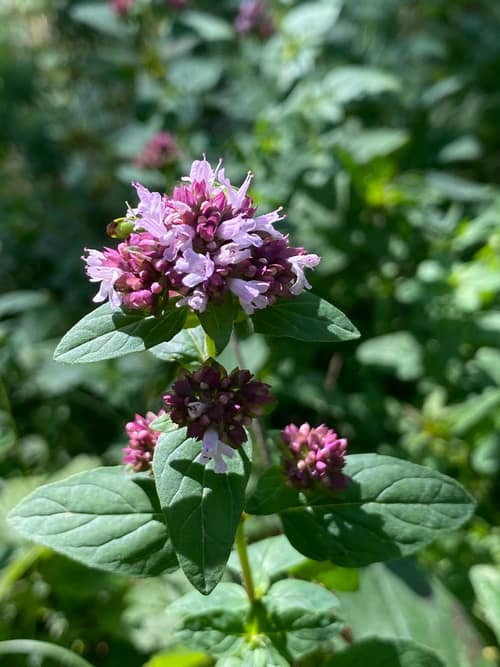
Look-alike (c) Thomas Dreux, some rights reserved (CC BY), uploaded by Thomas Dreux · cc-by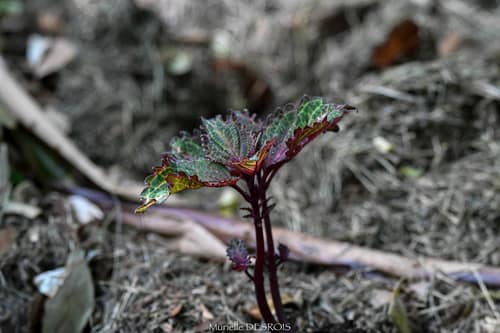
Close Relative no rights reserved, uploaded by Murielle Desrois · cc0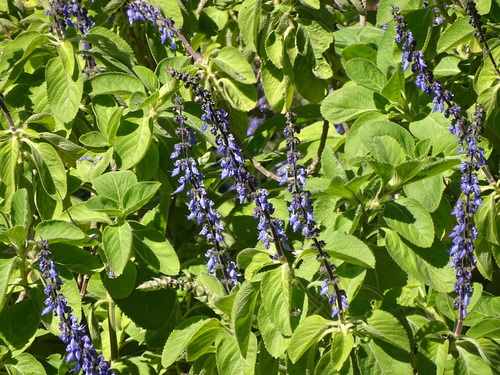
Close Relative (c) Shaun Swanepoel, some rights reserved (CC BY), uploaded by Shaun Swanepoel · cc-by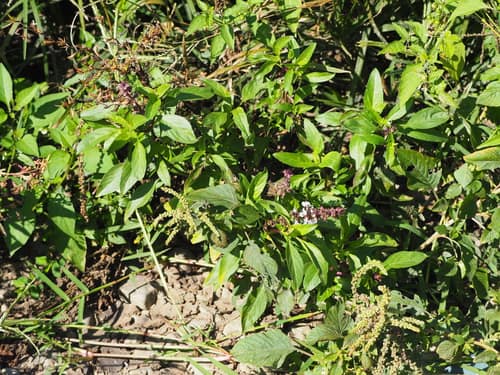
Same Family no rights reserved, uploaded by 葉子 · cc0
Help improve the field guideSomething wrong?
Checking your Fauna account…Report a name, category, or profile issue for review.