
Plant
Common Selfheal
Prunella vulgarisAlso known as Heal-All, Woundwort, Carpenter's Herb, Heart-of-the-Earth
Common selfheal forms low carpet-like patches in damp lawns, open woods, and grassy roadsides across the Northern Hemisphere. Its characteristic square stems support dense, club-shaped spikes of hooded violet flowers that bloom continuously from late spring through early autumn. Highly adaptable to close mowing, this low-growing perennial relies on long-tongued bees and butterflies for cross-pollination.
FloweringPollinator MagnetLow-Growing
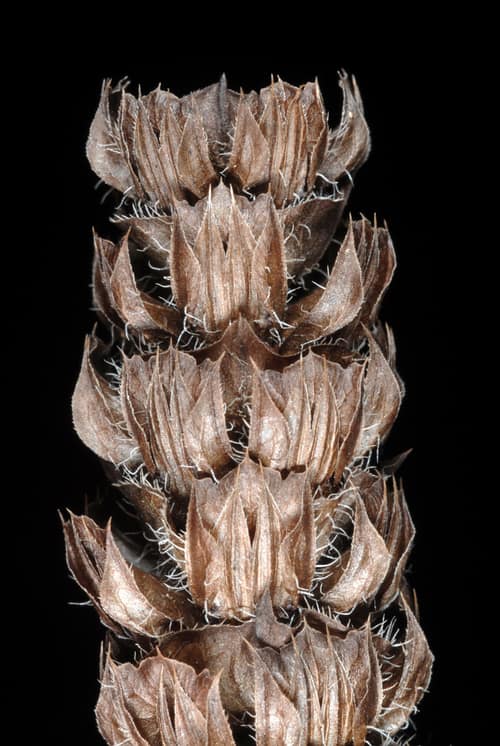
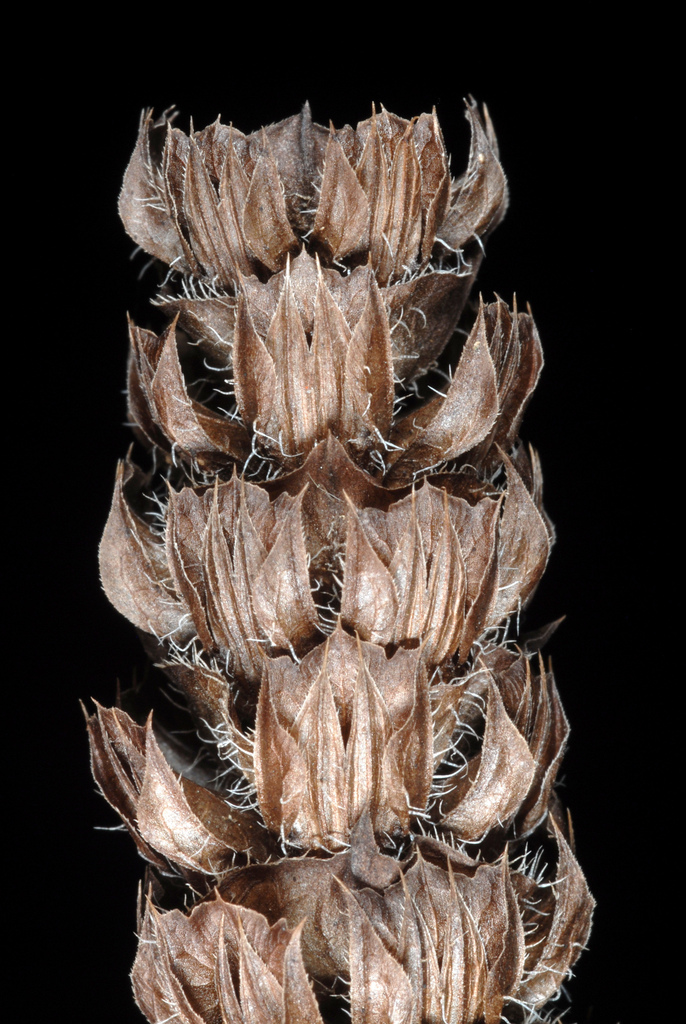
—observations
—countries
—peak records
Least ConcernConservation statusIUCN Red List categoriesLCNTVUENCREWEXLeast ConcernRed List categories, explained →
Diet & preySunlight, Water, Soil nutrients
Predators
- Livestock
- Rabbits
- Slugs
ThreatsHerbicide application, intensive lawn maintenance
HabitatsLawns, meadows, pastures, forest edges, disturbed ground
Life spanPerennial
Classification
- OrderLamiales
- FamilyLamiaceae
- GenusPrunella
- SpeciesPrunella vulgaris
Range data is not available yet.
Interaction riskLow
- Low
- Moderate
- High
- Very high
- Why interaction risk is low
- Safe to observe at a normal distance.
Responsible observation
- Stem feel: Gently roll the stem between your fingers to feel its square cross-section.
- Flower structure: Examine the dense, cylindrical spike to see individual two-lipped blossoms.
- Pollinator watching: Check flowering patches on sunny afternoons for foraging native bees.
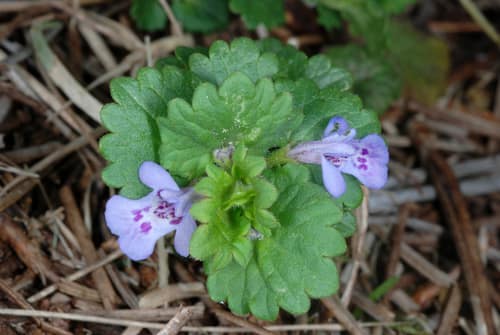
Competitor (c) Douglas Goldman, some rights reserved (CC BY-SA), uploaded by Douglas Goldman · cc-by-sa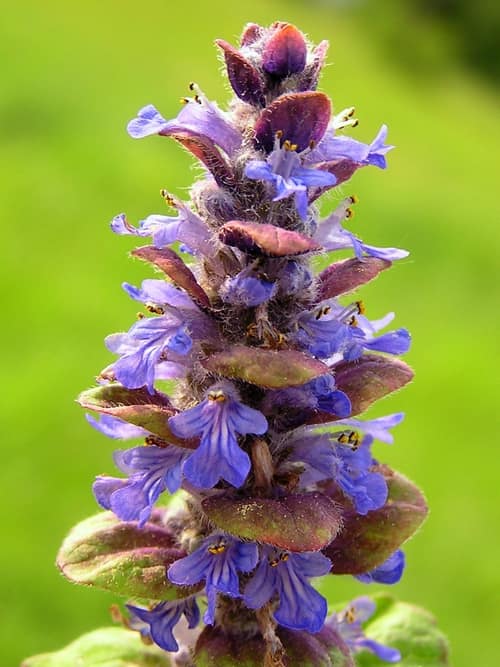
Similar Habit (c) Nasser Halaweh, some rights reserved (CC BY), uploaded by Nasser Halaweh · cc-by Image unavailable
Close Relative 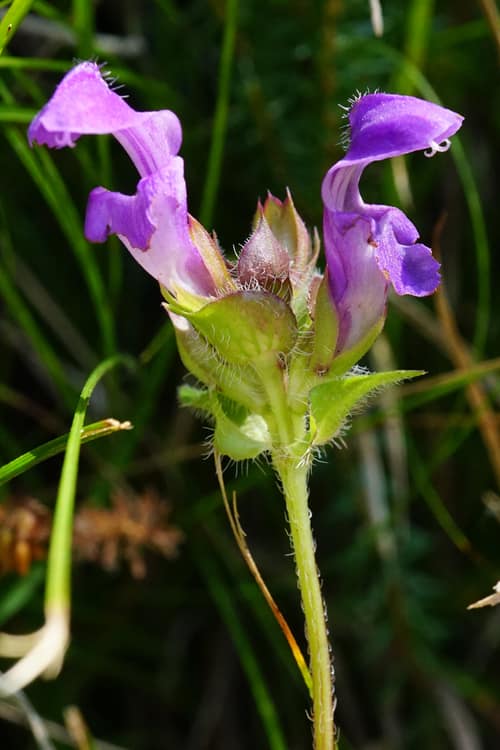
Close Relative (c) Patrick Hacker, some rights reserved (CC BY), uploaded by Patrick Hacker · cc-by
Help improve the field guideSomething wrong?
Checking your Fauna account…Report a name, category, or profile issue for review.