
Plant
Clammy Cherry
Cordia dichotomaAlso known as Indian Cherry, Fragrant Manjack, Snottygobble, Gonda
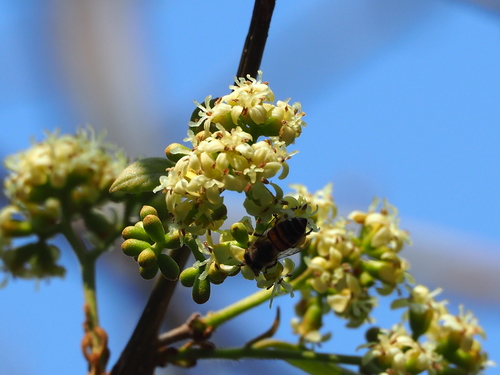
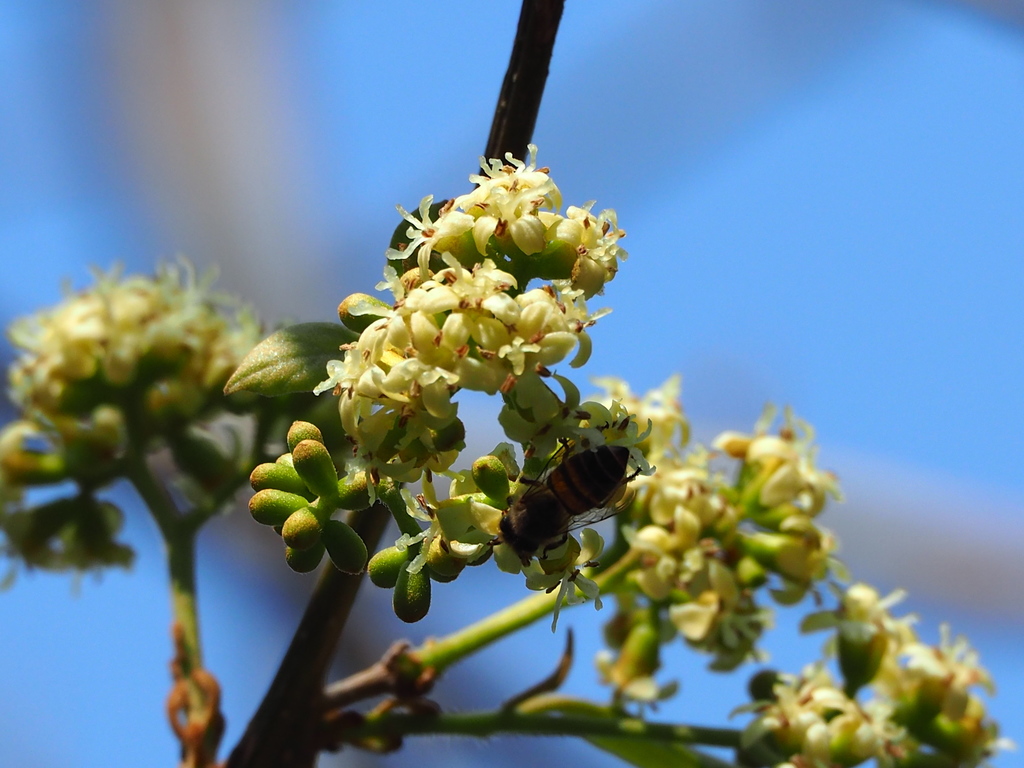
Clammy cherry is a medium-sized deciduous tree recognized for its smooth pale gray bark and glossy, broadly ovate leaves. Small white or cream-colored blossoms appear in clusters during spring, attracting bees and butterflies before yielding sticky, translucent pinkish-orange drupes. These gelatinous fruits are widely dispersed by birds, bats, and small arboreal mammals across tropical woodland ecosystems.
TropicalDeciduousFlowering Tree
—observations
—countries
—peak records
Least ConcernConservation statusIUCN Red List categoriesLCNTVUENCREWEXLeast ConcernRed List categories, explained →
Diet & preySunlight, Water, Soil Minerals
ThreatsHabitat conversion, urbanization
HabitatsTropical dry forests, monsoon forests, coastal woodlands, scrublands
Life span50–100 years
Classification
- FamilyCordiaceae
- SpeciesCordia dichotoma
Range data is not available yet.
Interaction riskLow
- Low
- Moderate
- High
- Very high
- Why interaction risk is low
- Wild berries have toxic look-alikes; never eat based on app identification alone.
Responsible observation
- Observation: Look for the glossy, broad leaves and small white blooms in spring.
- Fruiting Season: Check branches for sticky, pinkish-orange drupes in late summer.
- Ecological Role: Watch for fruit bats and birds feeding on ripe fruits at dusk.
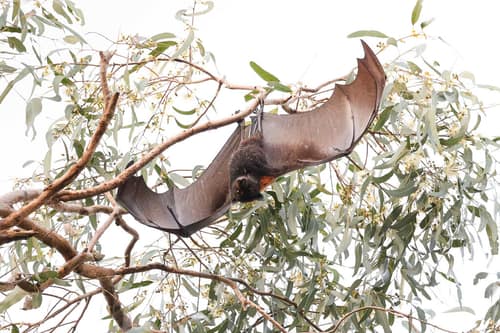
Seed Disperser (c) Ged Tranter, some rights reserved (CC BY), uploaded by Ged Tranter · cc-by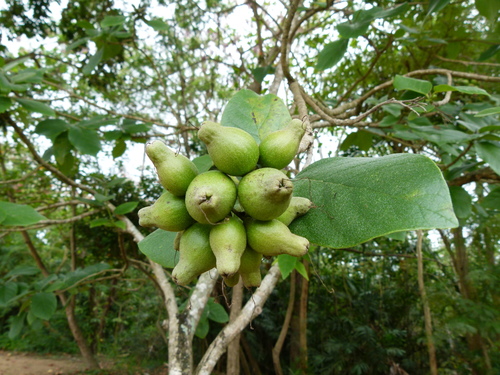
Close Relative (c) botanygirl, some rights reserved (CC BY), uploaded by botanygirl · cc-by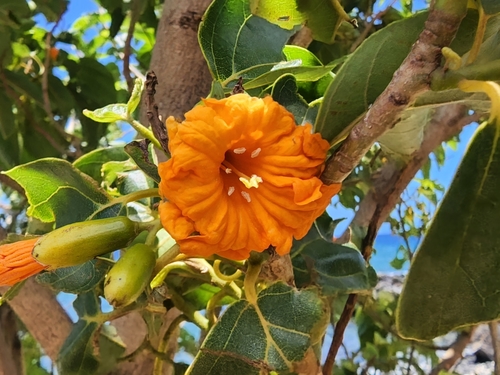
Close Relative (c) Tyler Bishop, some rights reserved (CC BY), uploaded by Tyler Bishop · cc-by
Help improve the field guideSomething wrong?
Checking your Fauna account…Report a name, category, or profile issue for review.