
Plant · GBIF taxon 5341132
Purple Beautyberry
Callicarpa dichotomaAlso known as Early Amethyst, Korean Beautyberry
Purple beautyberry illuminates forest edges and garden borders with arching branches laden in metallic, iridescent violet drupes each autumn. Pinkish-white summer blossoms give way to tightly bunched berry clusters positioned just above the leaf joints, creating an unmistakable stepped silhouette. These vibrant fruits persist well into winter, serving as a critical late-season fuel reserve for overwintering songbirds after the foliage drops.
DeciduousBerry-bearingOrnamental
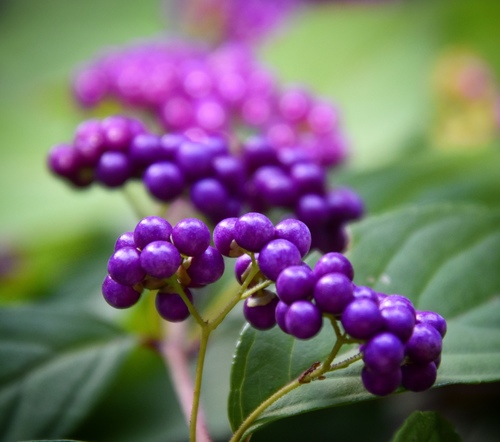
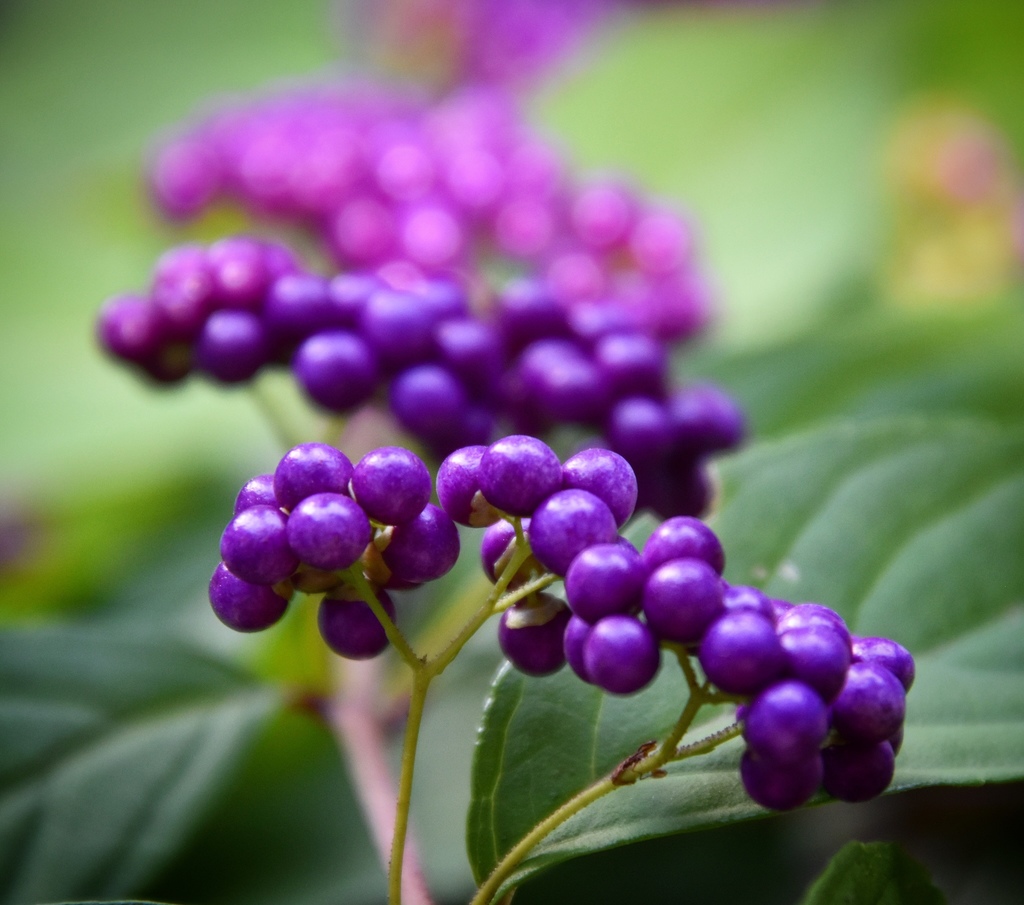
Licensed reference(c) llevin, some rights reserved (CC BY), uploaded by llevin · cc-by
—observations
—countries
—peak records
Least ConcernConservation statusIUCN Red List categoriesLCNTVUENCREWEXLeast ConcernRed List categories, explained →
Diet & prey
- Photoautotrophic (synthesizes energy via sunlight, water, and minerals)
Predators
- Songbirds
- White-tailed Deer
- Small Rodents
ThreatsHabitat clearance, severe winter freezes, and unmanaged invasive shrubs
HabitatsDeciduous forest margins, open valleys, stream banks, and cultivated gardens
Life span15–30 years
Classification
- OrderLamiales
- FamilyLamiaceae
- GenusCallicarpa
- SpeciesCallicarpa dichotoma
Range data is not available yet.
Interaction riskLow
- Low
- Moderate
- High
- Very high
- Why interaction risk is low
- Wild berries have toxic look-alikes; never eat based on app identification alone.
Responsible observation
- Pruning: Cut back stems close to the ground in early spring, as flowers and fruit develop exclusively on new wood.
- Wildlife Viewing: Watch the bare branches during late autumn when flocks of thrushes and finches visit for berries.
- Garden Placement: Position in full sun to light shade in well-drained soil for the densest fruit production.
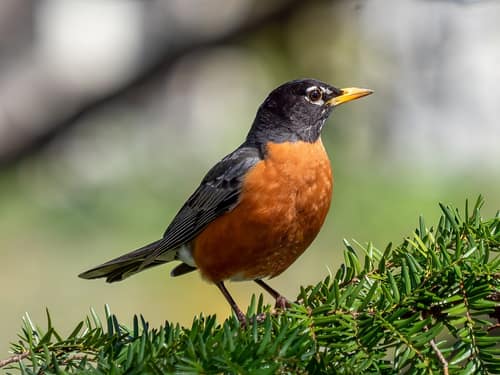
Seed Disperser Rhododendrites / CC BY-SA 4.0 · cc-by-sa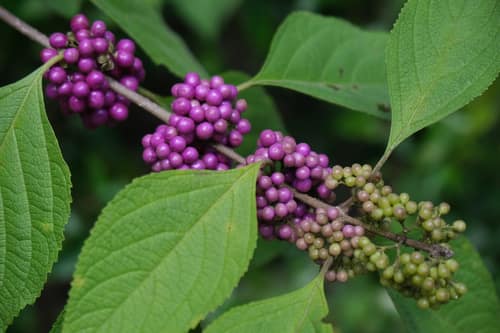
Close Relative (c) Alex Abair, some rights reserved (CC BY), uploaded by Alex Abair · cc-by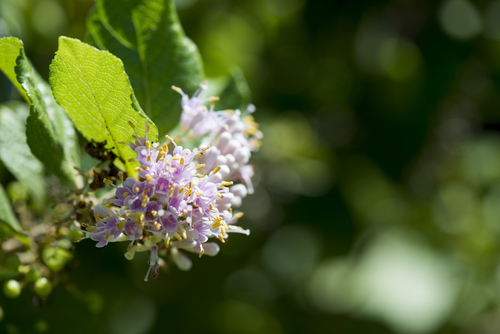
Close Relative (c) Licheng Shih, some rights reserved (CC BY), uploaded by Licheng Shih · cc-by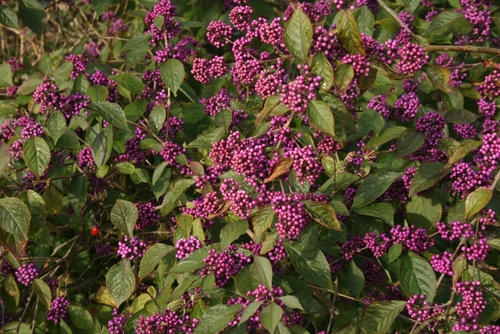
Close Relative (c) Sten Porse, some rights reserved (CC BY-SA) · cc-by-sa
Help improve the field guideSomething wrong?
Checking your Fauna account…Report a name, category, or profile issue for review.