
Flower
Turkey Tangle Frogfruit
Phyla nodifloraAlso known as Lippia, Kurapia, Capeweed, Frogfruit
Turkey tangle frogfruit forms dense, low-growing mats of dark green foliage adorned with tiny, lavender-to-white flowers surrounding purple central cones. This hardy perennial thrives in moist or disturbed soils, anchoring itself securely at stem nodes as it spreads across open ground. It serves as a vital host plant for butterfly caterpillars while providing a persistent source of nectar for small bees and pollinators.
Ground CoverFloweringButterfly Host
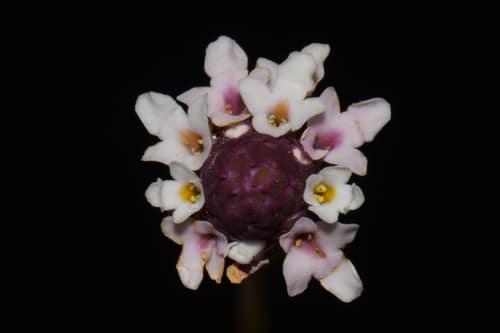
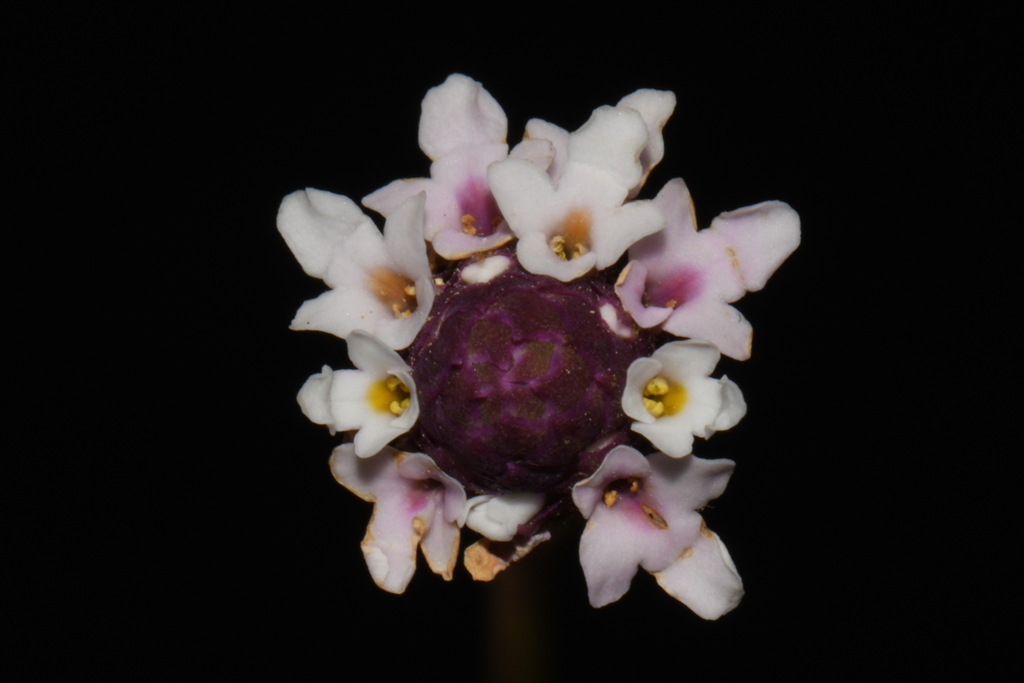
—observations
—countries
—peak records
Least ConcernConservation statusIUCN Red List categoriesLCNTVUENCREWEXLeast ConcernRed List categories, explained →
Diet & preyAutotrophic (Photosynthetic)
Predators
- Caterpillars
- Grazing Livestock
- Herbivorous Insects
ThreatsHerbicides and aggressive turf grass management
HabitatsLawns, pastures, riverbanks, coastal sands, and disturbed ground
Life spanPerennial (5–10+ years)
Classification
- OrderLamiales
- FamilyVerbenaceae
- GenusPhyla
- SpeciesPhyla nodiflora
Range data is not available yet.
Interaction riskLow
- Low
- Moderate
- High
- Very high
- Why interaction risk is low
- Safe to observe at a normal distance.
Responsible observation
- Lawn Alternative: Encourage as a low-water, foot-traffic tolerant ground cover in sunny gardens.
- Butterfly Spotting: Inspect dense patches on warm afternoons to spot feeding and egg-laying butterflies.
- Easy Propagation: Snip rooting stem nodes to quickly establish new plants in bare patches.
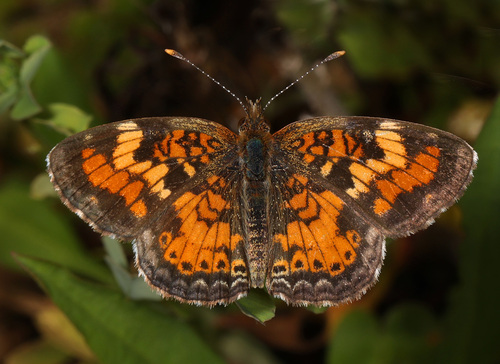
Host Plant User (c) Judy Gallagher, some rights reserved (CC BY) · cc-by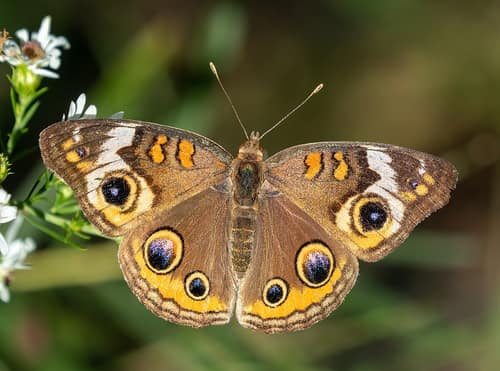
Host Plant User Rhododendrites / CC BY-SA 4.0 · cc-by-sa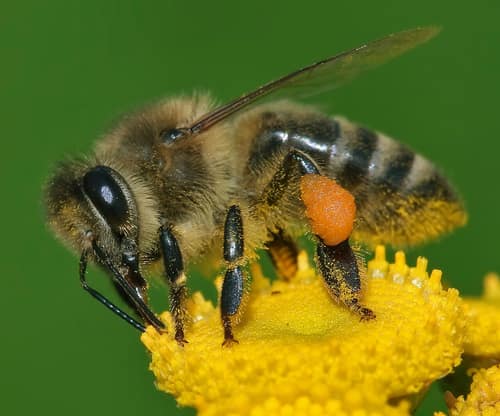
Pollinator Andreas Trepte / CC BY-SA 2.5 · cc-by-sa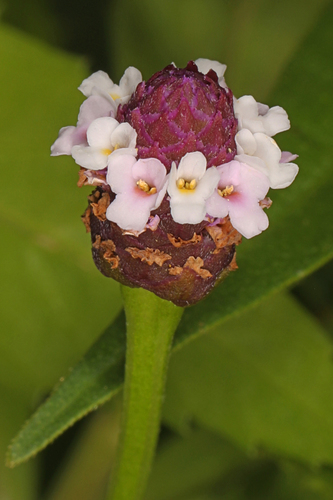
Close Relative (c) Judy Gallagher, some rights reserved (CC BY) · cc-by
Help improve the field guideSomething wrong?
Checking your Fauna account…Report a name, category, or profile issue for review.