
Plant
October Flower
Polygonella polygamaAlso known as October-flower, Polygamous Jointweed, Southern Jointweed
October flower blooms in dense, feathery clouds across dry sands of the southeastern coastal plain late in the season when most other wildflowers have finished. Its slender, jointed stems bear needle-thin leaves that minimize water loss in harsh, sun-baked soils. These prolific white to rose-tinted blossoms provide a vital late-autumn nectar supply for migrating butterflies, wasps, and native bees.
WildflowerDrought-TolerantAutumn-Blooming
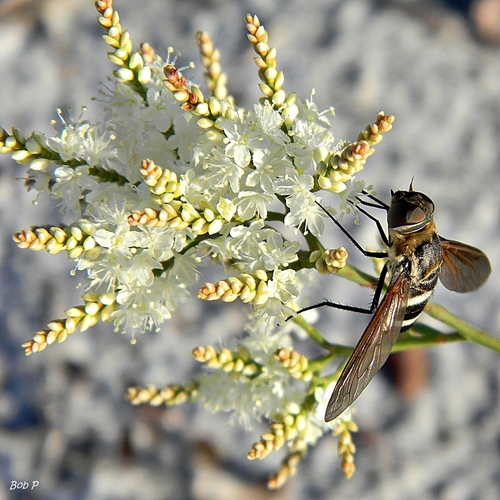
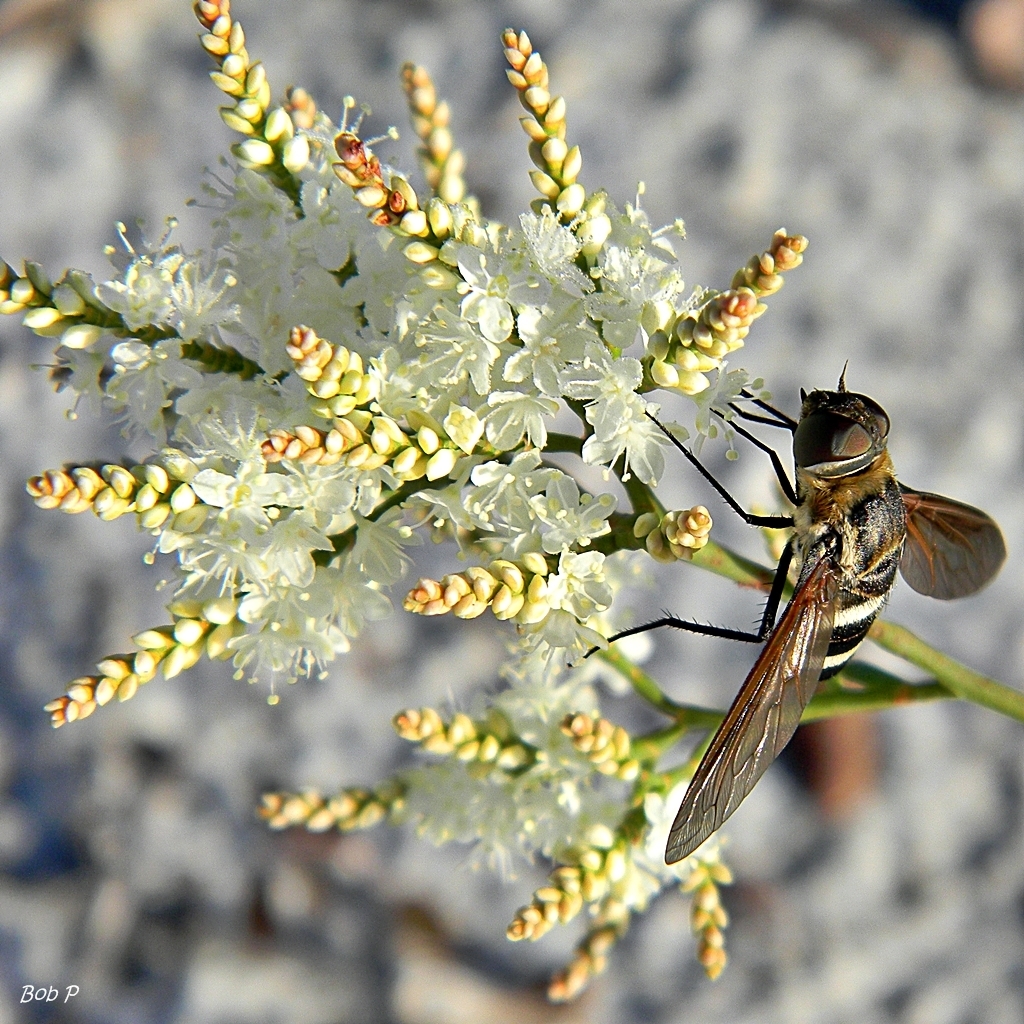
—observations
—countries
—peak records
Not EvaluatedConservation statusIUCN Red List categoriesLCNTVUENCREWEXNot Evaluated — not placed on the risk ladderRed List categories, explained →
Diet & preySunlight, Water, Soil Nutrients
Predators
- White-tailed Deer
- Grasshoppers
ThreatsHabitat loss from coastal development, land conversion, and fire suppression
HabitatsSandhills, scrub, coastal dunes, and open pine flatwoods
Life spanPerennial (typically 3–7 years)
Classification
- FamilyPolygonaceae
- SpeciesPolygonella polygama
Range data is not available yet.
Interaction riskLow
- Low
- Moderate
- High
- Very high
- Why interaction risk is low
- Safe to observe at a normal distance.
Responsible observation
- Best Viewing: Search deep sandhills and open pine savannas from September to November for peak floral displays.
- Footing: Watch your step in delicate dune and scrub habitats to avoid trampling brittle root systems.
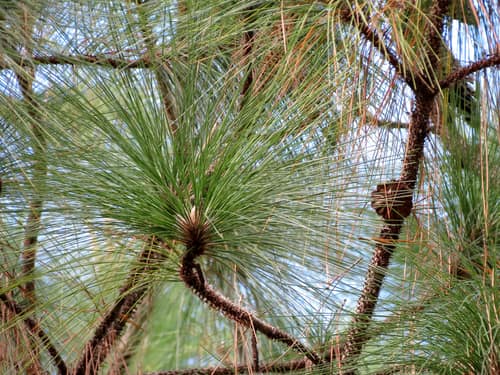
Frequent Companion (c) Katja Schulz, some rights reserved (CC BY) · cc-by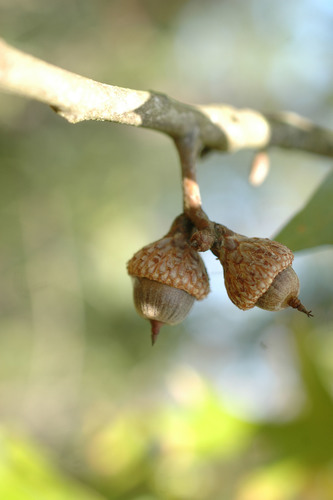
Frequent Companion (c) Bruce Kirchoff, some rights reserved (CC BY) · cc-by
Pollinator (c) Leonel Roget, some rights reserved (CC BY), uploaded by Leonel Roget · cc-by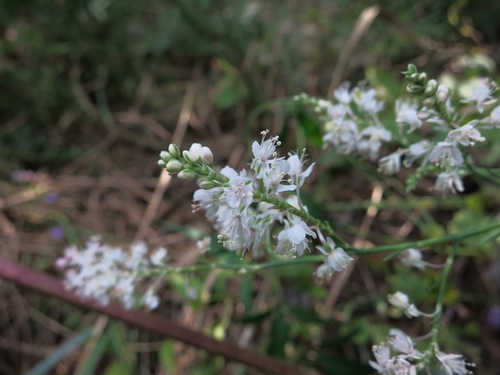
Close Relative (c) Evan M. Raskin, some rights reserved (CC BY), uploaded by Evan M. Raskin · cc-by Image unavailable
Close Relative
Help improve the field guideSomething wrong?
Checking your Fauna account…Report a name, category, or profile issue for review.