
Plant
Sweet Chestnut
Castanea sativaAlso known as Spanish Chestnut, European Chestnut, Marron Tree
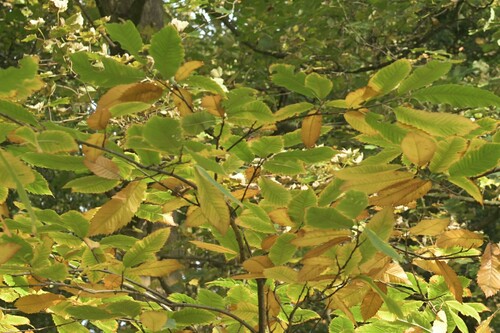
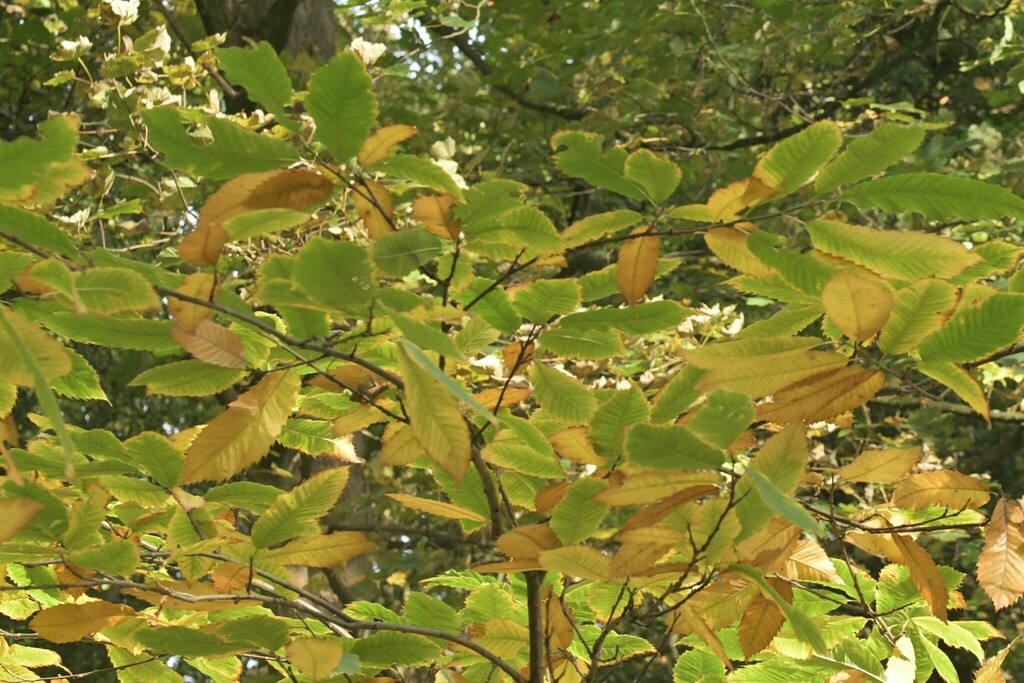
Sweet Chestnut forms massive broad-canopied crowns with deeply fissured, spiral-twisted bark on mature specimens. Long, lance-shaped leaves feature sharp, forward-pointing teeth along their margins and turn rich golden bronze each autumn. Dense clusters of spiny husks shield seeds until ripening in mid-autumn, providing vital seasonal nourishment for woodland mammals and birds.
DeciduousTreeAncient Tree
—observations
—countries
—peak records
Least ConcernConservation statusIUCN Red List categoriesLCNTVUENCREWEXLeast ConcernRed List categories, explained →
Diet & preyAutotrophic (Photosynthesis)
Predators
- Grey Squirrel
- Wild Boar
- Eurasian Jay
ThreatsChestnut blight, ink disease, gall wasp infestations
HabitatsTemperate broadleaf forests, woodlands, parks, orchards
Life span500–1,000+ years
Classification
- OrderFagales
- FamilyFagaceae
- GenusCastanea
- SpeciesCastanea sativa
Range data is not available yet.
Interaction riskLow
- Low
- Moderate
- High
- Very high
- Why interaction risk is low
- Wild nuts have toxic look-alikes like horse chestnuts; never eat wild seeds based on app identification alone.
Responsible observation
- Bark Identification: Look for deep vertical fissures that characteristically spiral around ancient trunks.
- Foliage Inspection: Examine the long leaves to confirm sharply serrated edges shaped like saw teeth.
- Husk Features: Note the dense, needle-sharp spiky outer husks containing developing seeds.
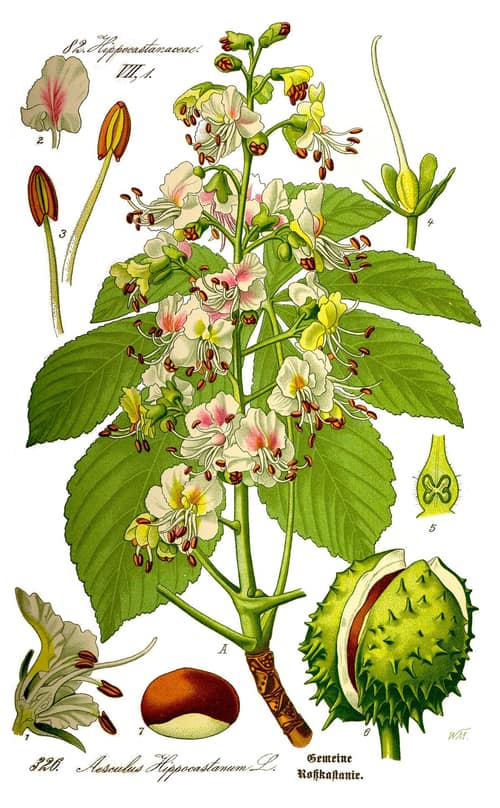
Toxic Look-alike User:Kilom691 / Public domain · cc0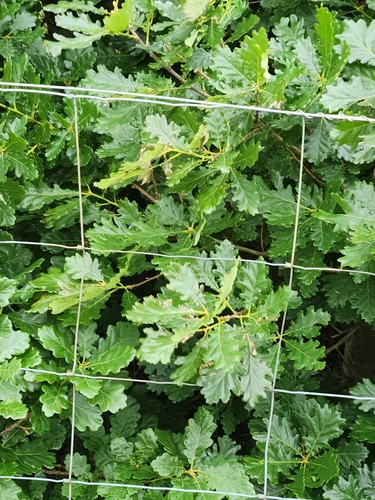
Co-habitant (c) Jo Roberts, some rights reserved (CC BY) · cc-by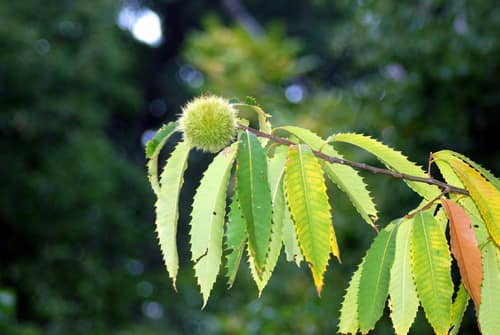
Close Relative (c) Bob MacInnes, some rights reserved (CC BY) · cc-by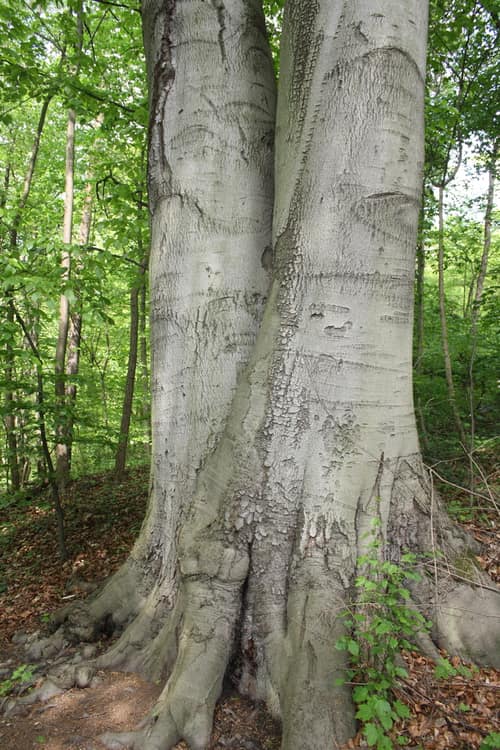
Family Member (c) Daniel Linzbauer, some rights reserved (CC BY), uploaded by Daniel Linzbauer · cc-by
Help improve the field guideSomething wrong?
Checking your Fauna account…Report a name, category, or profile issue for review.