
Plant
Chinese Chestnut
Castanea mollissimaAlso known as Tianjin Chestnut
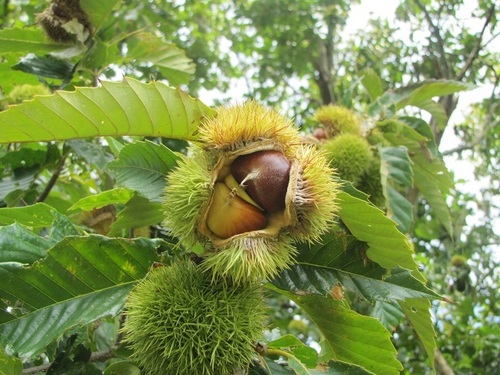
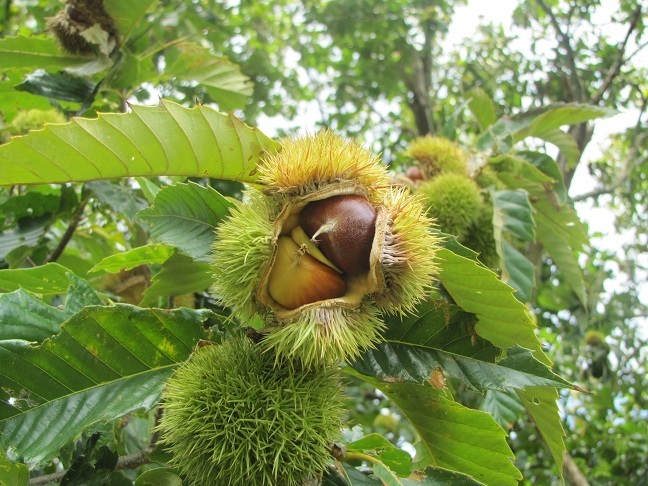
Chinese chestnut trees feature spreading canopies, glossy serrated leaves, and extraordinary resistance to chestnut blight. In late spring, long cream-colored catkins emit a pungent musky aroma that attracts diverse insect pollinators. By mid-autumn, sharp prickly burs split open on the branches to drop rounded mahogany-colored nuts.
DeciduousBlight ResistantNut Bearing
—observations
—countries
—peak records
Least ConcernConservation statusIUCN Red List categoriesLCNTVUENCREWEXLeast ConcernRed List categories, explained →
Diet & preySunlight, Water, Soil Nutrients
Predators
- Squirrels
- White-Tailed Deer
- Blue Jays
ThreatsHabitat loss, oriental chestnut gall wasp, phytophthora root rot
HabitatsTemperate forests, orchards, mixed woodlands, hillsides
Life span100–300 years
Classification
- OrderFagales
- FamilyFagaceae
- GenusCastanea
- SpeciesCastanea mollissima
Range data is not available yet.
Interaction riskLow
- Low
- Moderate
- High
- Very high
- Why interaction risk is low
- Wild nuts have toxic look-alikes like horse chestnuts; never eat wild forage based on app identification alone.
Responsible observation
- Observe Burs: Look for dense, spiky burs along twigs from late summer through autumn.
- Examine Leaf Margins: Check leaf teeth, which are shorter and more rounded than American chestnut teeth.
- Watch for Pollinators: Visit blooming trees in early summer to spot beetles and bees visiting catkins.
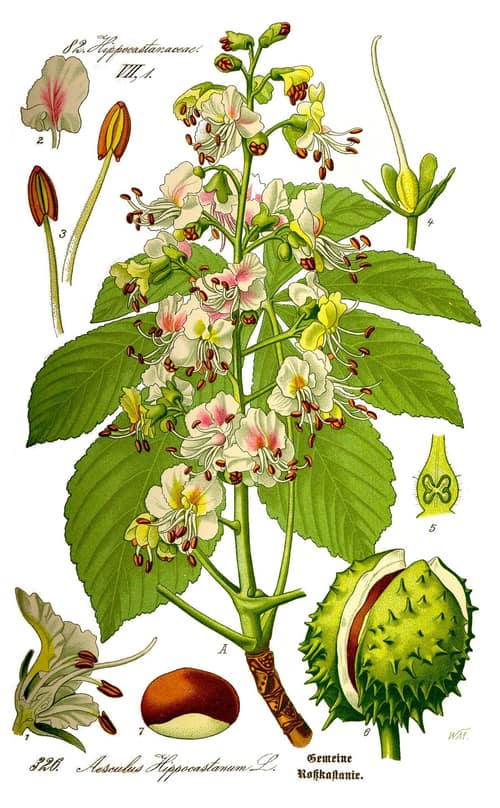
Toxic Look-Alike User:Kilom691 / Public domain · cc0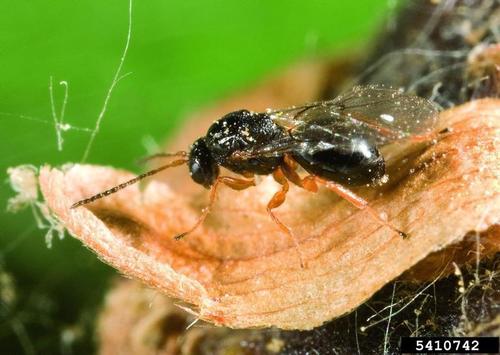
Parasite (c) Gyorgy Csoka, Hungary Forest Research Institute, Bugwood.org, some rights reserved (CC BY) · cc-by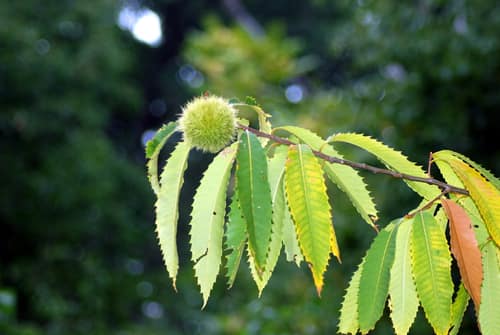
Close Relative (c) Bob MacInnes, some rights reserved (CC BY) · cc-by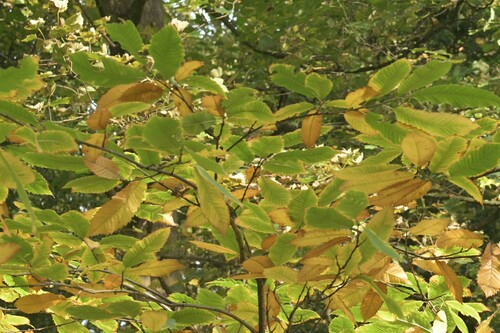
Close Relative no rights reserved · cc0
Help improve the field guideSomething wrong?
Checking your Fauna account…Report a name, category, or profile issue for review.