
Plant · GBIF taxon 5332004
Dwarf Birch
Betula nanaAlso known as Bog Birch, Arctic Dwarf Birch
Dwarf birches form dense, low-growing mats across high-latitude tundras and acidic peat bogs where few other woody plants can survive. Their orbicular, notched leaves turn brilliant shades of crimson and orange each autumn, painting vast Arctic landscapes in vivid color. Adapted to severe winds and deep cold, these hardy shrubs rely on wind pollination to release small, winged nutlets late in the brief northern summer.
ArcticShrubTundra
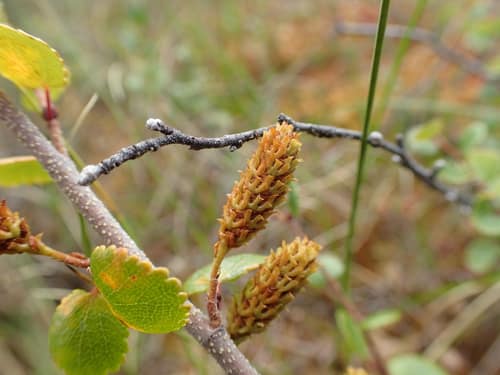
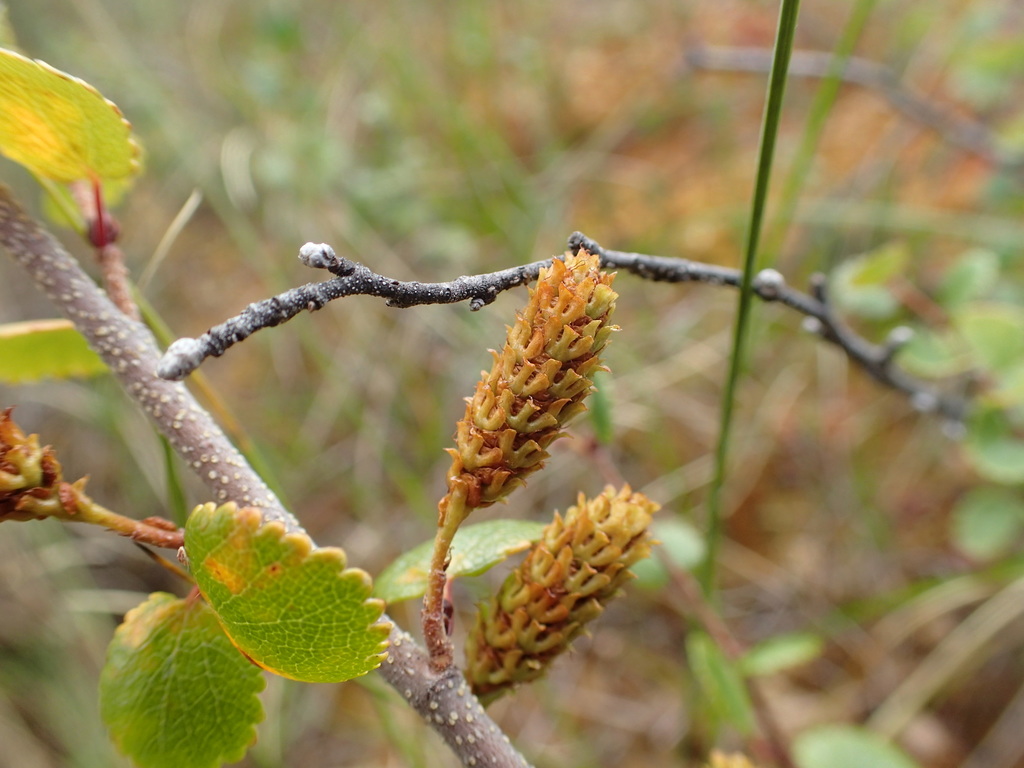 1 / 7
1 / 7—observations
—countries
—peak records
Least ConcernConservation statusIUCN Red List categoriesLCNTVUENCREWEXLeast ConcernRed List categories, explained →
Diet & prey
- Autotrophic (Photosynthesis)
Predators
- Reindeer
- Rock Ptarmigan
- Microtus Voles
ThreatsClimate change, encroachment by taller shrubs, habitat loss from peat degradation
HabitatsArctic tundra, subalpine heathlands, acidic bogs, permafrost peatlands
Life span50–100 years
Size / weightNot available
Classification
- FamilyBetulaceae
- SpeciesBetula nana
Range data is not available yet.
Interaction riskLow
- Low
- Moderate
- High
- Very high
- Why interaction risk is low
- Safe to observe at a normal distance.
Responsible observation
- Observation: Look closely at the small, rounded leaves with distinctive scalloped edges.
- Habitat Etiquette: Stick to established trails when visiting fragile tundra and bog ecosystems.
- Seasonal Viewing: Visit in early autumn to see entire hillsides carpeted in bright red leaves.
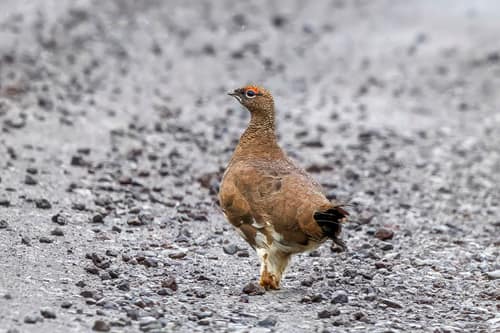
Herbivore Charles J. Sharp / CC BY-SA 4.0 · cc-by-sa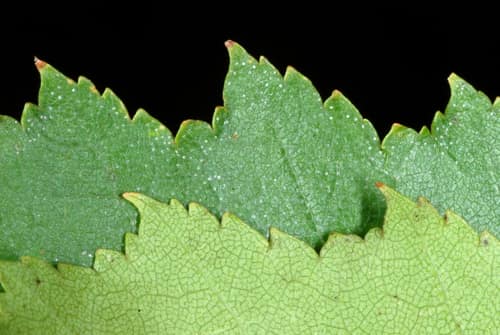
Close Relative (c) Douglas Goldman, some rights reserved (CC BY-SA), uploaded by Douglas Goldman · cc-by-sa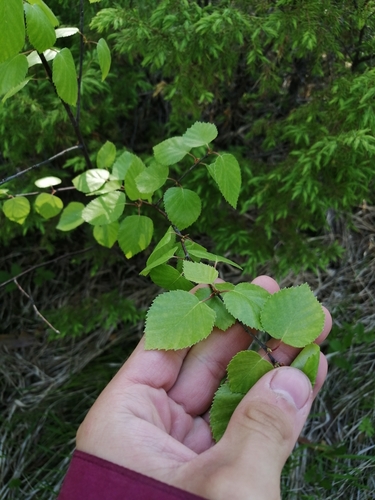
Close Relative (c) Roman A. Lagazyuk (Роман А. Лагазюк), some rights reserved (CC BY) · cc-by
Help improve the field guideSomething wrong?
Checking your Fauna account…Report a name, category, or profile issue for review.