
Plant
Silver Birch
Betula pendulaAlso known as Warty Birch, European White Birch, Weeping Birch
Silver birches act as vital pioneer trees, colonizing bare ground rapidly thanks to lightweight seeds that drift on the wind and germinate in direct sunlight. Peeling paper-white bark reflects intense ultraviolet radiation and protects living tissue from extreme temperature swings during harsh northern winters. By supporting hundreds of insect species and providing rich seed supplies for winter finches, these slender trees anchor biodiversity across regenerating woodlands.
DeciduousPioneer SpeciesWind-Pollinated
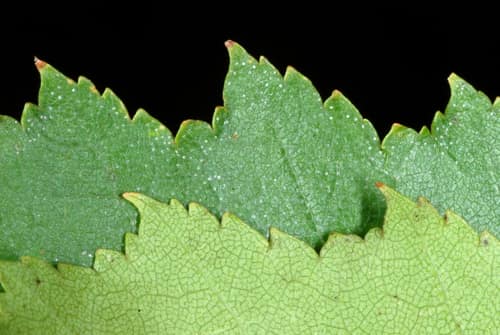
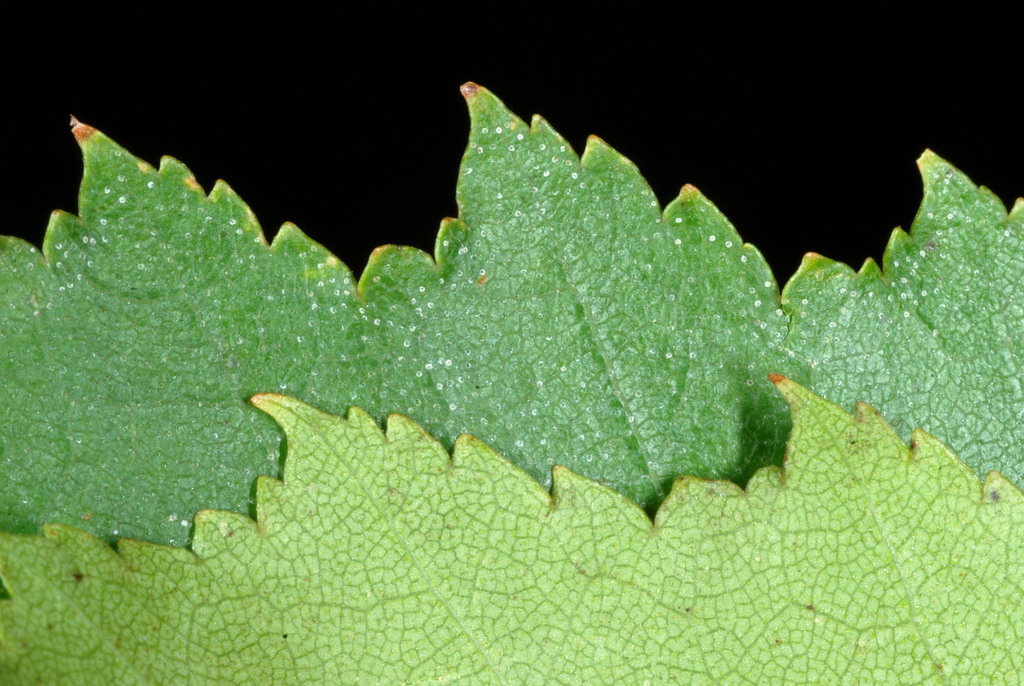
—observations
—countries
—peak records
Least ConcernConservation statusIUCN Red List categoriesLCNTVUENCREWEXLeast ConcernRed List categories, explained →
Diet & preySunlight, Water, Soil minerals
Predators
- Bronze birch borer
- Roe deer
- Birch polypore
ThreatsBronze birch borer infestations, severe summer droughts, and fungal pathogens
HabitatsHeaths, open woodlands, peat bogs, disturbed ground, and montane forests
Life span60–100 years
Classification
- OrderFagales
- FamilyBetulaceae
- GenusBetula
- SpeciesBetula pendula
Range data is not available yet.
Interaction riskLow
- Low
- Moderate
- High
- Very high
- Why interaction risk is low
- Produces profuse airborne pollen in spring; sensitive individuals should observe from upwind and check pollen counts.
- Why it is dangerous
- Pollen contains the major aeroallergen Bet v 1, which causes severe allergic rhinitis, asthma spikes, and cross-reactive food sensitivities.
- How to recognize a risky encounter
- Drooping catkins shedding fine yellow dust from pendulous branch tips during early spring.
- What to do
- Check pollen forecasts before visiting birch groves in spring and keep distance if allergic.
Responsible observation
- Bark Examination: Look for diamond-shaped black fissures forming near the base of the stark white trunk.
- Branch Texture: Feel the delicate, pendulous twigs to detect tiny resinous warts unique to this birch.
- Spring Foraging Cues: Note the dangling yellow-brown male catkins that release abundant pollen before leaves fully unfurl.
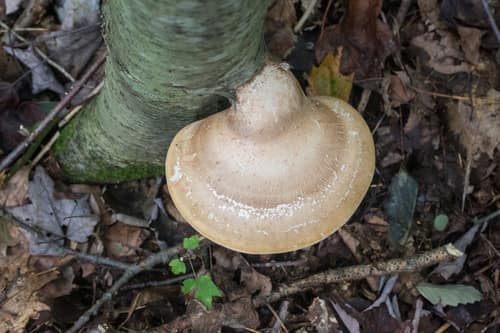
Specialized Parasite (c) Richard Jacob, some rights reserved (CC BY), uploaded by Richard Jacob · cc-by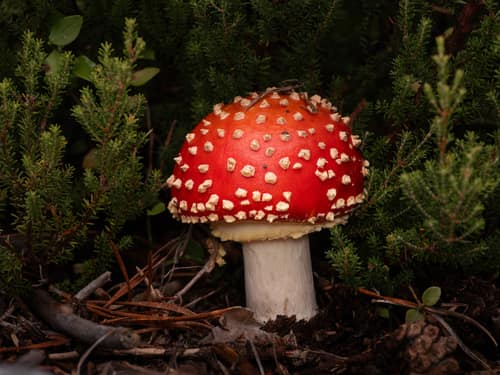
Mycorrhizal Partner (c) Borja Fierro, some rights reserved (CC BY), uploaded by Borja Fierro · cc-by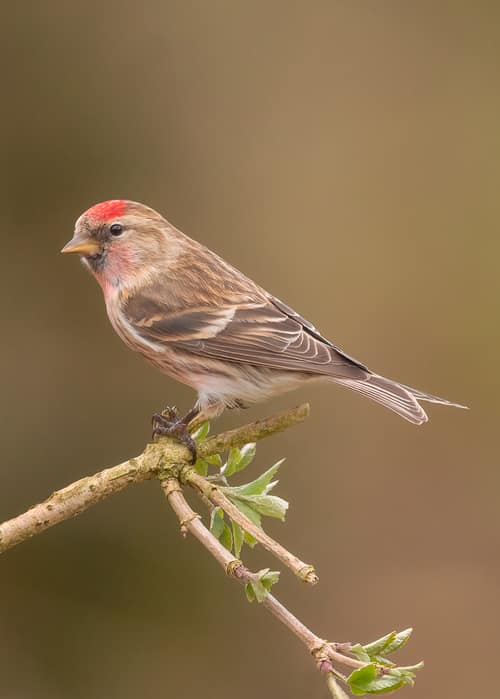
Seed Disperser (c) caroline legg, some rights reserved (CC BY) · cc-by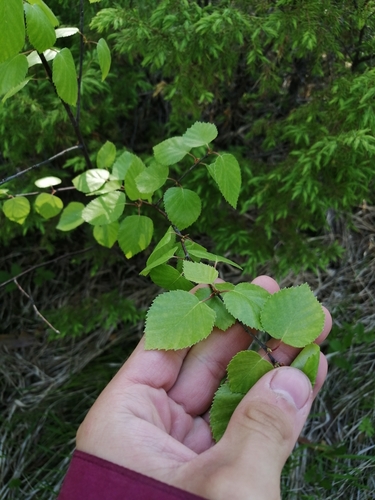
Close Relative (c) Roman A. Lagazyuk (Роман А. Лагазюк), some rights reserved (CC BY) · cc-by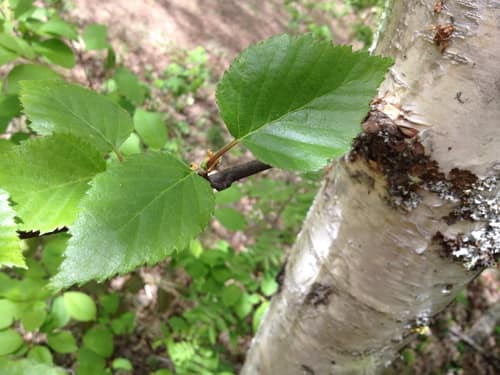
Close Relative no rights reserved, uploaded by Dezene Huber · cc0
Help improve the field guideSomething wrong?
Checking your Fauna account…Report a name, category, or profile issue for review.